What Is Molasses? Fancy, Cooking, and Blackstrap Explained
Molasses shows up in everything from gingerbread and baked beans to barbecue sauces, brown bread, and old-fashioned oatmeal. Depending on the type, the flavor can range from sweet and mellow to dark, smoky, and surprisingly bitter.
Fancy molasses, cooking molasses, and blackstrap molasses all have different flavors and are used differently in baking and cooking. Molasses tastes deep, caramelized, slightly smoky, and bittersweet, with darker molasses becoming stronger and less sweet. That difference matters because many people buy blackstrap molasses expecting the cozy sweetness of gingerbread cookies or oatmeal toppings, only to discover it has a much more robust and bitter flavor.
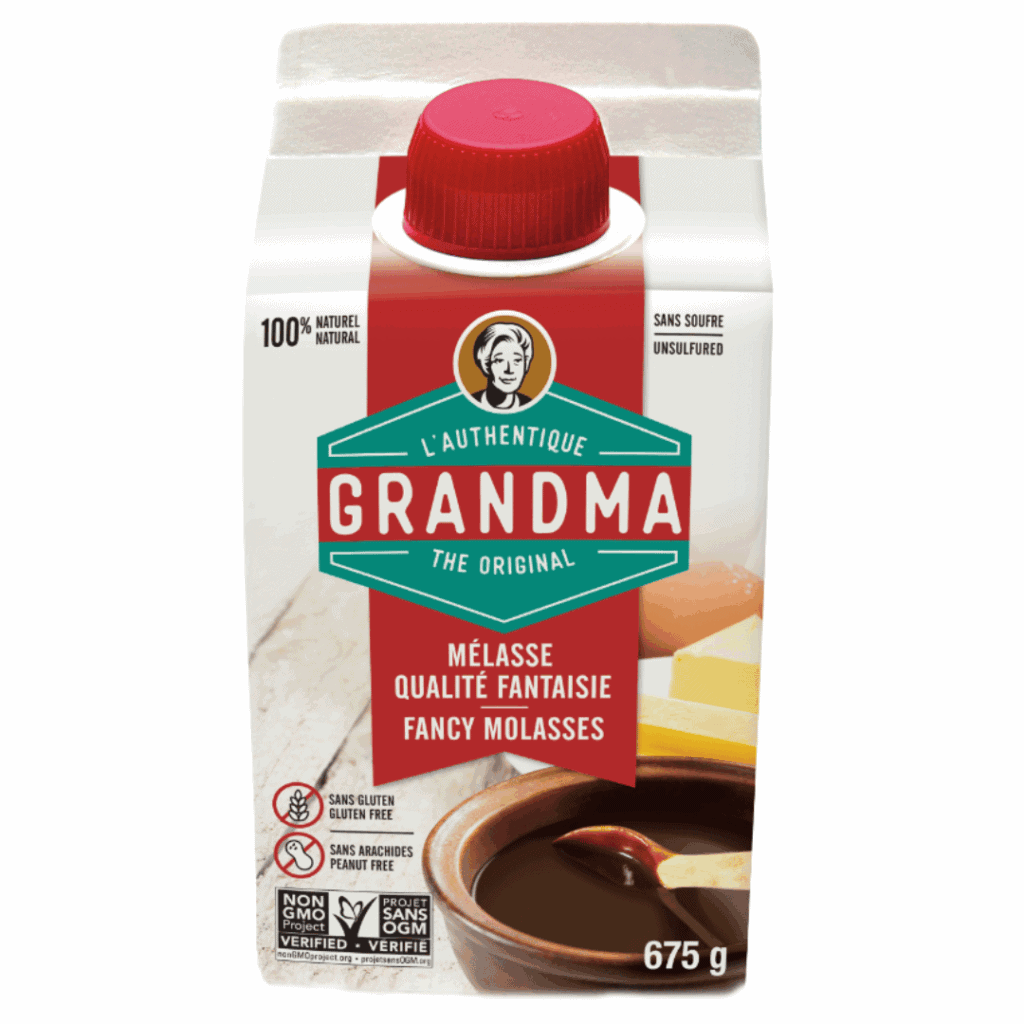
Growing up in Canada, molasses was never just a holiday baking ingredient in our house. While some families mostly reserved molasses for Christmas baking, my mother kept a carton of Grandma Molasses in the cupboard year-round. Looking back, it was likely a carryover from her childhood growing up on a farm in the 1940s where practical pantry staples mattered.
We spread molasses on hot oatmeal and peanut butter sandwiches because honey and maple syrup were more expensive and not always easy to keep around year-round.
Quick Answer
Molasses is a dark syrup made from boiled sugar cane juice during the sugar refining process. Fancy molasses, cooking molasses, and blackstrap molasses each have different levels of sweetness, color, and flavor strength.
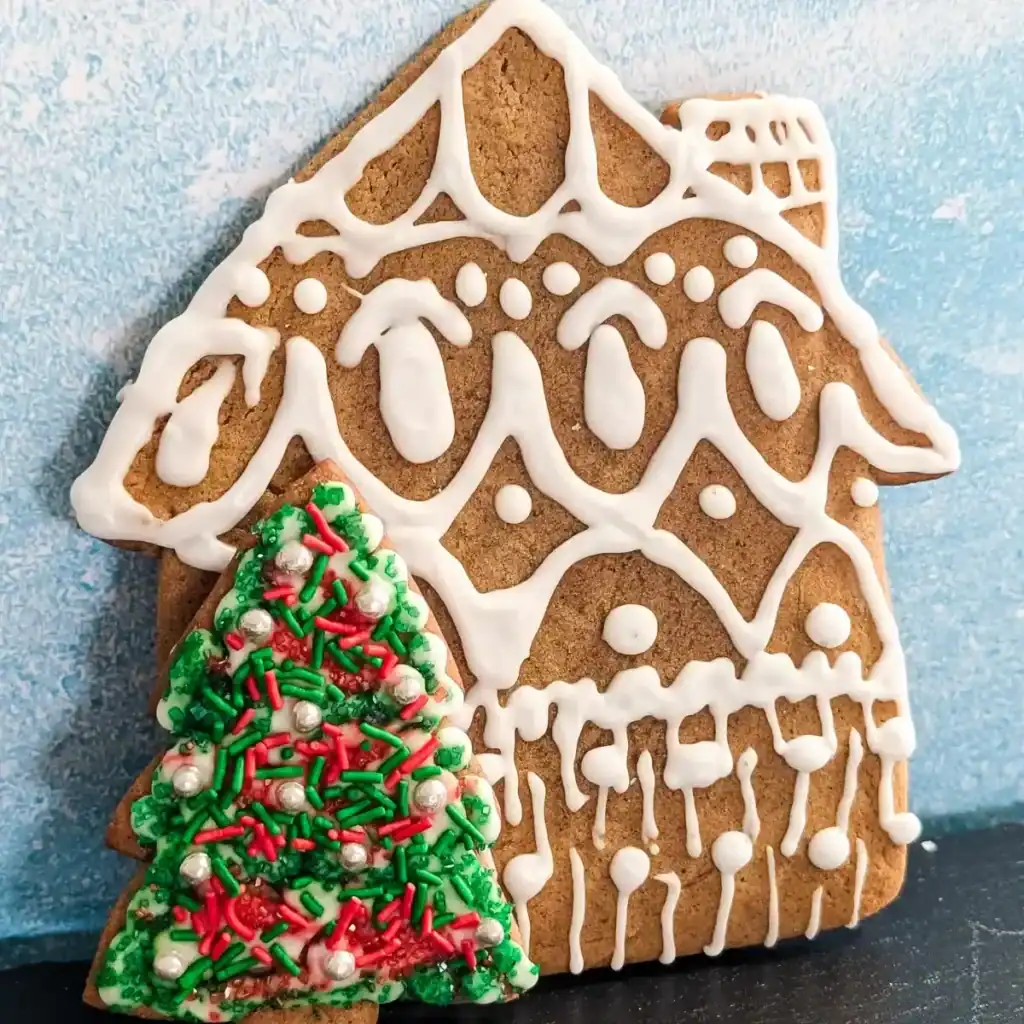
Some of my strongest memories tied to molasses are Christmas gingerbread projects made entirely from paper templates my mother drew by hand because we simply did not have money for expensive molds or kits. Having little money meant learning to invent and create with whatever was available, and those homemade paper templates became one of my first lessons in kitchen creativity. She built decorative hard gingerbread sleighs lined with tinfoil or plastic wrap and filled them with chocolate chips while old felt horses from our Christmas decorations “pulled” them across the side table. That same creativity with paper templates later influenced the gingerbread house patterns I still make today.
What Is Molasses?
Molasses is a thick dark syrup created during the process of refining sugar from sugar cane juice or sugar beets. As the sugar syrup is boiled, sugar crystals are removed, leaving behind darker concentrated syrup with minerals, flavor compounds, and caramelized sugars still intact. Unlike maple syrup, which comes directly from tree sap, molasses is a byproduct of refining sugar.
Molasses has a deep caramelized flavor that ranges from mild sweetness to dark robust bitterness depending on the type.
The more times the syrup is boiled, the darker and less sweet the molasses becomes. This is why light molasses tastes very different from blackstrap molasses even though both come from the same general process.
For generations, molasses was an important pantry staple in North America because it stored well, added sweetness to simple foods, and worked in both sweet and savory recipes.
Types of Molasses
Fancy Molasses
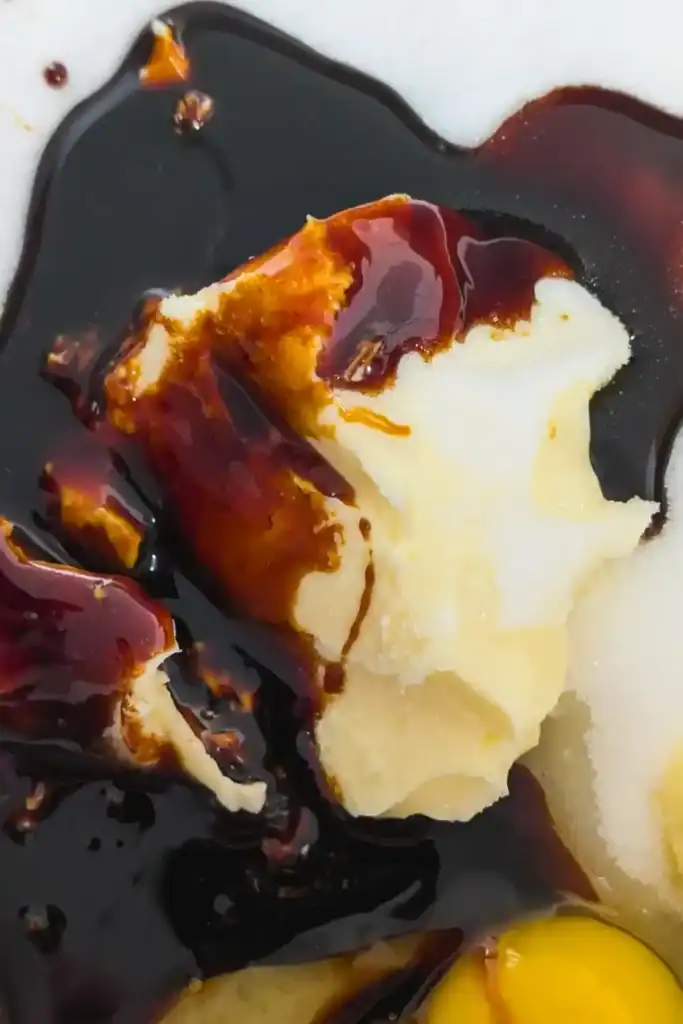
Fancy molasses is the sweetest and mildest type of molasses. It has a smoother flavor and lighter color than darker molasses products, making it common in cookies, cakes, breads, and gingerbread recipes.
This is the molasses flavor many people picture when they think about old-fashioned baking.
Cooking Molasses
Cooking molasses is especially common in Canadian kitchens. It is usually a blend of fancy molasses and blackstrap molasses, giving it a darker color and stronger flavor than fancy molasses alone.
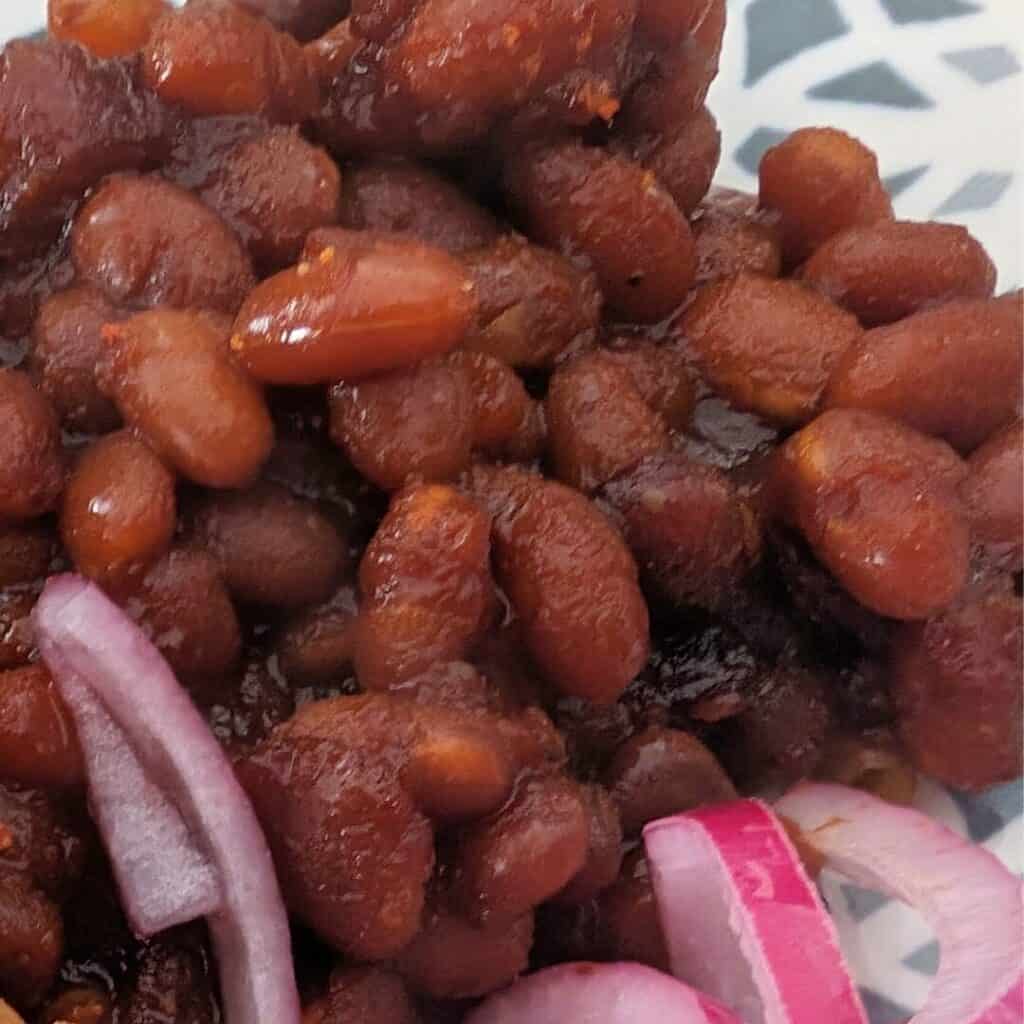
This molasses works well in baked beans, breads, barbecue sauces, gingerbread, and recipes where a more robust molasses flavor is wanted without the full bitterness of blackstrap molasses.
Blackstrap Molasses
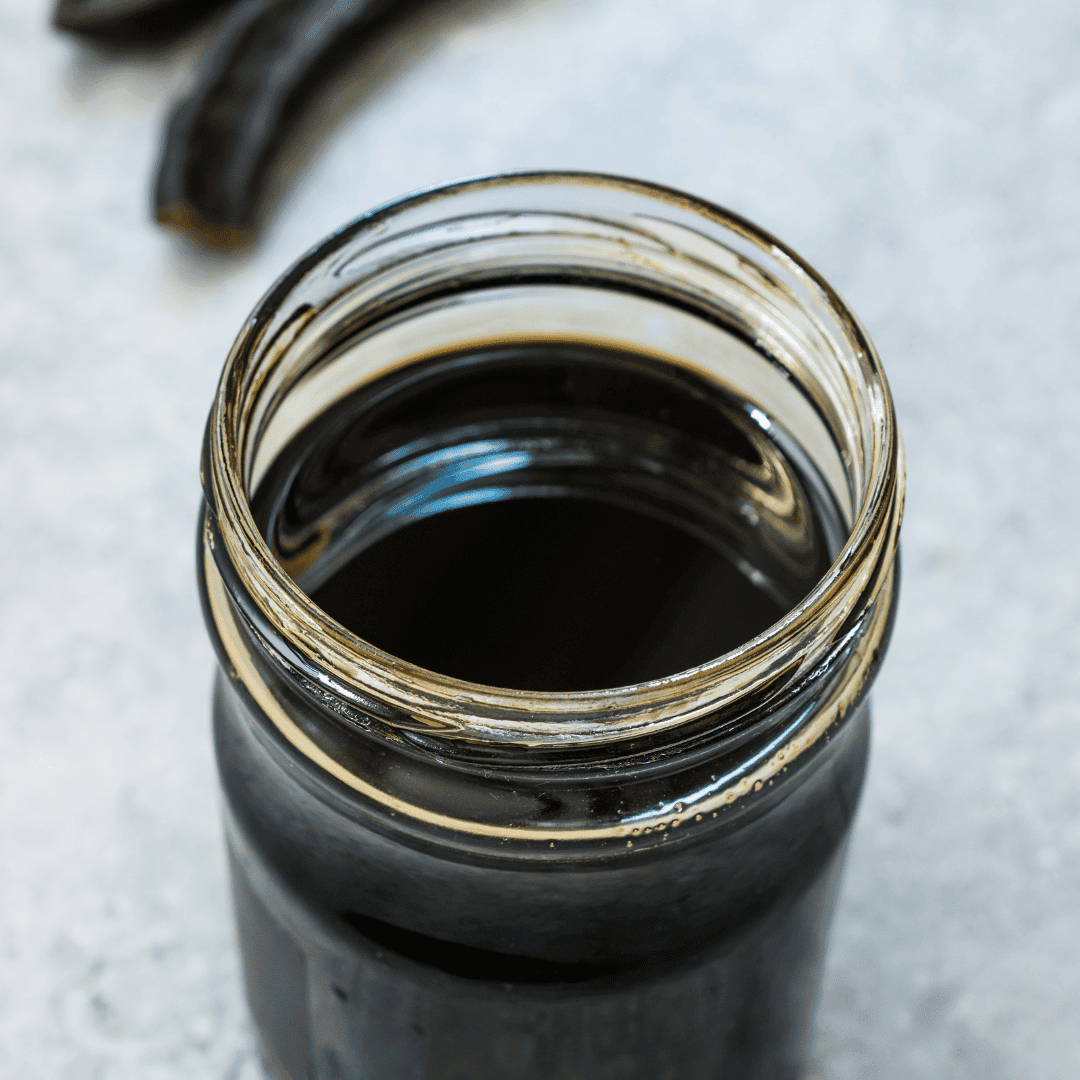
Blackstrap molasses is created during the final boiling stages after much of the sugar has already been removed. The result is a very dark syrup with a thicker texture, stronger flavor, and noticeably less sweetness.
It often has a bittersweet, smoky, mineral-heavy taste that surprises people expecting the sweeter flavor used in gingerbread and baking.
My First Experience With Blackstrap Molasses
Blackstrap molasses sounded exotic to me as a child. The name appeared first in old books my mother read aloud to us by kerosene lantern light while we were living off grid, and somewhere in my imagination I decided it must be even sweeter and richer than the Grandma Molasses carton sitting in our kitchen cupboard. The dramatic name makes blackstrap molasses sound richer or sweeter than regular molasses, but historically it was considered the harsher and less sweet end of the molasses-making process.
I built it up for years without ever actually seeing a jar in a regular grocery store.
In smaller Canadian grocery stores growing up, fancy and cooking molasses were common, but blackstrap molasses was much harder to find.
By the time I finally found blackstrap molasses as a young woman, I brought it home genuinely excited to taste this mysterious dark syrup I had imagined for so long.
I opened the jar, dipped in a finger, and immediately realized I had made a terrible mistake.
It was not warm gingerbread sweetness.
It was bitter, smoky, almost burnt tasting, with a heavy mineral flavor completely different from the molasses I grew up eating on oatmeal and peanut butter sandwiches.
Years later, once I understood that blackstrap molasses comes from repeated boiling after much of the sugar has already been removed, the flavor finally made sense.
Why Molasses Became a Pantry Staple
Molasses was especially practical in older kitchens because it could sit in the cupboard for long periods without spoiling, unlike some fresh sweeteners or seasonal syrups. Molasses lasted well, added sweetness to inexpensive foods, and could stretch simple meals through long winters and tight grocery budgets. In many homes, especially farmhouse kitchens, ingredients needed to earn their place on the shelf. People use molasses to add moisture, sweetness, dark color, and deep flavor to baked goods and savory recipes.
Molasses worked in:
- oatmeal and porridge
- breads
- baked beans
- barbecue sauces
- gingerbread
- cookies
- peanut butter sandwiches
Because molasses has a long shelf life, unopened jars or cartons keep for a very long time when stored in a cool dry place.
Why I Always Keep a Carton of Molasses in My Cupboard
Molasses is one of those ingredients that quietly finds its way into more recipes than people expect. Even when I am not actively baking gingerbread, I still keep a carton in the cupboard because it works in both savory and sweet cooking.
Molasses is one of those ingredients that quietly earns permanent space in my cupboard. Even when I am not actively baking gingerbread, I still reach for it throughout the year because it adds depth to both sweet and savory cooking in a way few other pantry ingredients do. I love how it works in my old-fashioned raisin bran muffins.
In Canada, molasses still commonly comes packaged in familiar cartons like Grandma Molasses or Crosby’s. Those cartons have sat in baking cupboards for generations beside brown sugar, flour, and corn syrup, especially in homes where molasses was used for far more than holiday baking.
Grandma Molasses later became part of the Crosby Foods family of molasses brands and is sold primarily in Quebec as a fancy molasses rather than a blackstrap molasses. That sweeter style of molasses is the flavor many Canadians associate with gingerbread, oatmeal, and old-fashioned baking.
Common Beginner Mistakes With Molasses
- Assuming all molasses tastes the same:
Fancy molasses, cooking molasses, and blackstrap molasses all have very different flavor strengths. Blackstrap molasses is far less sweet and much more bitter than regular baking molasses. - Using blackstrap molasses one-for-one in baking:
Many older gingerbread and cookie recipes were written with fancy or cooking molasses in mind, not pure blackstrap molasses. - Expecting molasses to taste like maple syrup:
Molasses and maple syrup are both dark sweeteners, but molasses has a much deeper caramelized flavor while maple syrup tastes lighter and more delicate.
Does Molasses Go Bad?
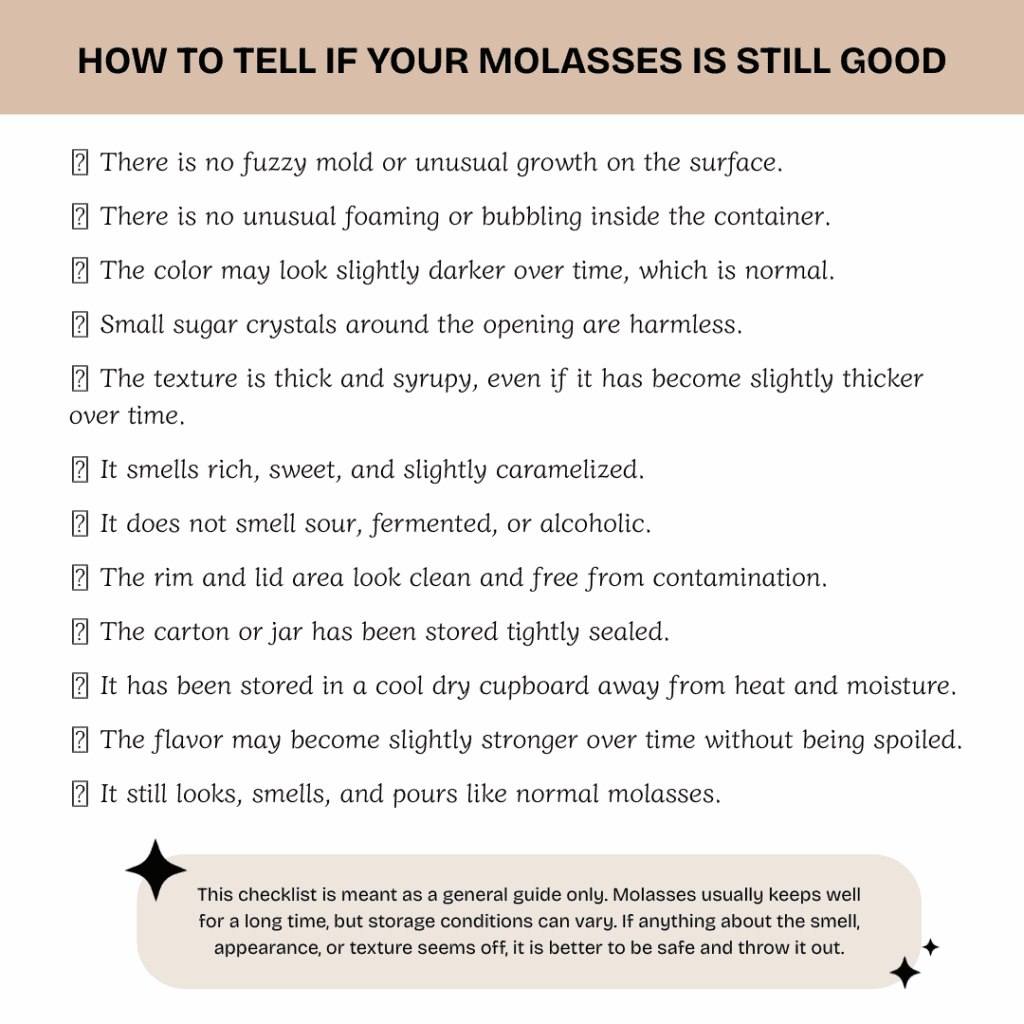
Molasses has a very long shelf life because of its high sugar content. An unopened carton or jar can last for years when stored properly.
Once opened, molasses still keeps well for a surprisingly long time if the container is sealed tightly and stored properly. Many people use an opened carton for months without issues, although the flavor may slowly become stronger and the texture thicker over time.
Over time, molasses may thicken slightly or develop stronger flavor notes, but it usually remains usable far longer than many other baking ingredients. Store molasses tightly sealed in a cool dry place.
Molasses should still smell rich and slightly sweet. If it develops an unusual smell, visible mold, or obvious fermentation, it should be discarded.
FAQ