How to Build a Family Pantry at Home on a Budget
When you’re starting a pantry from scratch, it can feel like you need to buy everything all at once. I went through this myself when I got married young and had to build my kitchen from the ground up. Most people start with very little, and the key is learning how to build a family pantry at home on a budget without overwhelming your grocery bill.
I’ve been in the kitchen for over 40 years, so this isn’t a theoretical list—it’s based on what actually gets used day to day in a real home kitchen.
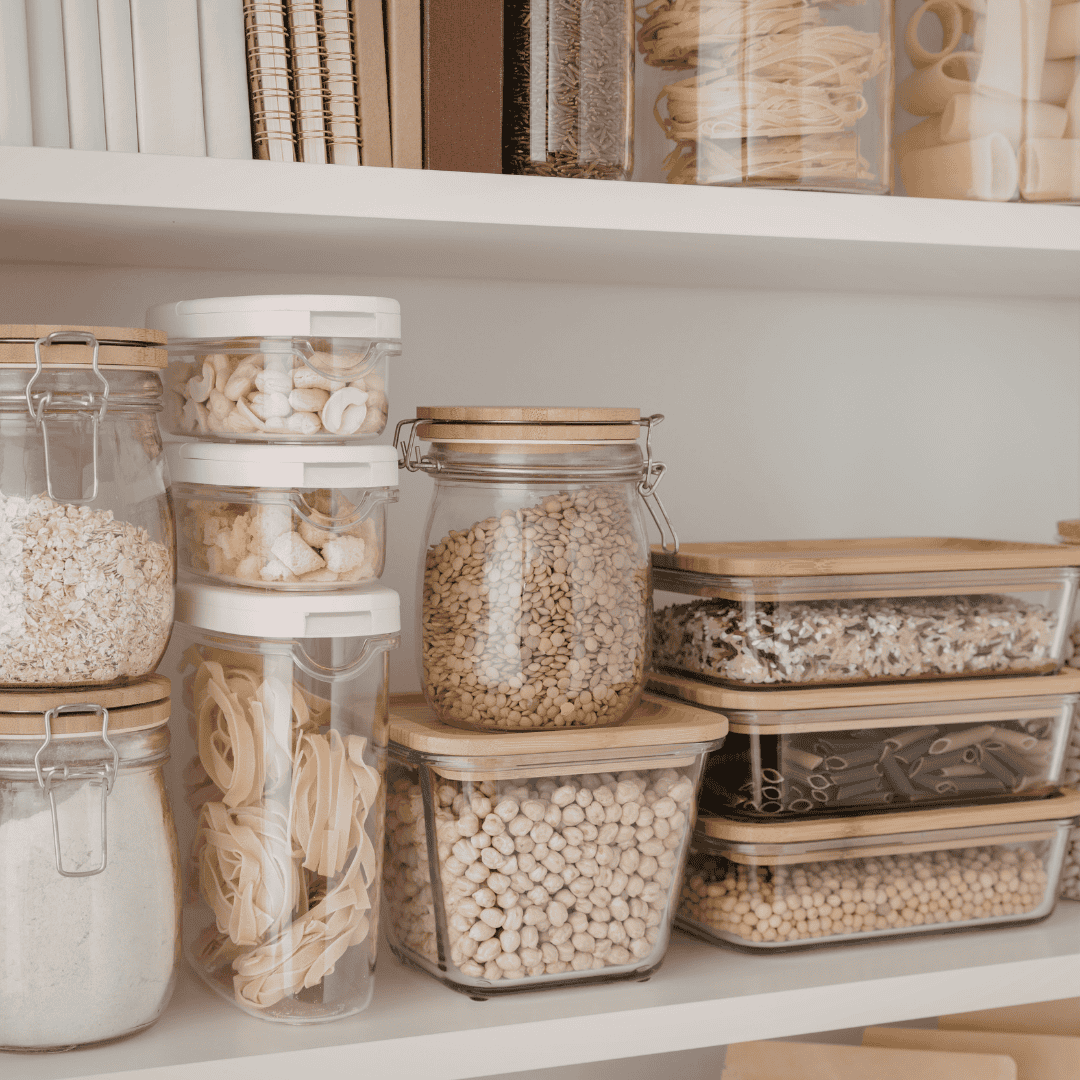
Building a family pantry at home on a budget starts with focusing on what you’ll actually use and adding to it over time instead of trying to stock everything at once. If you’re not sure where to start, building a simple family pantry at home can make everyday cooking much easier.
This guide focuses on building a pantry at home for everyday cooking and baking.
Basic Family Pantry List (Start Here, Then Build)
If you’re building a family pantry at home on a budget, the easiest way to approach it is in stages. Start with the basics, then add more as you go.
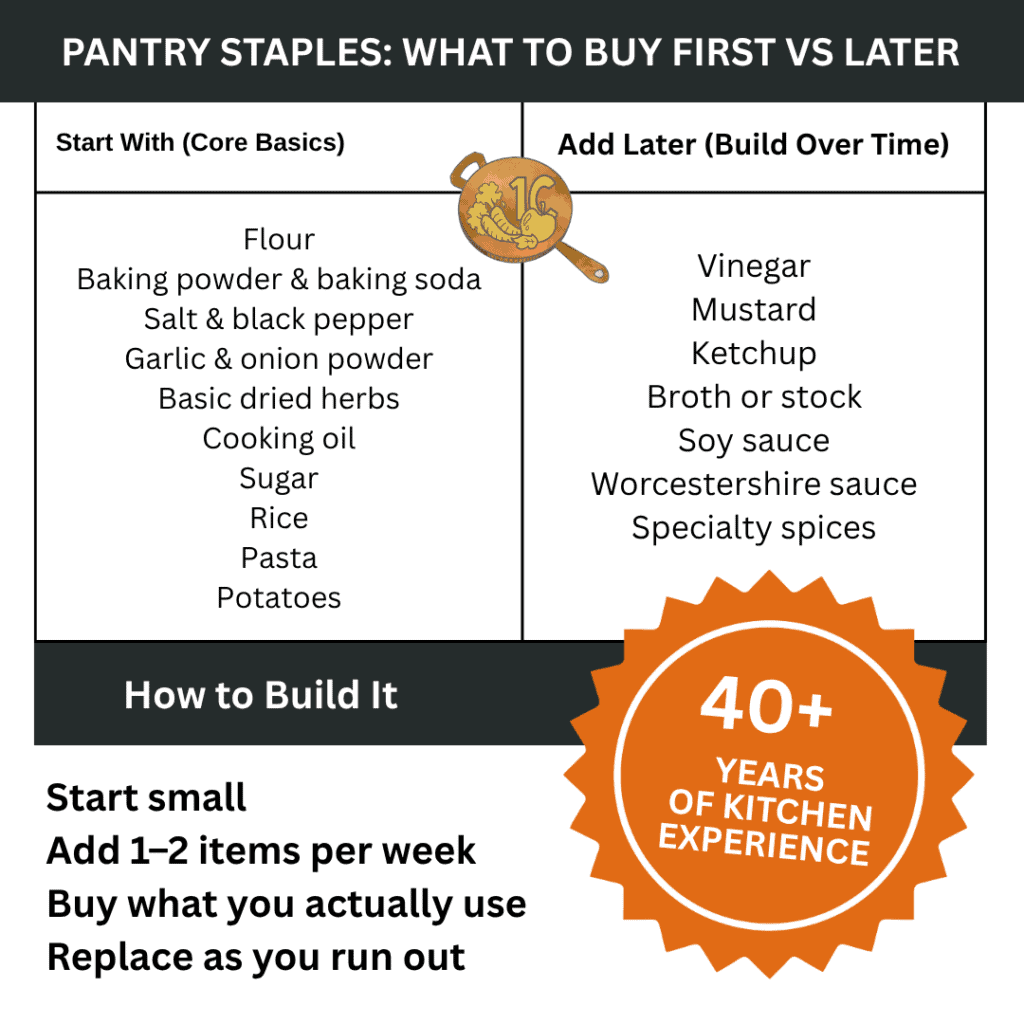
Core Pantry Staples (Start With These)
These are the most important ingredients to have on hand. They’re used often, store well, and form the base of most cooking and baking.
- Flour
- Baking powder
- Baking soda
- Salt
- Black pepper
- Garlic powder
- Onion powder
- Basic dried herbs (oregano, basil, thyme)
- Cooking oil (vegetable, canola, or sunflower)
- Sugar
- Rice
- Pasta
- Potatoes
Second-Tier Staples (Add as You Build)
Once your core pantry is set up, you can start adding ingredients that expand what you’re able to cook without needing a full grocery shop every time.
- Vinegar (white or apple cider)
- Mustard
- Ketchup
- Broth or stock (optional)
Optional Flavor Add-Ons (Based on What You Like to Cook)
These are useful, but not essential when you’re just starting out. Add them over time depending on your cooking style.
- Soy sauce
- Worcestershire sauce
- Specialty spices or blends
Once you know what to buy, the next question is usually how much it will cost.
What to Expect Cost-Wise
When building a family pantry at home on a budget, most of the core staples are relatively inexpensive and last a long time. Items like flour, rice, pasta, and basic spices tend to stretch across multiple meals, which helps keep overall grocery costs down.
Oils and certain ingredients may cost more upfront, but because they’re used over time, they still fit well within a budget-friendly pantry.
If you’re starting from scratch, begin with flour, salt, oil, and a few basic spices, then build from there.
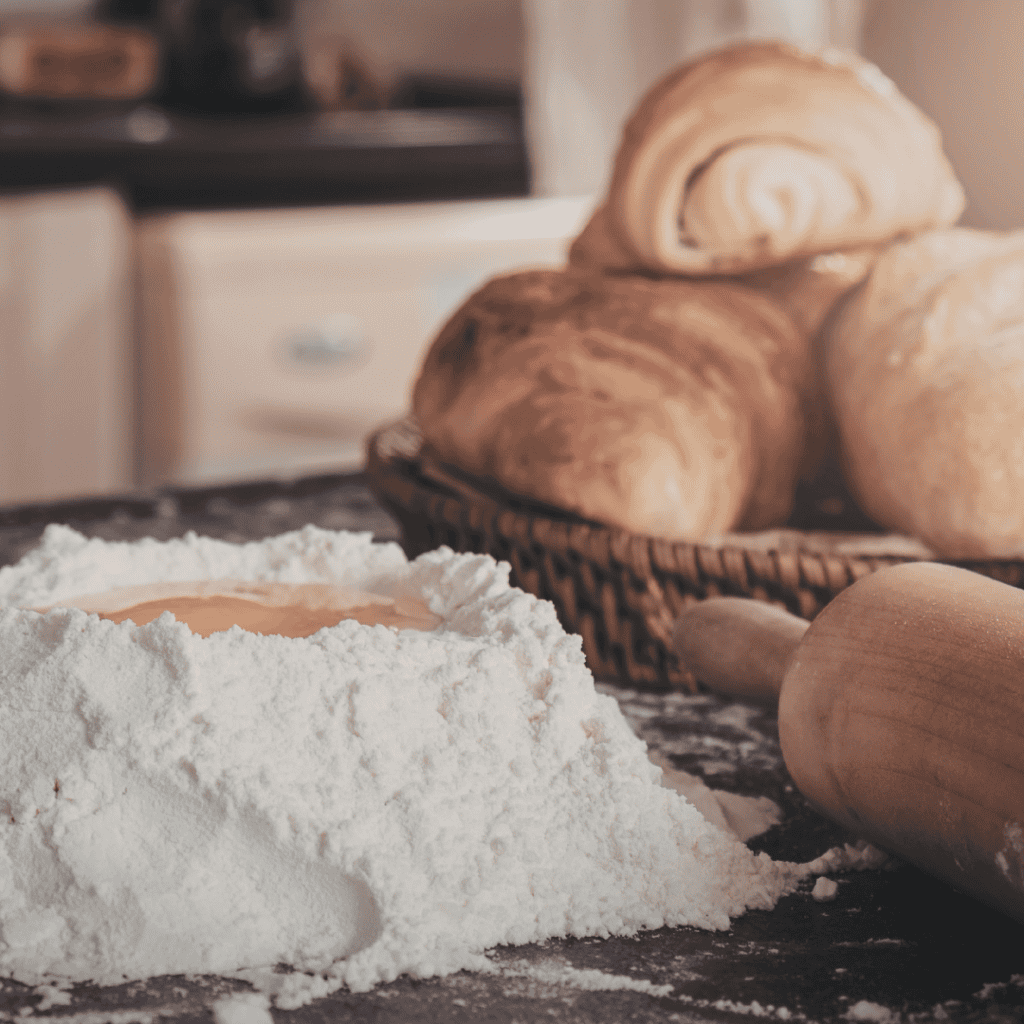
Start with Basic Baking Ingredients
If you do any amount of baking, there are a few staples that show up in almost everything. These are the first ingredients I would focus on:
- Flour
- Baking powder
- Baking soda
- Salt
These basics are what you’ll use in simple recipes like basic scones with strawberry sauce, where most of the ingredients are already in your pantry. It’s tempting to grab the biggest bag of flour right away, but that can eat into your grocery budget quickly. Starting with a smaller bag and building up over time makes it easier to manage costs while still having what you need.
Build Your Core Spice Cabinet
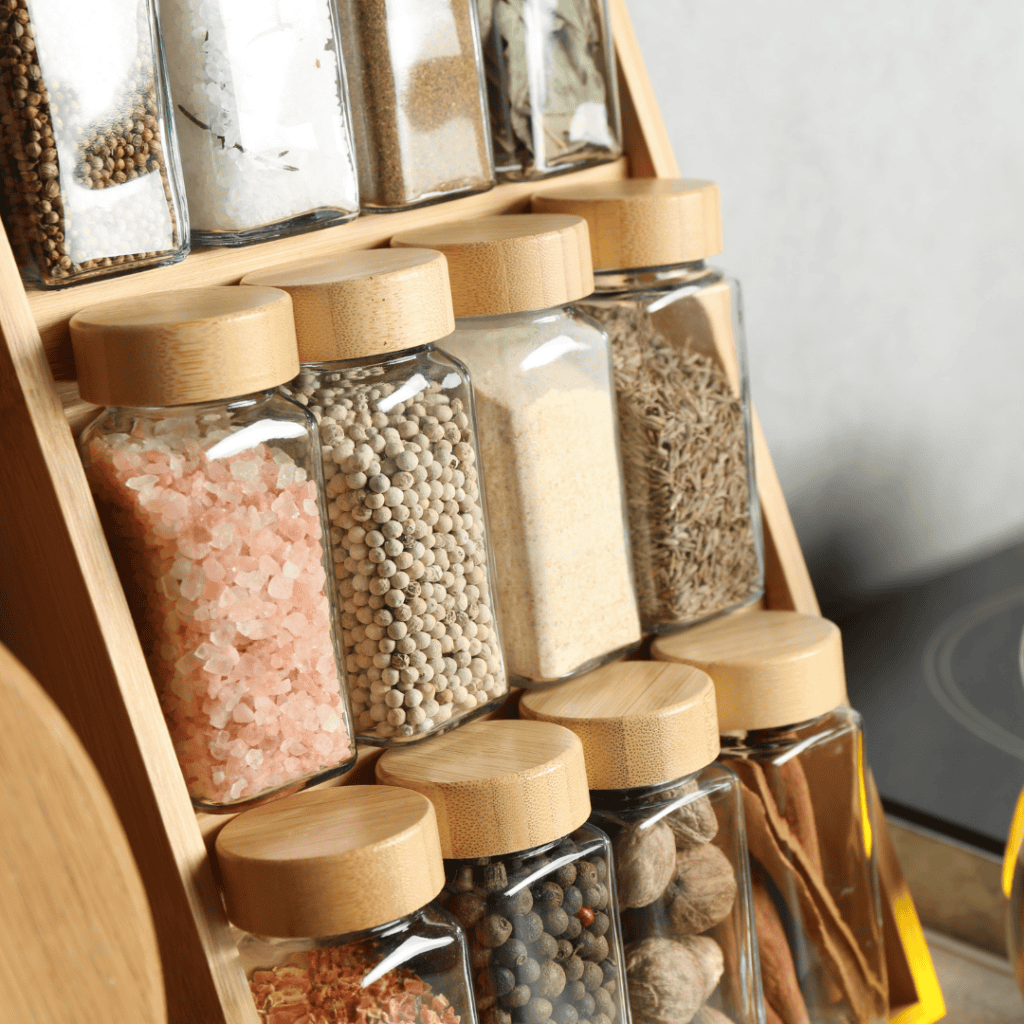
Once you’ve got your baking basics, the next step is adding spices you’ll use in everyday cooking.
Your base spice cabinet should include:
- Salt
- Black pepper
- Paprika
- Oregano
- Basil
- Thyme
- Garlic powder
- Onion powder
Over the years, these are the ingredients I’ve found myself reaching for again and again. They show up across a wide range of recipes, making them a practical foundation.
From there, expand slowly based on what you’re cooking each week instead of buying a full spice rack all at once.
Don’t Forget Cooking Oils
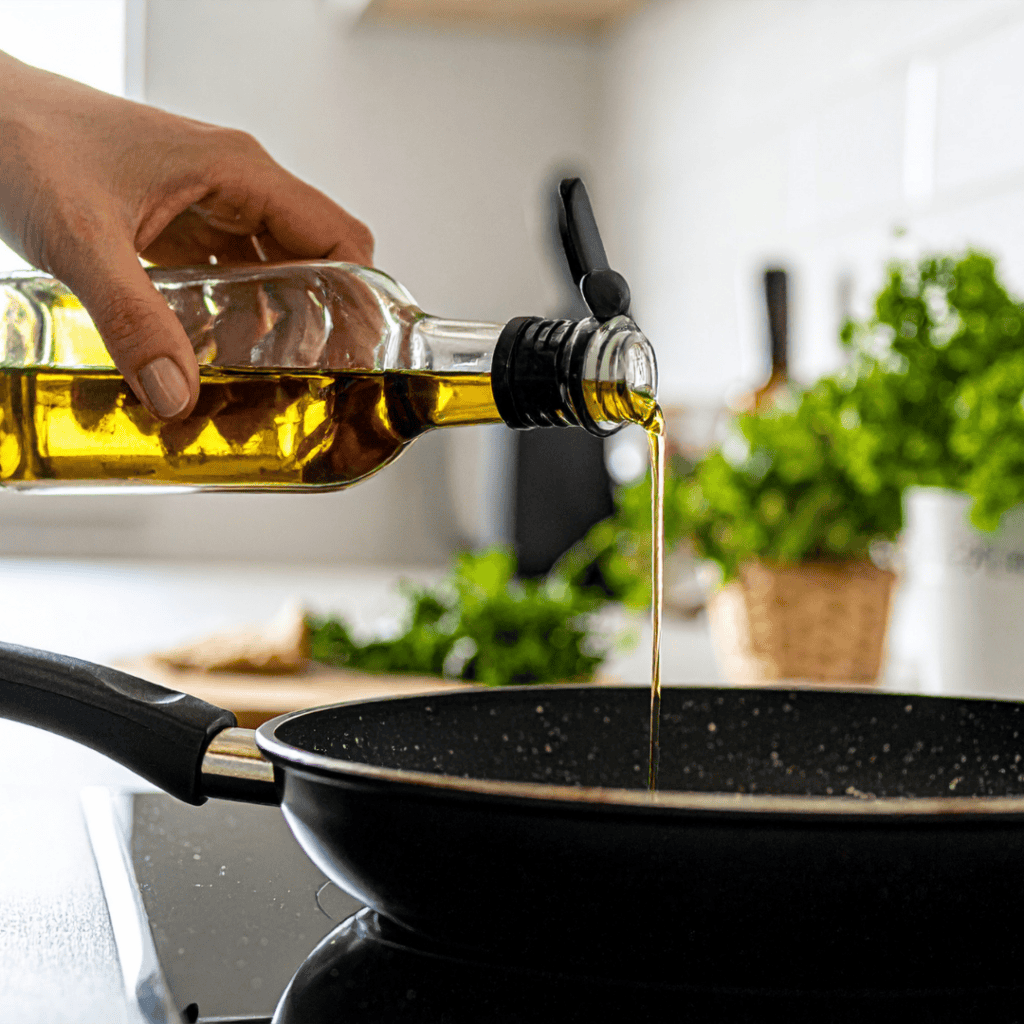
Most recipes start with some type of oil, whether you’re sautéing, frying, or baking.
A simple, budget-friendly oil like:
- Vegetable oil
- Canola oil
- Sunflower oil
is a good place to start. These work across both cooking and baking, making them a versatile staple.
At this stage, buying a larger container is usually more cost-effective since oil is something you’ll use regularly.
Building Out Your Cooking Pantry
Once you’ve got your basics in place, the next step is adding ingredients that help you actually cook meals, not just bake.
These are what I think of as flavor builders—they don’t seem like much on their own, but they make a big difference in everyday cooking.
- Vinegar (white or apple cider)
- Soy sauce
- Worcestershire sauce
- Mustard
- Ketchup
- Sugar
Having these pantry items on hand makes it much easier to put together sauces, marinades, and everyday meals without needing a full grocery trip every time. These kinds of ingredients are also what go into simple sauces, like this homemade BBQ sauce with brown sugar, which can be used across multiple meals.
Staple Foods That Stretch Your Meals
A lot of what you keep in your pantry will depend on your dietary preferences, but there are a few basics that work for most families.
For me, I always make sure I have three main starches on hand:
- Rice
- Pasta
- Potatoes
These are inexpensive, store well when kept properly, and can stretch into multiple meals. With just a few pantry staples, you can turn them into meals like shrimp fried rice, a quick mushroom linguine pasta, or even a simple crispy baked potato with whatever you have on hand.They also pair easily with simple proteins and sauces, making them a reliable base for everyday cooking.
From there, it’s about building your pantry in a way that fits how you actually cook.
Fridge Staples That Support Your Pantry
Even though this is a pantry guide, there are a few fridge basics that go hand in hand with it.
Keeping these on hand makes it easier to turn pantry ingredients into full meals:
- Butter or margarine
- Milk
- Eggs
- Basic cheese
These are especially helpful when you’re trying to put together quick meals for a family without a lot of planning. For example, combining these basics with pantry ingredients makes it easy to throw together meals like mashed potatoes or a simple cheesy breakfast casserole. Fresh produce also plays an important role. Including fresh fruits and vegetables alongside pantry staples helps round out meals and supports balanced eating, as recommended by Health Canada. Combining pantry staples with fresh fruits and vegetables helps create more balanced, nutritious food options for everyday meals.

These are simple examples to show how pantry staples can be used as a base. Most meals will still need a few additional ingredients, seasonings, or steps to fully come together.
Build Your Pantry Over Time
The most important thing is not to try and buy everything at once.
A simple way to build a family pantry on a budget is to:
Look at what you’re planning to cook that week
Check what you already have
Only buy what you’re missing
Over time, your pantry fills out naturally without putting too much strain on your grocery budget.
If this is your first time setting up a kitchen, this approach keeps things manageable and prevents waste.
Pantry Maintenance (Don’t Skip This)
Every few months, it’s worth going through your pantry and checking what you actually use.
Spices in particular lose their strength over time. Proper storage also makes a difference—keeping dry goods in cool, dry conditions helps extend their shelf life, as outlined by Government of Canada food storage guidelines. Even though they don’t technically expire right away, they won’t have the same flavor if they’ve been sitting for too long.
If something doesn’t have much smell left, it’s probably time to replace it.
Keeping your pantry fresh makes a noticeable difference in how your food turns out.
Why This Matters for Everyday Cooking
Once your pantry is set up like this, most recipes become a lot easier to follow because you’re no longer starting from scratch every time.
Instead of needing to buy every ingredient for every meal, you’ll already have most of what you need. That’s when cooking starts to feel more natural and less like a chore.
A well-built family pantry at home on a budget takes the stress out of daily cooking and makes it easier to get meals on the table. Once your pantry is set up, even recipes like these oven baked ribs with maple glaze become much easier to pull together without extra shopping.
This approach worked for me when I was newly married, and it still works now as a family of four. You keep adding to your pantry over time, and eventually grocery shopping becomes much simpler. Instead of starting from scratch every week, you already know what you have on hand and what needs to be replaced—whether that’s sugar, baking supplies, or everyday ingredients.
It also helps cut down on food waste because you’re building meals around your pantry instead of trying to follow a meal plan exactly and buying ingredients you won’t use again. You can always veer off for holidays, birthdays, and special occasions, but having a solid pantry base makes it much easier to do that without breaking your budget.