What Is a Rolling Boil? How to Tell When Water Is Ready
If you’ve ever read a recipe that says to bring water to a rolling boil, you might pause for a second and wonder what that actually means. I think this is especially important for beginners because if you aren’t familiar with the term, it can be confusing to know what makes it different from a regular boil.
A lot of people assume boiling is just boiling, but there are stages, and using the wrong one can affect how your food cooks.
I’ve seen a lot of people stop too early thinking the water is ready, but those small bubbles at the bottom aren’t enough — that’s where most recipes go wrong.
What Is a Rolling Boil?
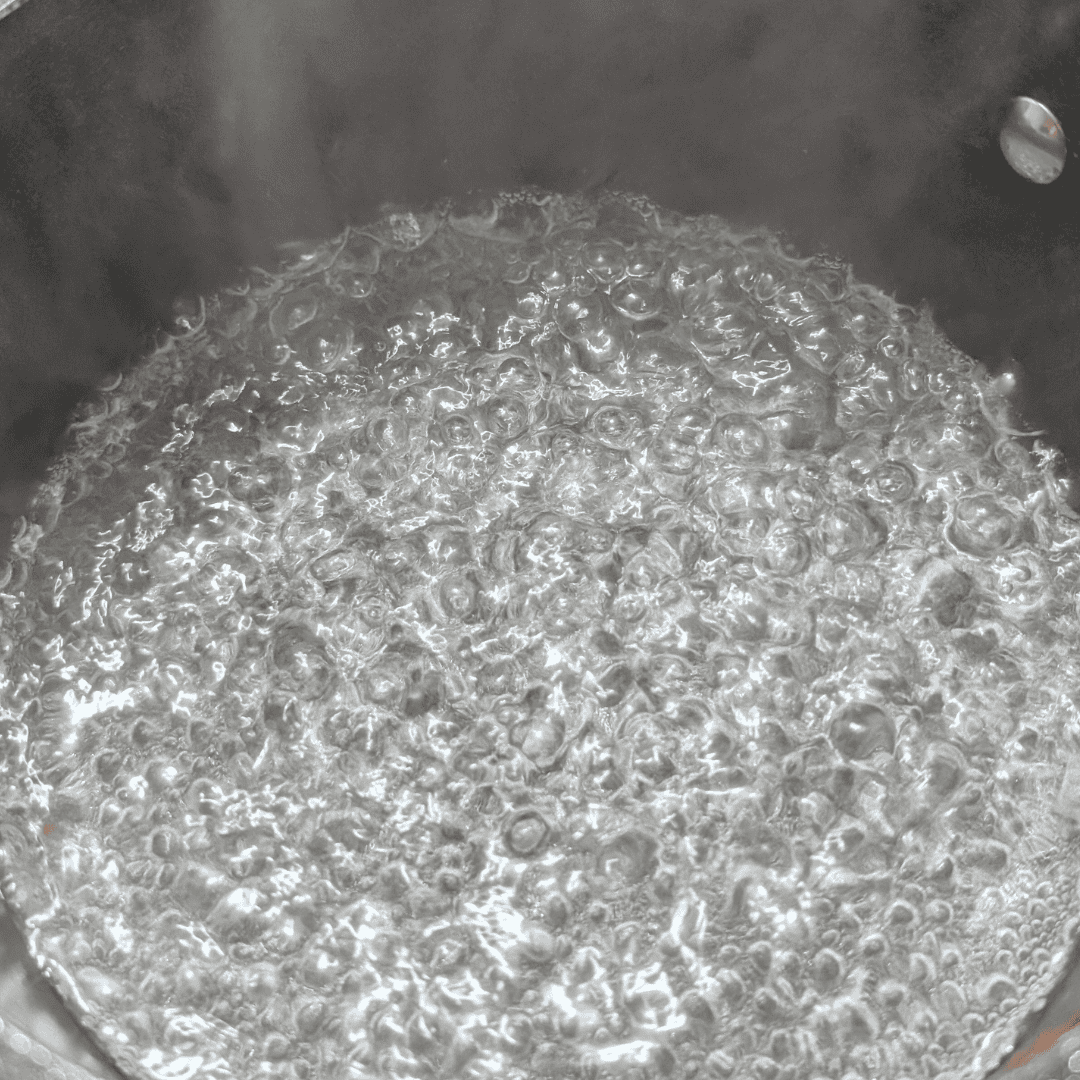
A rolling boil is when water is boiling rapidly with large bubbles constantly breaking the surface, even when stirred. It happens at high heat and means the water has reached its boiling point and is ready for cooking.
At this stage, the movement is strong and consistent. The bubbles don’t stop when you stir the pot, and the surface of the water is constantly shifting.
Quick Check: Is Your Water Ready?
-Large bubbles breaking the surface constantly
-Movement doesn’t stop when stirred
-Steam is rising steadily
If you’re only seeing small bubbles at the bottom, it’s not ready yet.
What Does a Rolling Boil Look Like?
At a full rolling boil, you’ll see large bubbles rising quickly from the bottom of the pot to the surface of the water. These aren’t small or occasional bubbles — they are constant and active. You’ll usually see bubbles forming at the bottom of the pot first before anything happens at the surface.
When it does hit the right temperature the entire surface will look like it’s in motion, almost like the water is rolling over itself. Steam will be rising steadily, and the heat level will be high enough to keep that movement going without dropping off.
This is very different from the early stages of heating water, where you might only see tiny bubbles forming at the bottom of the pot.
Simmer vs Boil: What’s the Difference
This is where most confusion happens.

At a simmer, you’ll see small bubbles or tiny bubbles gently rising to the surface. The movement is slower, and the heat is lower. You might notice bubbles forming around the bottom of the pot and along the sides, but the surface stays mostly calm.
At that stage, everything changes. The bubbles are larger, the movement is stronger, and the surface of the water is constantly breaking.
If you’re cooking pasta or blanching vegetables, a simmer isn’t enough. You need the water fully boiling to get the right texture.
How to Bring Water to a Full Boil
Start with cold water and place your pot over a strong heat source. Turn the heat to high and give it time to build. Water reaches a rolling boil at its boiling point, around 100°C (212°F) at sea level. At higher elevations, water boils at a lower temperature, so it may look like a rolling boil sooner even though the heat is slightly lower.
As the water temperature rises, you’ll first see small air bubbles forming at the bottom of the pot. These are not a boil yet — just the early stages.
Keep the heat on high until those bubbles grow larger and begin breaking the surface of the water consistently. Once the entire pot is active and the movement doesn’t stop when stirred, you’ve reached a full rolling boil.
Why Recipes Specify This Stage
Recipes specify a rolling boil because it gives you a consistent starting point for cooking. When the water is fully boiling, you know it has reached the right temperature and will stay there even when food is added.
This matters most when cooking pasta. Adding it too early, before the water is fully boiling, can cause it to sit in lower temperatures where it softens unevenly and starts to stick together. This stage keeps the water moving and helps cook everything evenly from the start.
It also helps with timing. Most cooking times are based on the water already being fully boiling, so starting at the wrong stage can throw off the entire recipe.
What Happens If Water Isn’t Hot Enough
If the water isn’t at a rolling boil, food won’t cook the way it should.
With pasta, it can turn soft on the outside before the inside is fully cooked, or it can clump together because the water isn’t moving enough to separate it. You also won’t get that proper al dente texture.
It can also take longer to cook overall, since the water temperature isn’t high enough to do the job efficiently.
In some cases, it might look like things are cooking fine, but the results won’t be as consistent. That’s why waiting for a full rolling boil before adding your ingredients makes such a difference.
When to Use This Cooking Method
A rolling boil is most commonly used when cooking pasta. The high heat and constant movement help cook the pasta evenly and prevent it from sticking together, giving you that ideal al dente texture.
It’s also important when blanching vegetables or cooking certain dry ingredients that need strong, consistent heat.It also comes into play when making soups or broths, like a turkey soup made from bone broth where you need to bring everything up to temperature before reducing the heat.
If the temperature drops too much, cooking becomes less consistent and can take longer than expected.
Common Mistakes
One of the most common mistakes is assuming the water is ready too early. Seeing small bubbles doesn’t mean you’ve reached a rolling boil. Most beginners mistake the first sign of bubbles for a boil, but that’s just trapped air escaping — not enough heat yet.
Another issue is not using enough heat. If the heat source isn’t strong enough, the water may never reach a full rolling boil.
Overcrowding the pot can also reduce the temperature quickly, dropping it below a boil and affecting how your food cooks.
Why It Matters
Understanding what a rolling boil looks like is a small detail, but it makes a big difference in the kitchen.
Using the correct heat level helps ensure your food cooks properly, whether you’re making pasta, preparing vegetables, or following a recipe that depends on timing and temperature.
Once you recognize it, it becomes second nature — but until then, it’s one of those terms that can easily trip you up.
If you’ve ever wondered why your pasta didn’t turn out quite right or why something took longer to cook than expected, there’s a good chance the water wasn’t at a full rolling boil yet.