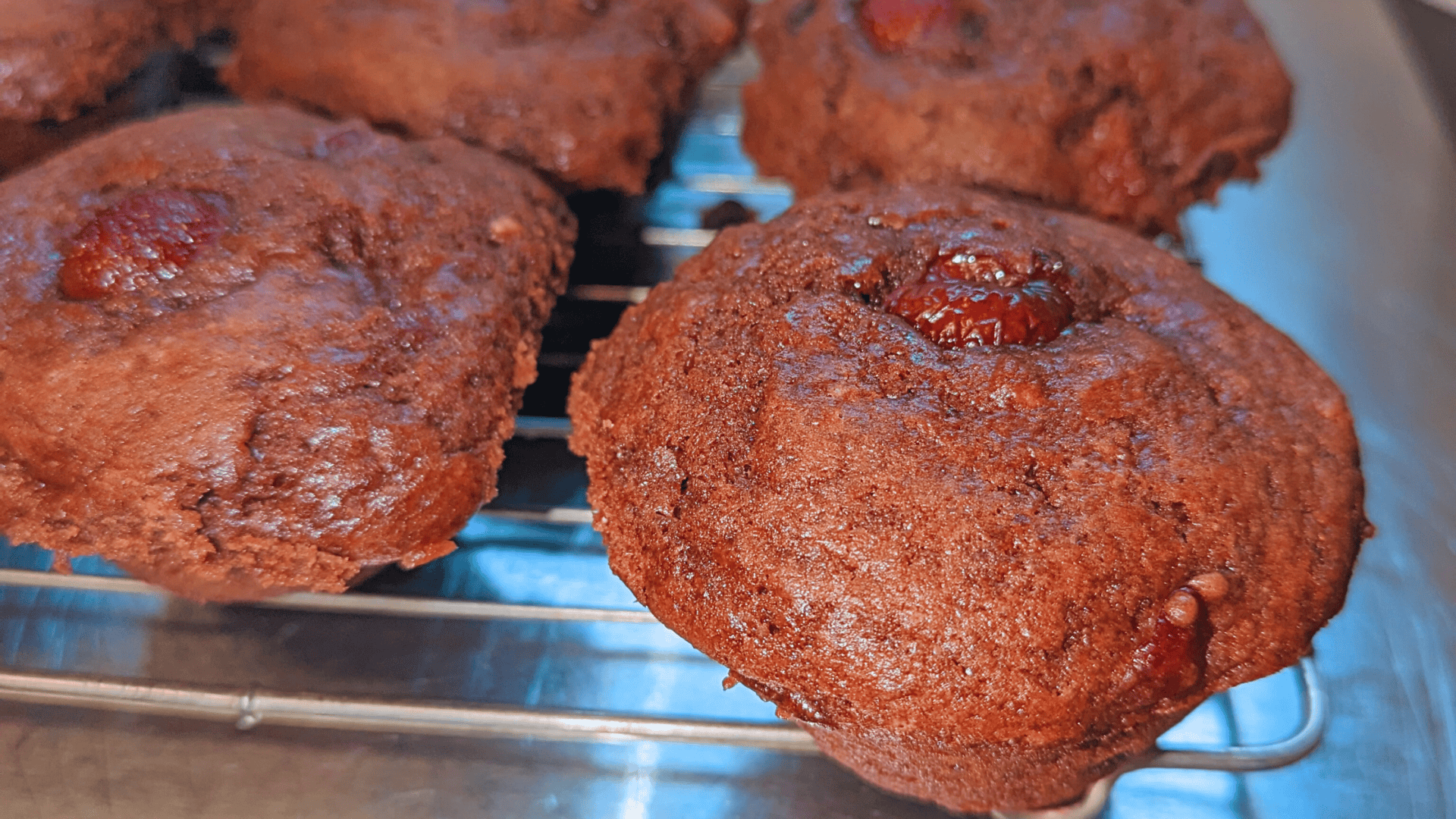
One Bowl Muffin Recipes (Simple Homemade Batter)
If there’s one thing I’ve learned after baking muffins since I was a child, it’s that from scratch baking does not need to be complicated to produce delicious muffins. Most of my one bowl muffin recipes are made in a large bowl with simple pantry staples, basic measuring cups, and ingredients I already have on hand. Whether I’m making bakery-style blueberry muffins, plain muffins for packed lunches, or testing a new flavor with fresh fruit and brown sugar, the process stays simple because the method works.
Growing up off grid meant we did not have expensive mixers or fancy baking tools sitting on the counter. My mother’s kitchen rule was simple: what you dirty, you wash. That naturally pushed me toward one bowl baking long before it became trendy online. We used a hand crank egg beater for whipped egg whites, basic muffin tins, and handwritten recipe cards tucked into old cookbooks. Muffins quickly became one of my favorite ways to bake because they were affordable, forgiving, and practical for real family life.
Today I still bake muffins the same way.
Most of my muffin recipes use pantry ingredients like:
- white flour or whole wheat flour
- vegetable oil, olive oil, or coconut oil
- baking powder
- white sugar or brown sugar
- large eggs
- fresh or frozen fruit
- oat milk, almond milk, or regular milk
That flexibility is part of the best part of muffin baking.
Once you understand a good base recipe, you can create endless muffin variations without needing specialty ingredients from the grocery store.

Why One Bowl Muffin Recipes Work
A lot of beginner bakers assume one bowl baking means dumping wet ingredients and dry ingredients together all at once. That is usually what causes dry muffins, tunneling, or flat muffin tops.
The perfect way to make easy muffins is understanding that order still matters even when using one bowl.
When making muffin batter, I start by combining the wet ingredients first. If I’m using oil instead of melted butter, I whisk the oil and large egg together until smooth and emulsified. Oil-based muffins tend to stay softer and moister longer, while butter-based muffins often bake up slightly richer and more cake-like.
If using butter, creaming butter and sugar properly matters. Creaming incorporates air into the batter, which helps create bakery-style muffins with better lift and softer texture.
Once the wet ingredients are combined, I sprinkle the dry ingredients evenly across the surface instead of dirtying another bowl. Traditional baking often teaches bakers to mix flour, baking powder, and salt separately first to ensure even distribution. In my experience, carefully sprinkling the dry ingredients into the large bowl while mixing produces the same best results with far less cleanup.
The important thing is proper incorporation.
I slowly add milk while mixing because adding liquid gradually helps prevent hidden dry pockets when hand mixing. This step matters especially for one bowl muffin recipes because overworking the batter later to chase out lumps often creates heavier muffins.

The Biggest Muffin Mistake: Overmixing
The most common muffin mistake I see online is tunneling.
Tunneling happens when muffin batter is overmixed and too much gluten develops in the flour. Instead of soft, uniform muffins, the interior develops long tunnels and an uneven chewy texture.
I remember my sister learning about tunneling in home economics while I was still under ten years old. Her teacher repeatedly explained that muffin batter should never be aggressively beaten once the flour is added because gluten develops quickly.
That lesson stuck with me.
I stop mixing muffin batter the moment:
- it looks homogenous
- there are no obvious dry flour pockets left
That’s it.
Overmixing is one of the fastest ways to ruin perfect muffins.
Why Muffin Tops Rise Better With High Heat
One reason bakery-style muffins often have tall muffin tops is because they begin baking at higher heat.
The initial burst of high heat quickly activates the leavening and creates oven spring before the batter fully sets, helping create taller muffin tops. Lowering the bake times and temperature afterward allows the centers to finish baking evenly without becoming too dark.
This technique works especially well for:
- bakery-style blueberry muffins
- choc chip muffins
- morning glory muffins
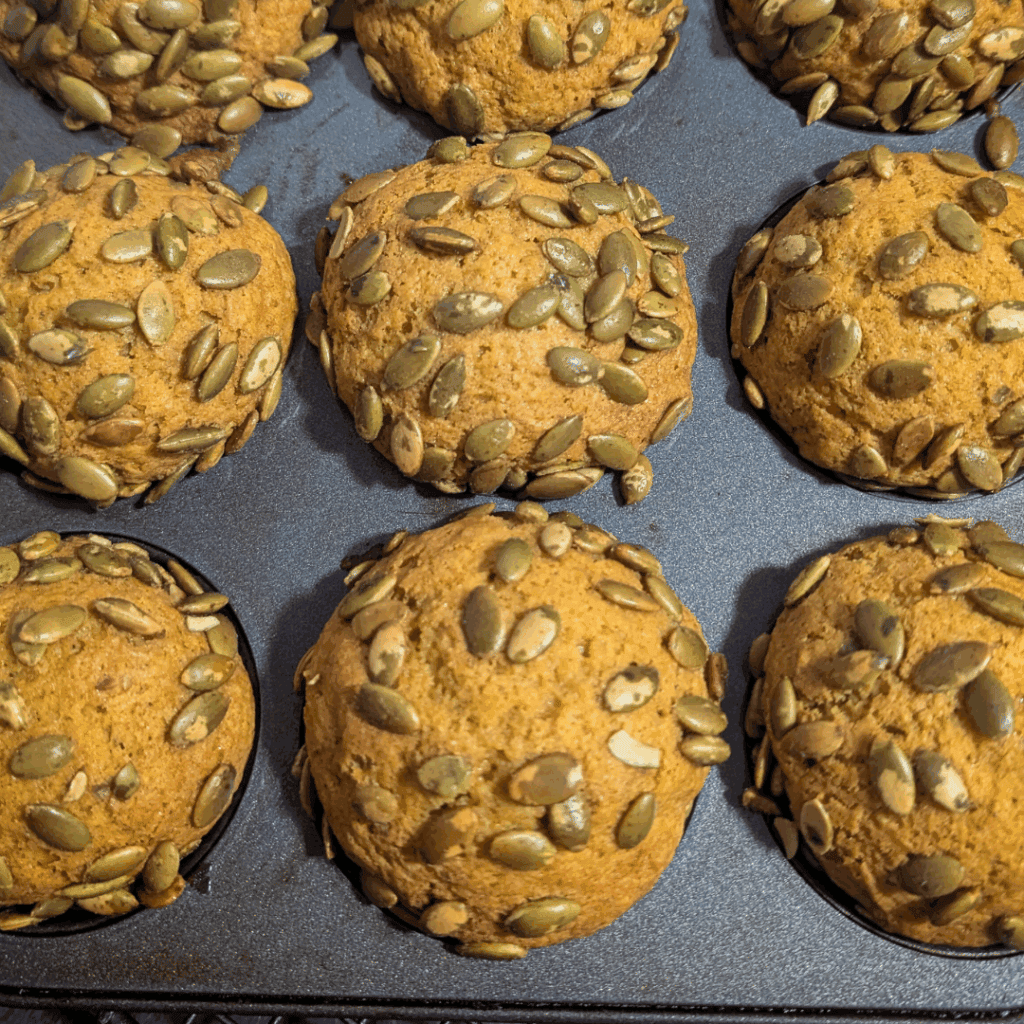
- large muffins baked in tulip muffin liners
Why Dumping Everything Together Doesn’t Work Well
When ingredients are dumped together all at once “willy nilly,” several things happen:
- the eggs don’t properly incorporate air
- fat doesn’t emulsify evenly
- dry ingredients become harder to mix smoothly
- overmixing becomes more likely
- muffins often bake flatter and tougher
A few extra minutes of mixing ingredients in the correct order creates dramatically better texture with almost no additional effort.
Simple baking still has structure. You just don’t need to dirty half the kitchen to get there.
Why From Scratch Baking Isn’t Something To Fear
One thing I’ve noticed over the years is how intimidated many people feel by the words “from scratch.”
Growing up, I knew no other way to bake.
My mother rarely bought prepackaged sweets from the grocery store. If we wanted muffins, cookies, or cake, we opened a cookbook and made it ourselves.
As a teenager, I remember a friend asking with complete awe if I had baked something “from scratch.” I was honestly surprised by the question because to me it simply meant following a recipe.
There is no giant secret to homemade baking. Most of the time it simply comes down to reading the recipe, following the steps in order, and trusting that you probably don’t need to overthink it nearly as much as the internet says you do.
That’s something I later taught both my former husband and my current partner, who has an enormous sweet tooth. He originally believed baking had to be difficult and time consuming because that was the impression he had always been given.
The first time my partner made muffins himself, he stared at the bowl and said:
“Wait… that’s all there is to this?”
He genuinely thought from scratch baking was some massive complicated process.
Exactly.
Once you understand the steps, baking from scratch becomes far less intimidating.
Muffins Are One of the Most Practical Things You Can Bake
Muffins are practical in ways many baked goods are not.
They:
- freeze well in an airtight container
- pack easily into lunches
- work for grab and go breakfasts
- double successfully for large families
- adapt easily to seasonal fresh fruit
- use affordable pantry ingredients
My partner especially loves muffins packed into work lunches because a single batch can last several days.
One of the best parts of muffins is how easy it is to change flavors using the same base recipe.
For example:
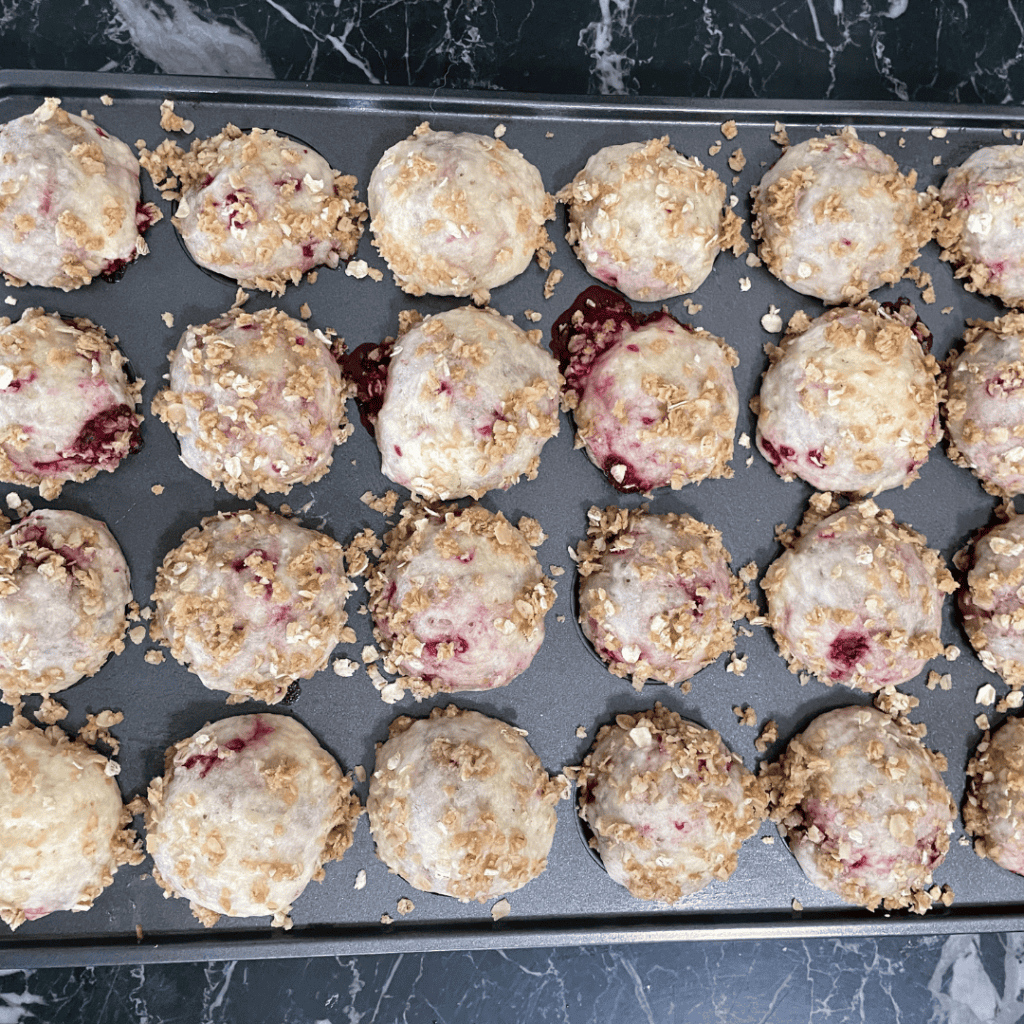
- juicy blueberries can become raspberries or blackberries
- maple syrup can replace part of the white sugar
- greek yogurt can add moisture
- coconut sugar can deepen flavor
- lemon zest can brighten berry muffins
- sweet chocolate chips can turn plain muffins into dessert
Learning a reliable basic muffin recipe opens the door to endless muffin variations.




Pantry Baking Keeps Muffins Affordable
There have been many seasons in my life where affordable baking mattered deeply.
There have been seasons in my life where baking had to stretch farther. Tight budgets, layoffs, and “tightening the belt,” as my mom called it, taught me how valuable pantry baking really is.
That’s why I love muffins.
A few simple ingredients like:
- all-purpose flour
- vegetable oil
- baking powder
- white sugar
- oat milk
- flax egg substitutes
- frozen fruit
can keep a family stocked with homemade baking without spending a fortune.
I keep my pantry stocked intentionally because when baking ingredients run out, they immediately go onto the shopping list even if I do not plan to bake right away.
That habit has saved me countless times.
When You Actually Need More Than One Bowl
There are certainly times when multiple bowls matter in baking.
Recipes involving:
- whipped egg whites
- sponge cakes
- meringues
- folded batters
- separate flavored batters
often genuinely benefit from additional bowls and more technical preparation.
But muffins are wonderfully forgiving.
That’s part of their charm.
Once you understand proper mixing order and avoid overmixing, one bowl muffin recipes become one of the easiest and most dependable forms of homemade baking.
Honestly, mixing muffin batter is usually easier than hauling all the ingredients out in the first place. No one has all day to bake — unless you do — wink.
How to Prepare Your Muffin Tin
One of the easiest ways to ruin a good batch of muffins is having them stick to the pan after baking. Over the years I’ve found a few simple tricks make a huge difference.
A good quality non-stick muffin tin helps, but even the best pans become worn and seasoned over time. That does not make them useless. In fact, I often bake muffins without paper muffin liners at all and simply use cooking spray instead.
For lighter muffins, this usually works perfectly.
For heavier muffins with lots of fruit, streusel, or rich add-ins, I often recommend muffin liners because softer bakery-style muffins can sometimes pull apart while still warm.
If I know muffin tops are going to spread high over the pan like jumbo bakery-style muffins often do, I usually grease both the muffin cups and the top surface of the pan to help prevent sticking around the edges.
And honestly, even when you do everything right, muffins still occasionally stick.
That’s where an old-fashioned butter knife becomes your best friend.
I gently loosen around the edge of the muffin top first before sliding the knife carefully down the side of the muffin cup to release the base. If two muffin tops bake together, simply separate them gently before lifting them out.
The same basic method works for mini muffins too — just on a smaller scale.
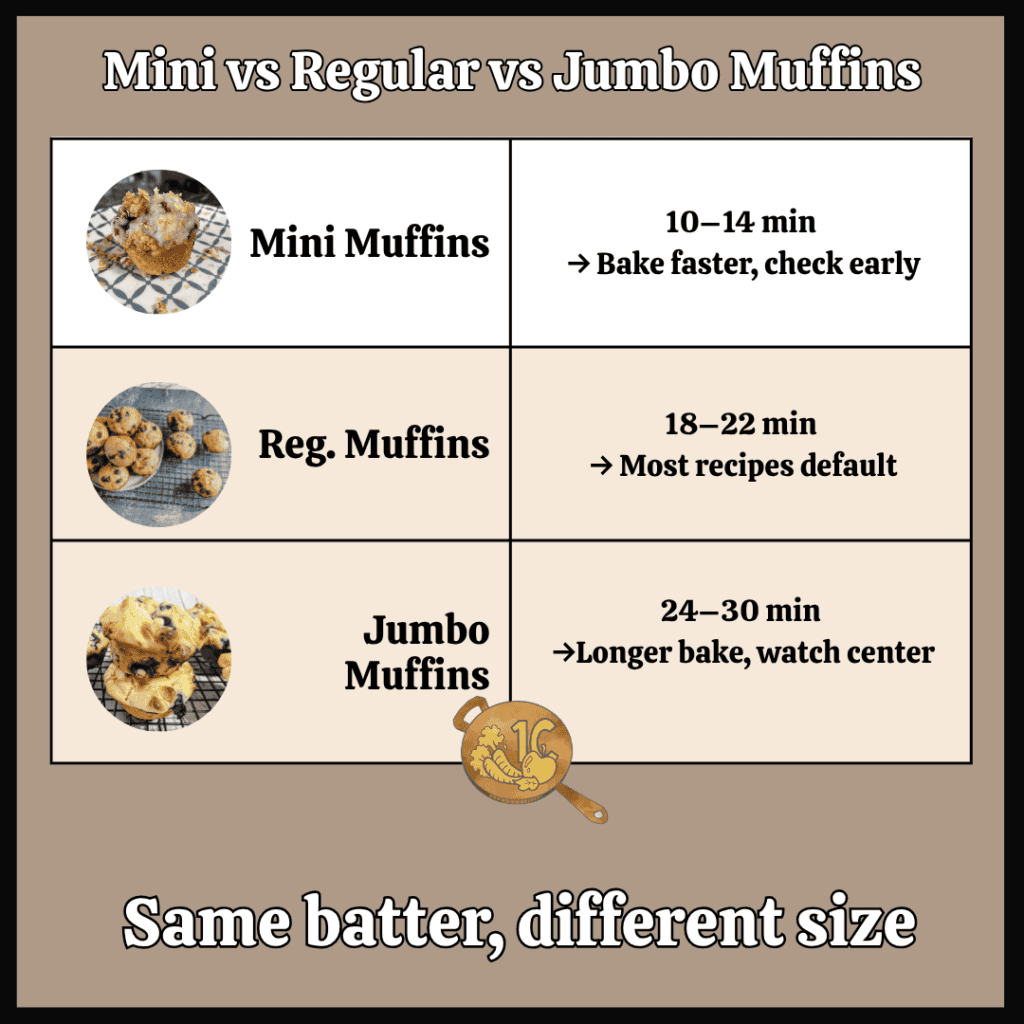
How to Adjust Bake Times for Mini or Jumbo Muffins
One of the most common questions with muffin baking is how to adjust bake times for mini muffins or jumbo bakery-style muffins.
As a general rule, the smaller the muffin, the less time it needs to bake.
For example, if a regular muffin recipe bakes at 350°F for 18–20 minutes, mini muffins made from the same batter will often bake in about 10–12 minutes instead.
Mini muffins also usually do not need the initial high-temperature blast that many bakery-style muffin recipes use to create tall domed tops. Because mini muffins bake so quickly, baking them at a steady 350°F is usually enough to get good rise without overbrowning them.
Jumbo muffins are the opposite. Larger muffins often benefit from beginning at higher heat for a few minutes to encourage oven spring before lowering the temperature to finish baking the centers evenly.
No matter the size, the best way to check muffins is by looking for:
- lightly golden tops
- springy texture
- a toothpick that comes out mostly clean
How to Store Muffins So They Stay Fresh
Muffins are one of my favorite make-ahead baked goods because they store and freeze beautifully.
For best results, let muffins cool completely before storing them. This allows excess steam to escape so condensation does not build up inside the container and make the muffins soggy.
Most muffins can be stored in an airtight container on the counter for several days. Muffins with fresh fruit, cream cheese, or very moist fillings are usually better stored in the refrigerator.
When packing muffins for school lunches or work lunches, I often wrap them individually for easy grab-and-go breakfasts and snacks. They hold up surprisingly well for several days — although in my house they rarely last that long.
How to Freeze Muffins
Muffins freeze extremely well, especially simpler pantry-style muffins without delicate fillings.
I prefer flash freezing muffins first so they do not stick together in the freezer bag later.
To flash freeze muffins:
- let the muffins cool completely
- place them on a baking tray
- freeze for about 1 hour
- transfer to a freezer-safe bag or airtight container
This makes it easy to remove only the muffins you need instead of thawing the entire batch at once.
To serve, simply let the muffins thaw at room temperature or warm them gently before eating.
My Favorite One Bowl Muffin Recipes
Fruit Muffins
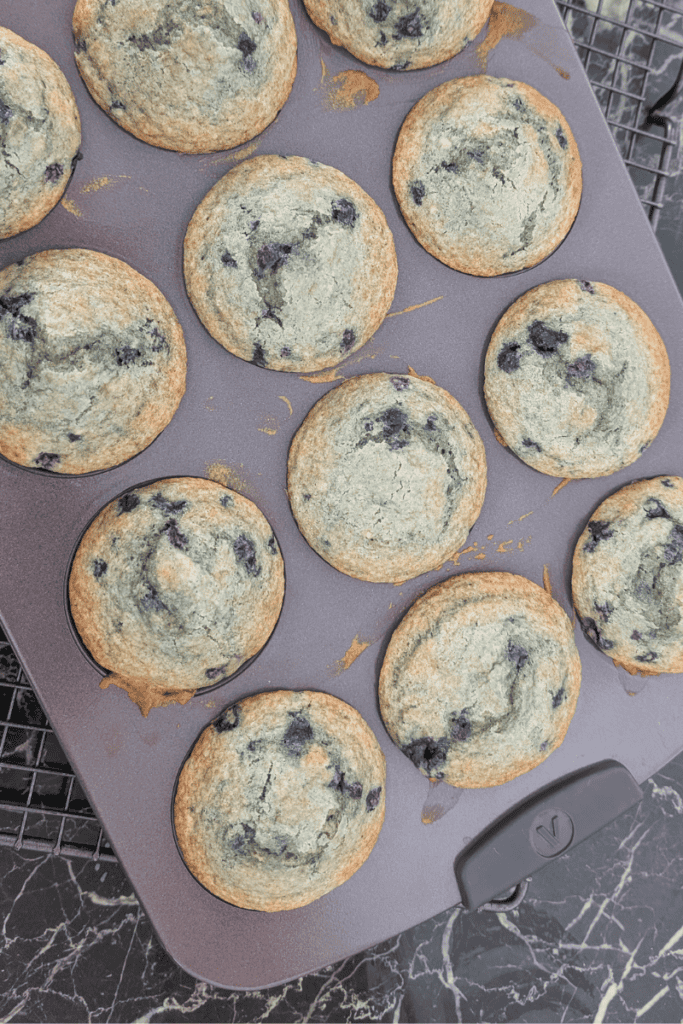
- Bakery-Style Blueberry Muffins
- Blackberry Muffins
- Raspberry Muffins
- Lemon Blueberry Muffins
Chocolate Muffins
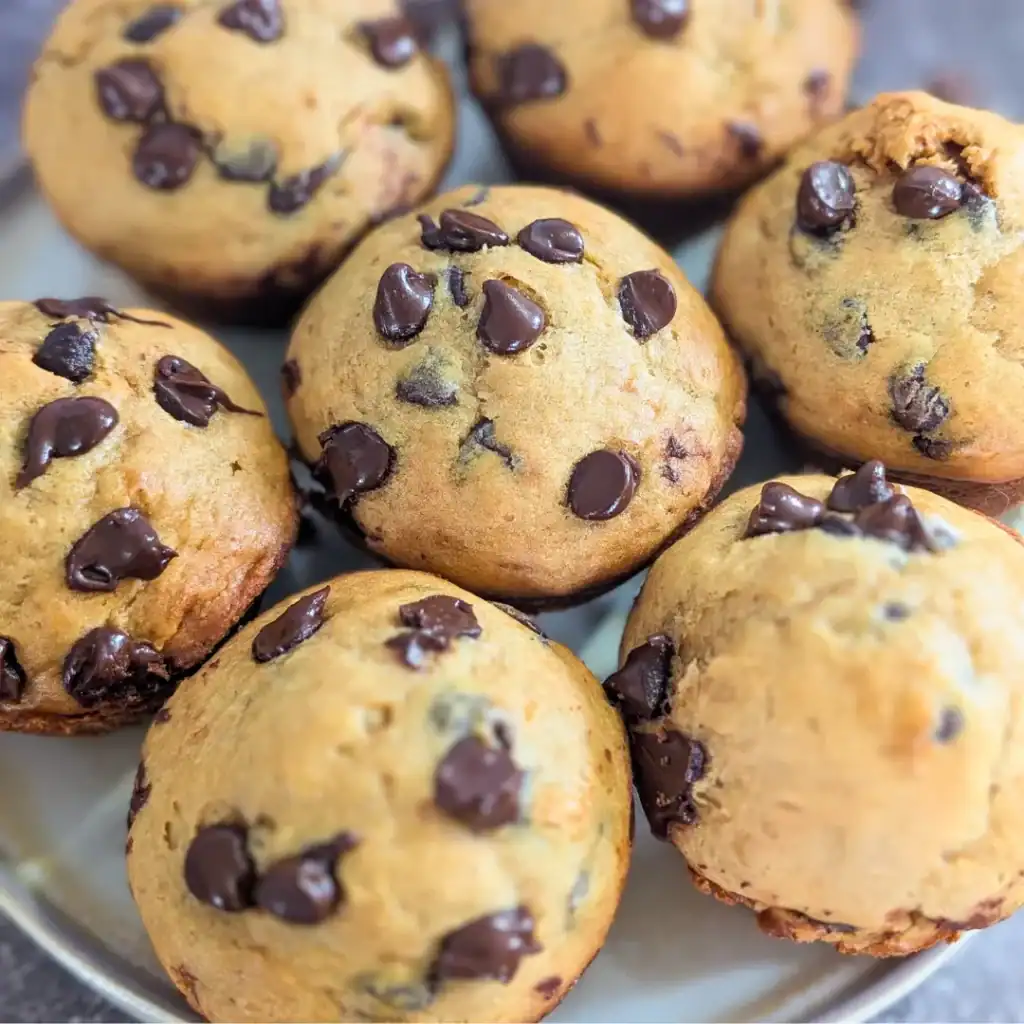
- Choc Chip Muffins
- Double Chocolate Muffins
- Peanut Butter Chocolate Chip Muffins (Wowbutter)

Pantry Friendly Muffins
- Banana Muffins
- Morning Glory Muffins
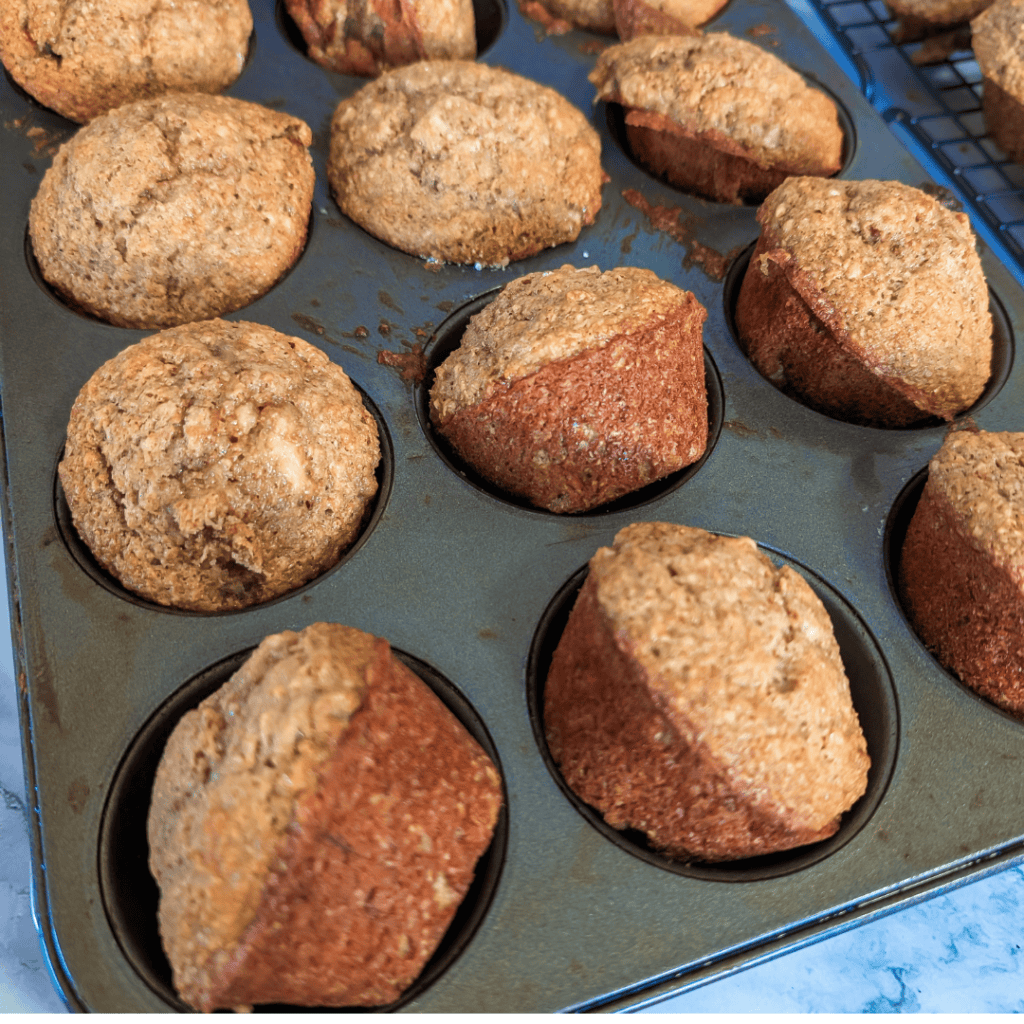
- Whole Wheat Muffins
- Oat Muffins
Seasonal Muffins
- Apple Muffins
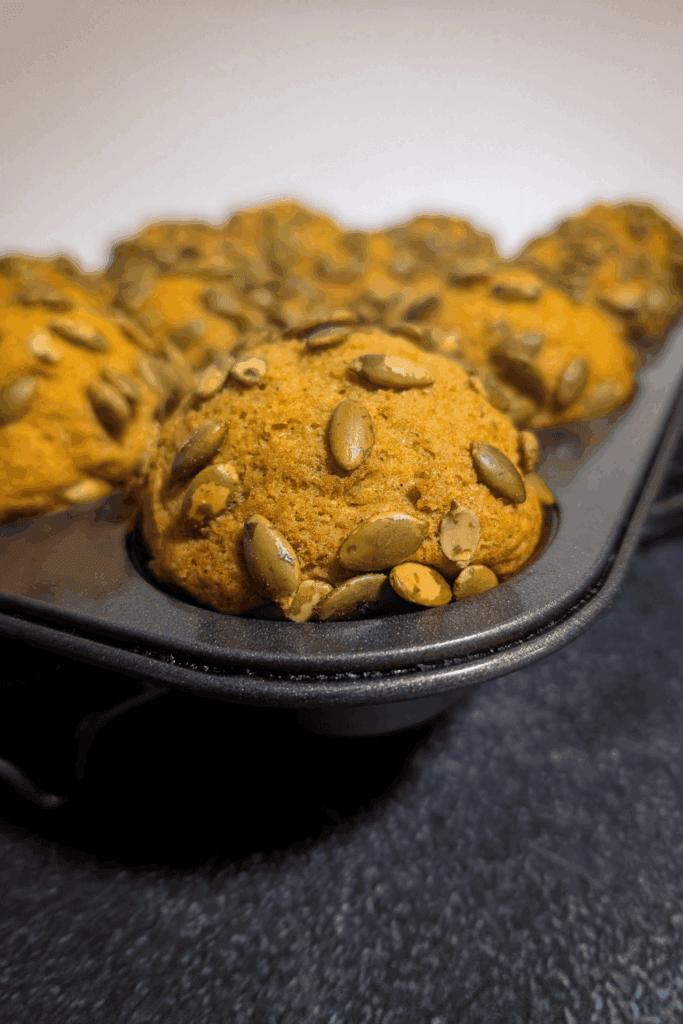
- Pumpkin Muffins
- Strawberry Muffins
- Peach Muffins
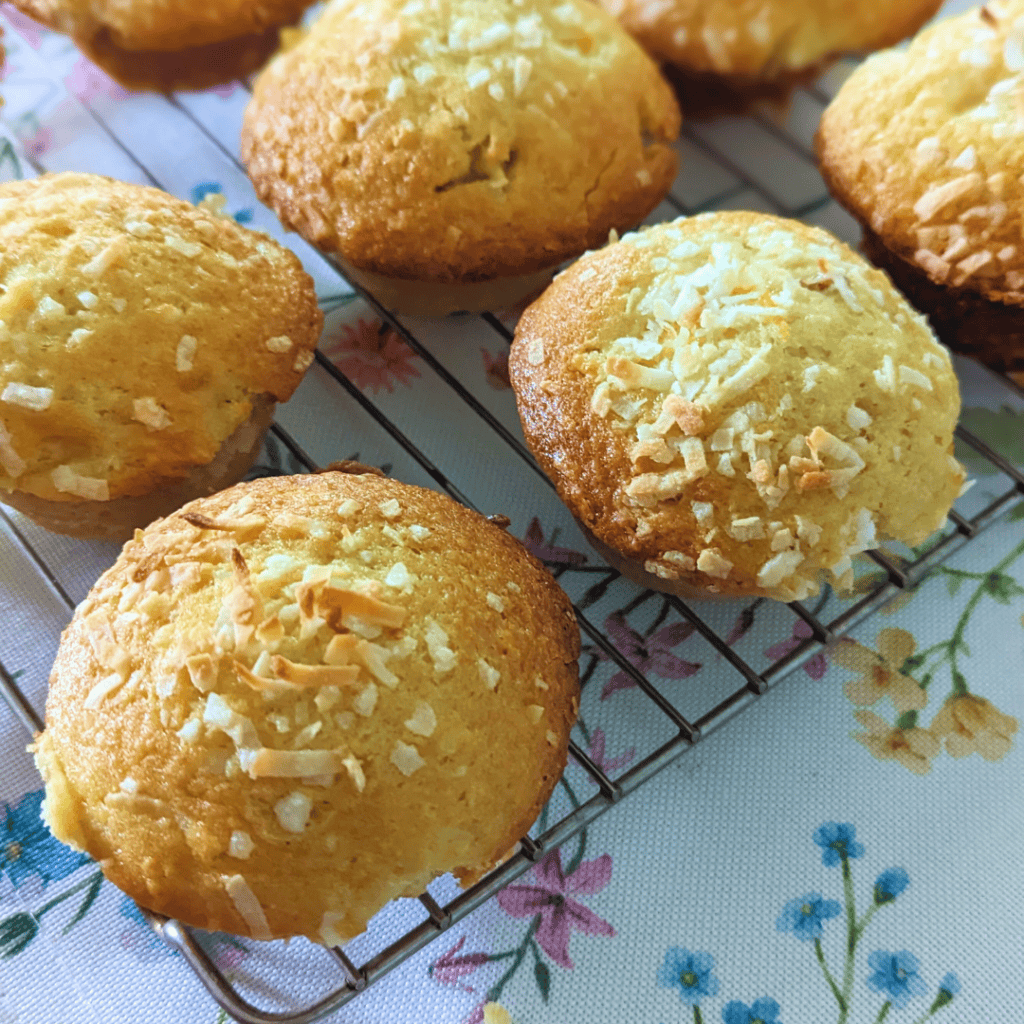
At the end of the day, muffins are proof that homemade baking does not need to be expensive, complicated, or intimidating. Sometimes all you need is one large bowl, a muffin tin, pantry ingredients, and the confidence to simply begin.