What Is Sesame Oil? How to Use It in Cooking
Sesame oil is an oil made from sesame seeds and commonly used in Asian cuisine for its deliciously nutty flavor and aroma. Depending on the type, sesame oil can be used either as a cooking oil or as a finishing oil added near the end of cooking. It is one of those ingredients that can completely change a dish with just a teaspoon or two.
This sesame oil guide explains the different types of sesame oil, what it tastes like, how to use it in cooking, and when to use toasted sesame oil versus lighter sesame oils. It also covers common substitutes, smoke point questions, storage tips, and why a small bottle of sesame oil usually lasts a surprisingly long time.
Sesame oil appears in many Korean, Chinese, and Japanese dishes, especially noodle bowls, sauces, marinades, and vegetable sides. Even though recipes often call for only a teaspoon or two, the flavor is strong enough that a small amount can completely change the overall flavor of a dish.
I still remember the first time I bought toasted sesame oil and realized it was the flavor that had been missing from so many of my homemade Asian-inspired dishes. Even a small drizzle suddenly made noodle bowls, sauces, and fried rice taste much closer to what I expected from restaurant versions.
It is one of those ingredients that can seem expensive at first, but because the flavor is so concentrated, a bottle usually stretches much farther than most people expect.
Quick Answer
Sesame oil is an oil made from sesame seeds and used in many Asian dishes for its nutty flavor and aroma. Toasted sesame oil is usually added in small amounts near the end of cooking, while lighter sesame oils can sometimes be used for cooking over medium heat or higher temperatures.
Cost Rating: 🍳 1 Pan — Budget Friendly (Long Shelf Life)
Cost guideline:
Cost Per Batch: ~$5–$12 per bottle depending on size and quality
Cost Per Serving: Usually less than $0.25 per recipe
Sesame oil can seem expensive compared to vegetable oil or canola oil, especially if you are buying toasted sesame oil for the first time. The strong flavor means most recipes only use a very small amount, so a bottle often lasts much longer than expected.
Smaller bottles are common because sesame oil is usually used more like a seasoning or finishing oil instead of a large-volume cooking oil.
Why Understanding Sesame Oil Matters in Cooking
Beginner-Friendly Ingredient Guide: This article explains what this ingredient is, how it tastes, and how to use it without assuming previous cooking experience.
Easy To Understand Differences: Toasted and regular varieties behave very differently in recipes, and knowing when to use each one makes cooking much easier.
Practical Kitchen Guidance: The article focuses on real cooking behavior, including smoke point, flavor strength, storage, and common beginner mistakes.
Helpful Substitute Information: Substitute options are explained realistically so you understand what changes in flavor and texture when replacing it.
Useful For More Than One Cuisine: This ingredient works in many Korean, Japanese, Chinese, and Asian-inspired dishes including stir fries, noodle bowls, marinades, and dipping sauces.
Budget Tip:
Toasted versions can seem pricey at first, but the flavor is very strong, so most recipes only use a teaspoon or two at a time. A single bottle often lasts through many batches of noodle dishes, stir fries, marinades, and salad dressings.
If you are experimenting with this ingredient for the first time, start with a smaller bottle instead of a large container. You can also use a more neutral oil for most of the cooking and save the toasted variety for finishing the dish near the end.
What Is Sesame Oil?
Sesame oil is an extracted oil made from sesame seeds. Some versions are made from raw sesame seeds, while others are made from toasted sesame seeds that go through a roasting process before the oil is extracted.
Different varieties change both the flavor and the way the ingredient is used in cooking. Lighter versions have a more neutral flavor and can sometimes handle higher temperatures, while darker toasted varieties have a stronger nutty aroma and deeper flavor.
Traditional methods for making this ingredient have existed for centuries in many parts of Asia, and it is still widely used in Korean food, Chinese dishes, Japanese cooking, and many other Asian cuisines today.
Some versions are sold as cold-pressed oil, while others are made from toasted seeds for a deeper flavor. Many grocery stores now carry both regular and organic varieties. It also contains healthy fats, although most recipes use it more for flavor than nutrition.
What Does Sesame Oil Taste Like?
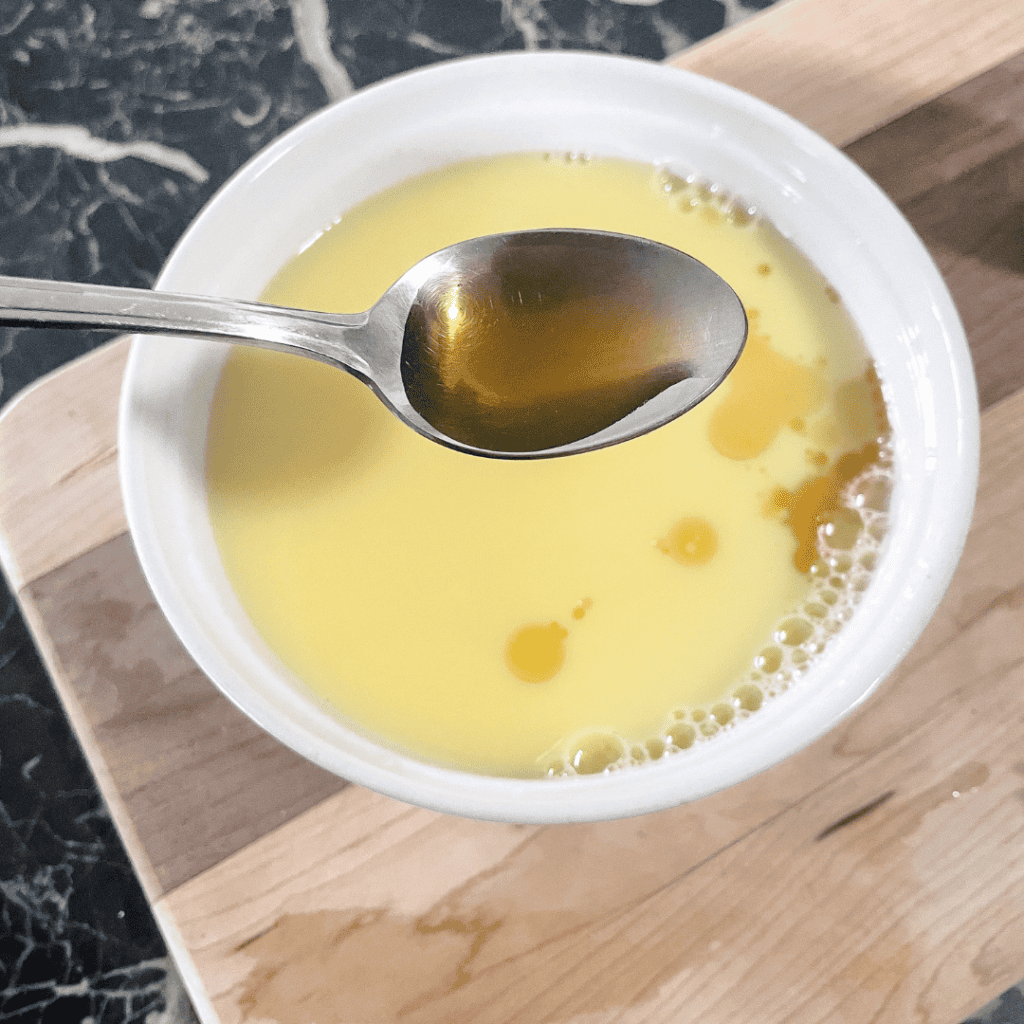
This ingredient has a distinctive flavor with a toasted nutty aroma that becomes more noticeable as it gets darker. Toasted versions usually have the boldest flavor and are often described as earthy, roasted, and slightly smoky. Lighter varieties usually have a more subtle flavor and a beautiful golden color.
A small drizzle can add a lot of flavor very quickly. The strong sesame smell surprises many people the first time they cook with it because the flavor is much more concentrated than neutral cooking oils like vegetable oil or canola oil.
Some lighter varieties have a milder flavor and work better when you want the sesame taste to stay more subtle. Flavor can also vary depending on the country of origin and whether the seeds were toasted before pressing.

Toasted Sesame Oil vs Regular Sesame Oil
Toasted and regular varieties are not always interchangeable because they behave differently in recipes.
Toasted versions are made from sesame seeds that go through a roasting process before the oil is extracted. The darker toasted variety has a much stronger flavor and is usually used as a finishing oil added near the end of cooking.
Regular versions, sometimes called light or non-toasted varieties, have a lighter color and milder flavor. Some can handle medium heat or slightly higher smoke points better than darker toasted varieties.
If a recipe simply says “sesame oil,” it is often referring to the toasted version unless the recipe specifically discusses high heat cooking.
What Sesame Oil Should Beginners Buy?
For most beginner home cooks, toasted versions are the easiest place to start because they are most commonly used for flavor in noodle dishes, fried rice, marinades, and sauces.
Smaller bottles are usually a better choice at first because a little goes a long way. Toasted varieties are commonly sold in the international aisle of most grocery stores near soy sauce and other Asian cooking ingredients.
Where To Find Sesame Oil
Toasted versions are usually sold in the international aisle of most grocery stores near soy sauce, rice vinegar, and other Asian cooking ingredients. Some stores also carry them in the regular cooking oils section depending on the brand.
Smaller bottles are very common because this ingredient is usually used in small amounts instead of being poured heavily like vegetable oil or canola oil.
Most beginner home cooks will probably want toasted varieties first because they are the versions most commonly used for flavor in noodle bowls, fried rice, marinades, dipping sauces, and many Asian-inspired dishes.
Can You Cook With Sesame Oil?
You can cook with it, but the type matters. This ingredient behaves differently from many common cooking oils because toasted versions are usually used more for flavor than for high heat frying.
Toasted varieties have a lower smoke point. For most home cooks, the best way to use them is in small amounts near the end of cooking.
Lighter versions generally work better for medium heat cooking, and some have a higher smoke point suitable for stir frying.
Many cooks combine vegetable oil with toasted versions when stir frying. The darker toasted variety is stronger and usually used as a finishing oil.
These stronger varieties are usually measured in teaspoons instead of tablespoons because the flavor is much more concentrated than most cooking oils.

How To Use Sesame Oil in Cooking
Sesame oil is most commonly used in noodle dishes, fried rice, marinades, dipping sauces, salad dressings, soups, and stir fries. The oil pairs especially well with soy sauce, green onions, garlic, ginger, rice vinegar, and Korean chili flakes.
Because the flavor is so strong, it is usually better to start with a smaller amount and add more later if needed. Too much toasted sesame oil can overpower the other ingredients in a dish very quickly.
Some of my favorite ways to use sesame oil are in Korean steamed eggs, noodle bowls, quick cucumber salads, and homemade sauces for rice dishes or vegetables. The best sesame oil for finishing dishes is usually toasted sesame oil because the flavor is stronger and more concentrated. Sesame oil is a natural complement to soy sauce, garlic, ginger, and green onions.
What Is a Finishing Oil?
A finishing oil is an oil added near the end of cooking for flavor instead of being used for prolonged frying or sautéing.
Why Recipes Use So Little Sesame Oil
Toasted sesame oil has a much stronger flavor than neutral cooking oils, so most recipes only use a teaspoon or two at a time. Using too much can overpower the other ingredients very quickly.
When NOT To Use Sesame Oil
Toasted sesame oil is usually not the best choice for deep frying or prolonged high heat cooking because the flavor can become bitter and overpowering.
Many recipes use this strong flavored oil more like a finishing oil added near the end of cooking instead of the primary cooking oil.
If you want the flavor to stay balanced, it is usually better to combine it with another cooking oil instead of using large amounts by itself.
Common Mistakes When Using Sesame Oil
- Using too much at once
- Cooking it over very high heat
- Assuming toasted and regular sesame oil are interchangeable
- Storing it near heat or sunlight too long
- Treating it like a neutral cooking oil
Sesame Oil Substitutes and Alternatives
This particular oil can be difficult to fully replace because the flavor is very distinctive.
Neutral cooking oils like vegetable oil, canola oil, or soybean oil can replace the fat portion of sesame oil in a recipe, but they do not recreate the same nutty flavor. Peanut oil works better in some Asian-inspired dishes because it adds a richer flavor, although it still tastes different from sesame oil.
Tahini can sometimes add sesame flavor to dressings or sauces, but the texture changes because tahini is made from ground sesame seeds instead of extracted oil.
If you are avoiding sesame completely, it is usually better to focus on balancing the overall flavor of the dish instead of trying to perfectly duplicate the sesame taste.
Why Sesame Oil Seems Expensive
The oil usually costs more than neutral cooking oils because sesame seeds contain less oil naturally and the production process is more specialized.
The small bottle size can also make the price seem higher at first. Most recipes only use a teaspoon or two at a time, so the oil often lasts much longer than people expect.
A bottle of oil usually lasts much longer than people expect because most recipes only use a small amount at a time.
How To Store Sesame Oil
Sesame oil should be stored in a cool dark place away from direct sunlight and heat. Keeping the bottle tightly sealed helps preserve the flavor and aroma longer.
Some people refrigerate it to extend the shelf life, especially after opening. Toasted oil can eventually smell stale, sharp, or be slightly bitter once it starts going rancid.
How long does sesame oil last?
Most opened bottles of oil last several months when stored properly in a cool dark place. Refrigeration can help extend shelf life, especially for toasted sesame oil used less frequently.
What Cuisine Uses Sesame Oil?
This oil is commonly used in Korean food, Chinese cooking, Japanese dishes, and many other Asian cuisines. The oil is especially popular in noodle bowls, rice dishes, marinades, dipping sauces, soups, and cold vegetable side dishes.
In Korean cooking, sesame oil is often drizzled over rice, vegetables, soups, and popular side dishes for extra flavor. Chinese dishes frequently use it in stir fry sauces and noodle dishes, while Japanese cooking often uses it in dressings and marinades.
This oil is also widely used in modern Asian-inspired cooking because even a small amount adds a strong savory flavor very quickly.

Recipes That Use Sesame Oil
If you want to start cooking with with this oil more often, these recipes are good beginner-friendly places to use it:
- Easy Microwave Korean Steamed Eggs (Gyeran Jjim)
- Shrimp Fried Rice With Eggs (Easy Weeknight Rice Recipe)
- Japanese Beef Rice Bowl (Gyudon)
- Easy Homemade Shrimp And Vegetable Spring Rolls
Expert Tips, Serving and Storing Suggestions
Tip #1: Start with less than you think you need. Toasted sesame oil has a very concentrated flavor and can overpower a dish quickly if too much is added at once.
Tip #2: Add toasted oil near the end of cooking. High heat can dull the flavor and sometimes create a bitter taste if the oil cooks too aggressively.
Tip #3: Use neutral oil for high heat cooking when needed. Many recipes combine vegetable oil or another cooking oil with it to balance both flavor and smoke point.
Tip #4: Smell the oil before using older bottles. It will usually develop a stale or bitter smell once the flavor starts deteriorating.
This nutty oil is commonly used in noodle bowls, rice dishes, stir fries, marinades, and sauces across many Asian cuisines. A small drizzle can also add flavor to eggs, roasted vegetables, cucumber salads, and homemade sauces.
The oil pairs especially well with soy sauce, garlic, ginger, green onions, rice vinegar, chili crisp, and Korean chili flakes.
Store unused bottled oil in a tightly sealed bottle in a cool dark place away from direct heat and sunlight. Refrigeration can help extend the shelf life, especially for the toasted variety which is used less frequently.
Older sesame oil may become stale or bitter over time, so checking the smell before cooking is usually the easiest way to judge freshness.
FAQ