How to Cook Rice in a Rice Cooker (Dainty Rice Cooker)
If you struggle with gummy, mushy, or inconsistent rice on the stove, a rice cooker makes the process dramatically easier. After years of uneven saucepan rice, switching to a rice cooker gave me fluffier rice, more separated grains, and much more reliable results with very little effort.
This is not a sponsored or affiliate post. The Dainty rice cooker was independently purchased as a personal kitchen appliance to support a Canadian company, and this article reflects my honest long-term experience using the product in my own home kitchen.

Why I Started Using a Rice Cooker
For years, I cooked rice in a saucepan on the stove and constantly struggled with inconsistent results. Sometimes the rice became overly soft and starchy, while other times the water cooked away too quickly and left the rice chewy or undercooked. After switching to a rice cooker, the difference in consistency was immediate. The rice cooker gives me much more consistent and nearly perfect rice compared to saucepan cooking. Rice cookers are one of the more hassle-free methods for cooking grains consistently.
Some people prefer Instant Pot pressure cookers for rice, although those appliances can feel a little intimidating to beginners compared to a simple one-button grain cooker like this.

What Comes With the Dainty Rice Cooker
The Dainty rice cooker is a very simple appliance without advanced programmable settings or complicated controls. The cooker includes a nonstick inner pot, a plastic steaming insert, a rice paddle, and a fitted lid with a steam vent. The cooker does come with the small plastic cup many rice cookers include, although I usually still use standard measuring cups. The simplicity is honestly one of the reasons I like it. There are not multiple confusing settings to navigate, making it beginner-friendly for people who simply want reliable rice without a steep learning curve. The plastic steaming insert sticks less than some stainless steel steamer inserts I have used previously. Rice paddles are also useful for fluffing warm rice gently without crushing the grains as much as a standard spoon sometimes can.
Most often, I cook jasmine rice or basmati rice in the cooker, although I have also successfully used it for quinoa, barley, Job’s tears, and several other grains. Since the cooker uses a basic cook-and-warm system without temperature adjustments, it works well for people looking for a practical hands-off method for cooking grains. The cooker makes consistently good white rice with very little effort. Once you get familiar with the basic cooking process, the cooker becomes very easy to use.
Rice Cooker Cups vs Standard Measuring Cups
The plastic measuring cup included with many rice cookers is often smaller than a traditional measuring cup. Because of this, beginners sometimes become confused when following water lines inside the cooker pot. I usually use standard measuring cups or the knuckle method instead, although the included rice cooker cup still works perfectly fine once you become familiar with the measurements.
How I Cook Rice in the Dainty Rice Cooker
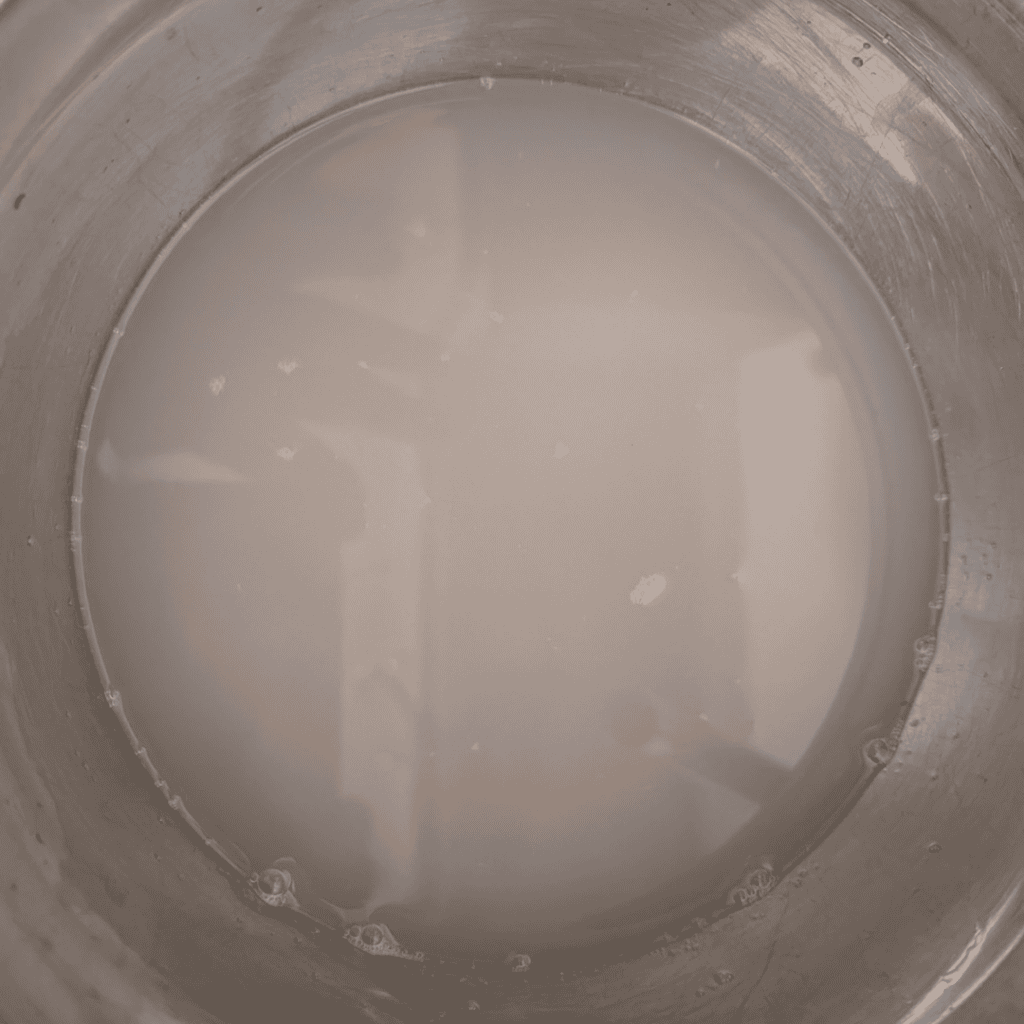
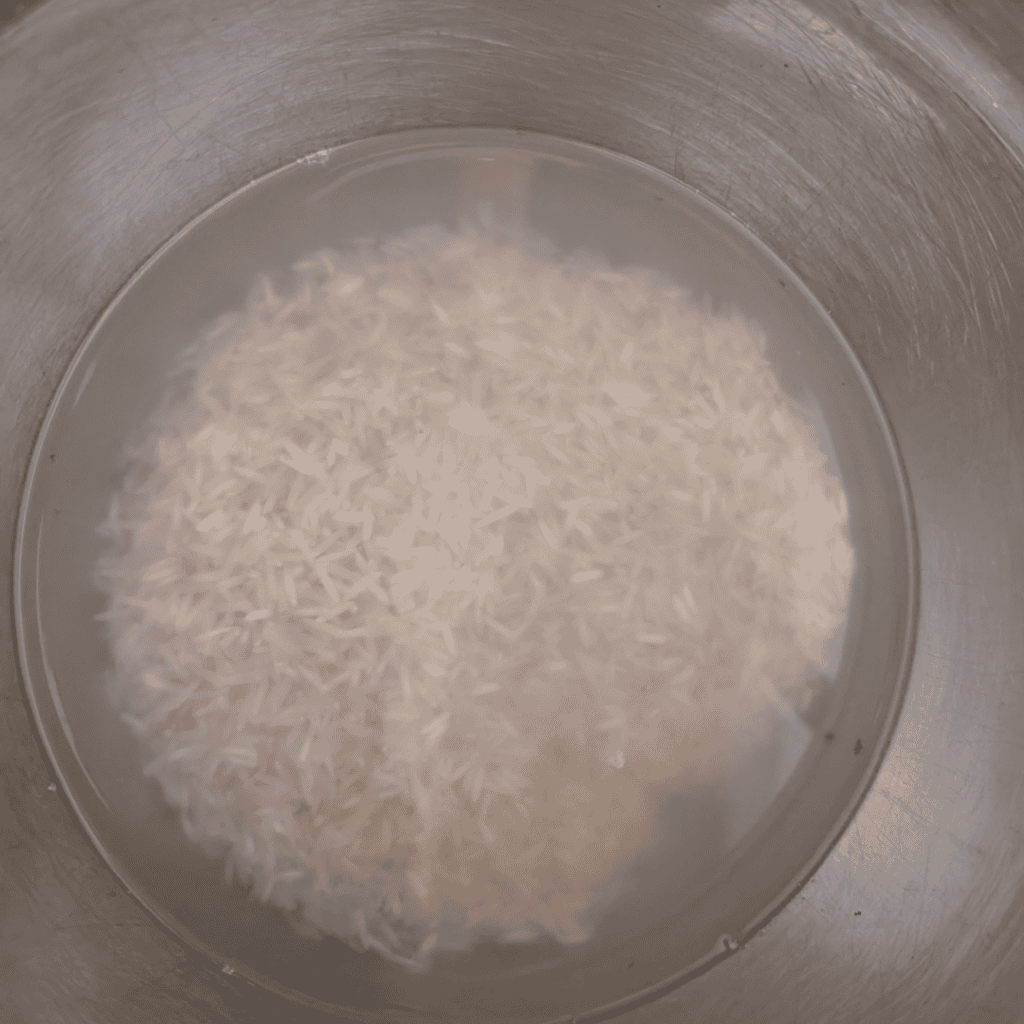
- Measure the rice and rinse it two or three times until the water runs mostly clear.
- Add the rinsed rice to the rice cooker pot along with the correct amount of water.
- For jasmine or basmati rice, I usually use one cup of rice to two cups of water.
- Place the inner pot into the rice cooker and close the lid.
- Turn on the cooker and allow the rice to cook fully before fluffing with the rice paddle.
- Once cooked, the rice can be served immediately or kept warm for later meals.
Why Rinsing Rice Matters
One thing I learned over time cooking rice is that for best results rinsing the rice properly makes a major difference in texture. I usually rinse the rice in a bowl two or three times until the water runs mostly clear, using my hand to keep the rice from pouring out while draining the cloudy water. A fine mesh strainer also works if you prefer using one. Rinsing rice helps remove excess starch, which improves the final texture and prevents the rice from becoming overly sticky or gummy. For many people, a rice cooker is the easiest way to make consistent rice at home
Rice to Water Ratio for Jasmine and Basmati Rice
For long grain rice like jasmine or basmati, I generally use a simple rice ratio of one cup of rice to two cups of water. The water ratio stays very consistent in the rice cooker compared to stovetop cooking. If I am measuring directly in the rice cooker pot, I sometimes use the old “one knuckle above the rice” water method instead. The rice cooker handles this ratio very consistently compared to saucepan cooking. Using too much water can leave the rice overly soft or gummy. The water lines inside the cooker pot help simplify measuring once you become familiar with the appliance. Different grains may require slightly different levels of water for the best texture.
Rice Cooking Times and Rice Types
Different kinds of rice cook at different times depending on starch content, grain thickness, and moisture absorption. Long grain jasmine rice and basmati rice usually cook fairly quickly and produce fluffier separated rice grains, while short grain rice and sushi rice stay softer and stick together more because of their higher starch content.
Brown rice takes longer to cook because the outer bran layer remains intact. One of the main characteristics of brown rice is its firmer texture and slightly nuttier flavor compared to white rice. Brown rice also typically needs more water and a longer cooking time.
Japanese white rice and sushi rice usually need slightly less water than some long grain varieties because of their starch content.
In my experience using the Dainty rice cooker, most white rice varieties finish cooking in roughly 20 minutes while brown rice can take closer to 45 minutes depending on the amount being cooked. Different varieties of rice may also require slightly different levels of water for the best texture.
Sticky rice and sushi rice work particularly well for rice balls, sushi, and onigiri because the rice grains naturally cling together more than long grain rice varieties.
The final texture also depends partly on the quality of the rice itself, especially with long grain varieties. Older rice can sometimes cook slightly drier than fresher rice depending on storage conditions and moisture content. If the rice still feels slightly firm once the water absorbs, adding a small splash of hot water and allowing it to cook a little longer usually fixes the texture easily.
Using Rice Cooker Rice for Meal Prep
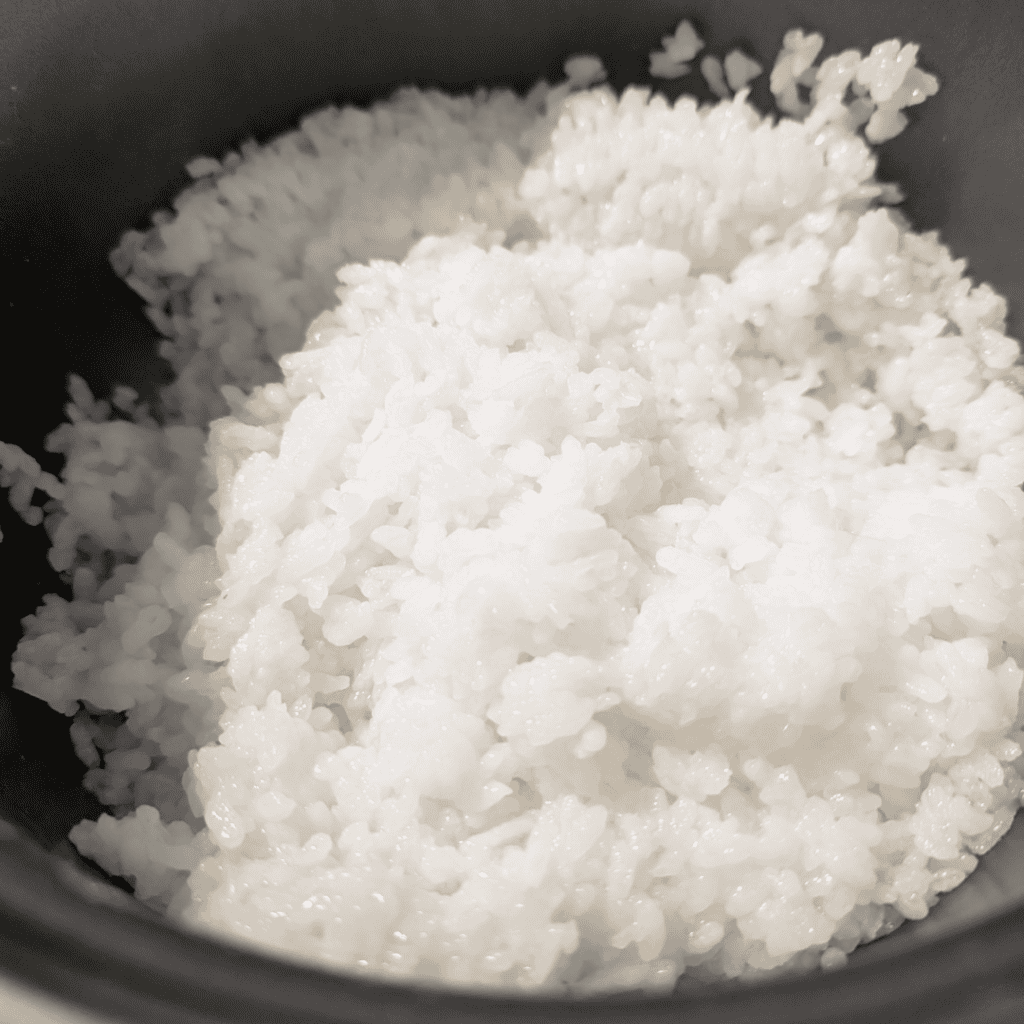
When cooking for three adults, one cup of dry rice with two cups of water is usually enough for dinner with leftovers. The cooker can also handle larger batches for meal prep and easily makes enough rice for multiple meals throughout the day.
I often start the rice earlier in the day and leave it ready for later meals, especially if I plan on making fried rice, gyudon, or homemade onigiri later on. Rice cooker rice holds up particularly well for meal prep because the texture stays fairly consistent once refrigerated and reheated.
Day old rice from the rice cooker works especially well for homemade fried rice because the grains firm up slightly after refrigeration. The cooker also works well for keeping warm rice ready while preparing the rest of the meal.
Using the Steamer Insert
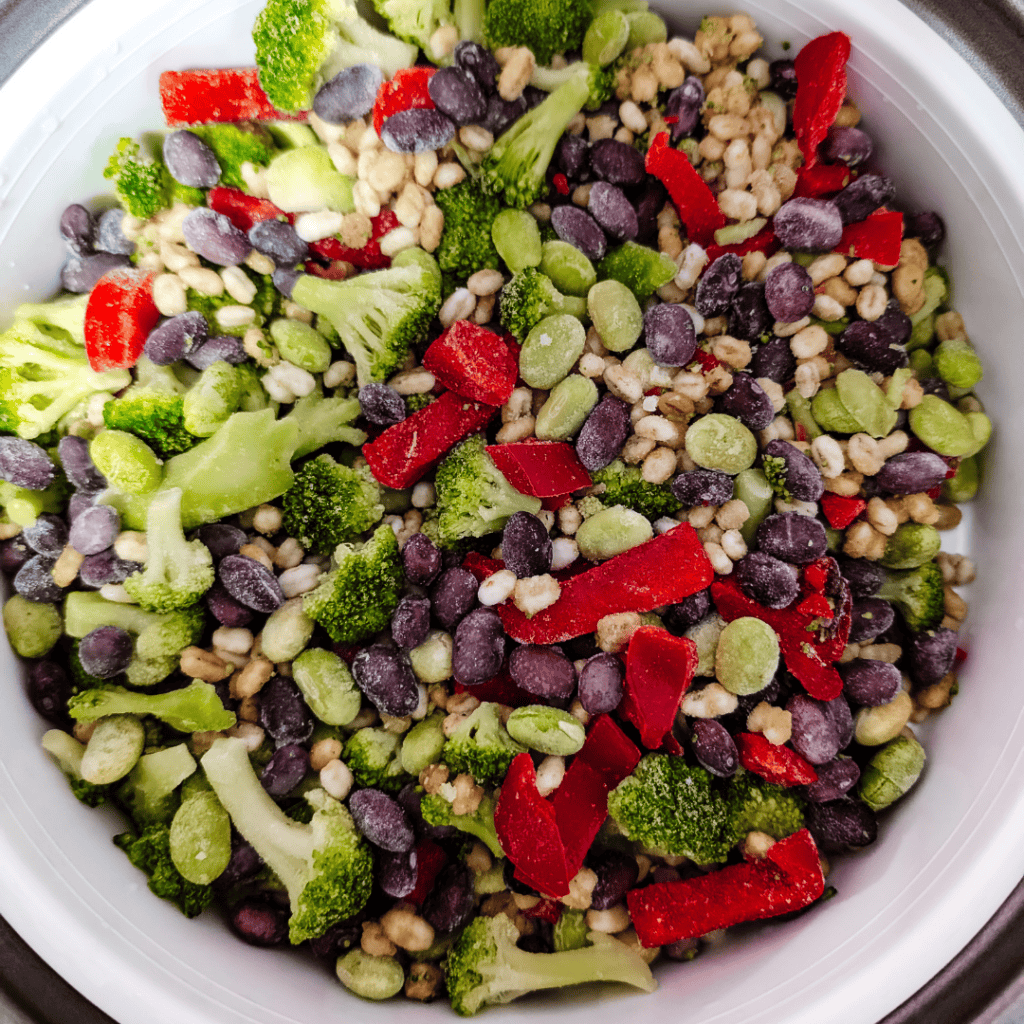
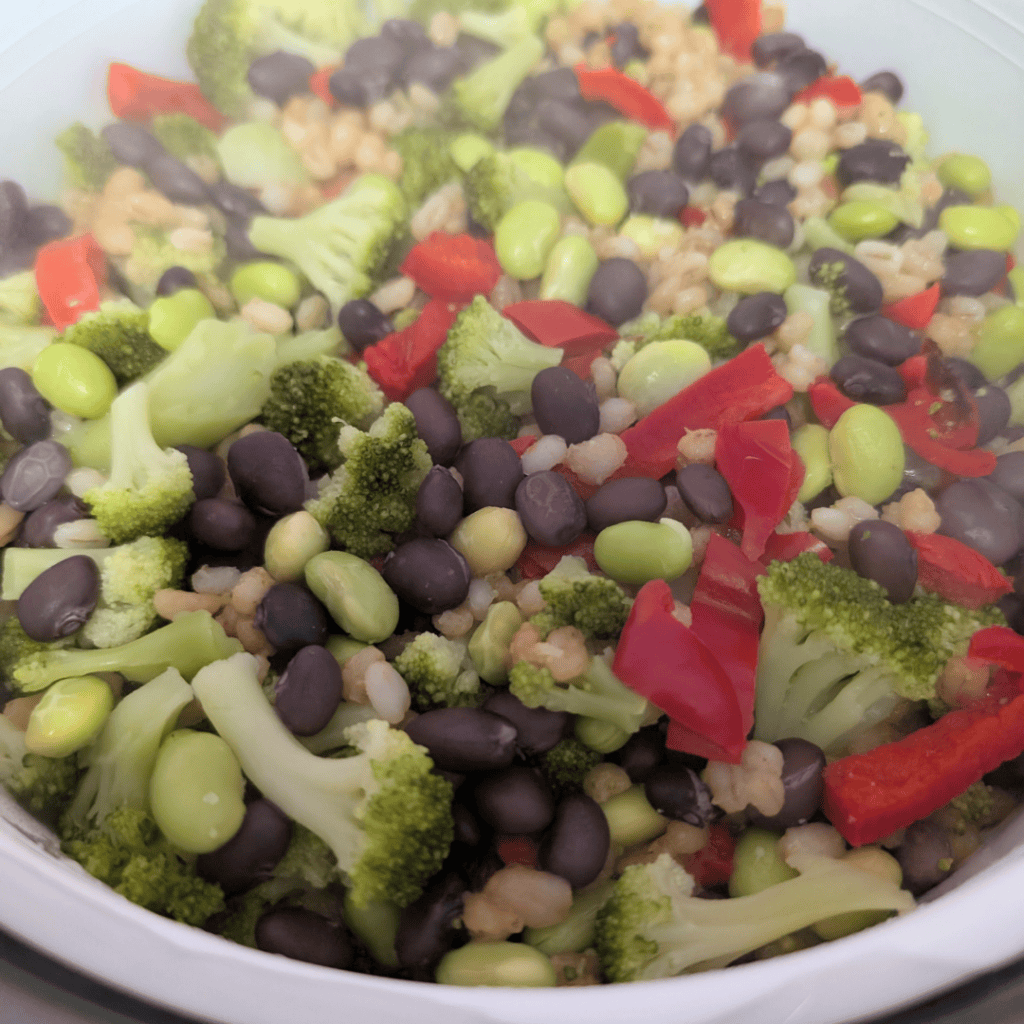
One of the features I use most often is the steaming insert. While cooking rice underneath, I regularly steam frozen vegetables at the same time to simplify dinner preparation. I have also used the steamer insert for homemade pork dumplings and vegetable dumplings. Vegetables steam well directly in the insert, although dumplings benefit from parchment paper or a liner because the wrappers can stick during steaming. The plastic steamer insert actually sticks less than some stainless steel steamer inserts I have used in saucepan-style steamers over the years.
Downsides of the Dainty Rice Cooker
The cooker uses a very simple cook setting without advanced programmable options. The biggest downside to the cooker is the lack of a true off switch. Once plugged in, the appliance remains powered, so I prefer unplugging it after cooking instead of leaving it connected continuously. The cooker sometimes switches itself into warming mode after the rice finishes cooking, although I still keep an eye on it because rice can eventually begin sticking around the edges or bottom if left warming too long. The simplicity of the cooker works particularly well for beginner home cooks.
There is also some steam release while cooking, and the cooker can occasionally spit or bubble slightly around the lid vent during larger or starchier batches of rice. This has never caused major problems for me, but it is something worth knowing before purchasing.
Cleaning and Long-Term Durability
The nonstick coating has still held up well after more than a year of regular use. Cleanup is simple using soap and warm water. If rice dries onto the bottom after sitting too long, I usually soak the insert briefly in the sink before wiping it clean once the rice softens again.
Is the Dainty Rice Cooker Worth Buying?
One of the reasons I initially purchased the cooker was because Dainty is a Canadian company. While the rice cooker itself is manufactured in China, many rice varieties sold by Canadian companies are sourced globally depending on the grain type and growing region. Different rice varieties simply grow better in different climates around the world. Canada is also known for wild rice production, which is very different from traditional white rice varieties. My aunt briefly experimented with growing wild rice in a marshy beaver pond area for a couple of years, although local wildlife like sandhill cranes seemed just as interested in the rice as the people were.
Overall, I think the Dainty rice cooker works particularly well for beginners, practical home cooks, students, or families who simply want consistent rice without paying for expensive advanced features. It may not have the sophistication of higher-end programmable rice cookers, but for reliable everyday rice and grain cooking, it has held up very well in my kitchen. I think this cooker works best for people who want reliable everyday rice without dealing with complicated settings or expensive premium appliances.
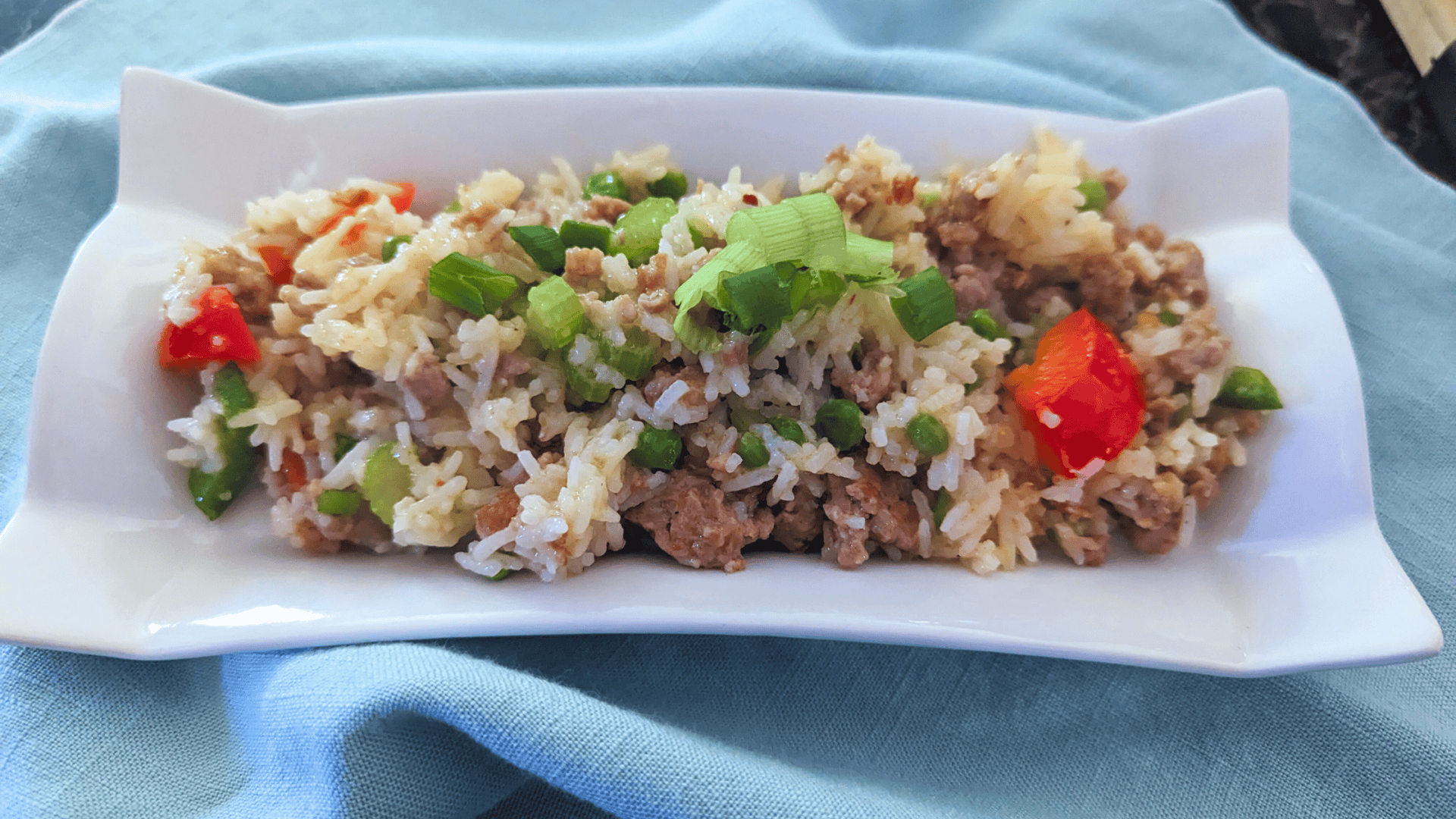
Rice cookers also make simple rice cooker meals easier because the rice can cook while preparing the rest of your meal. For meal ideas using rice cooker rice, try my Japanese Gyudon, Shrimp Fried Rice, or Sausage Fried Rice recipes. One of the easiest rice cooker meals is simply steamed frozen vegetables over rice with a splash of soy sauce as an inexpensive side dish.
FAQ About the Dainty Rice Cooker