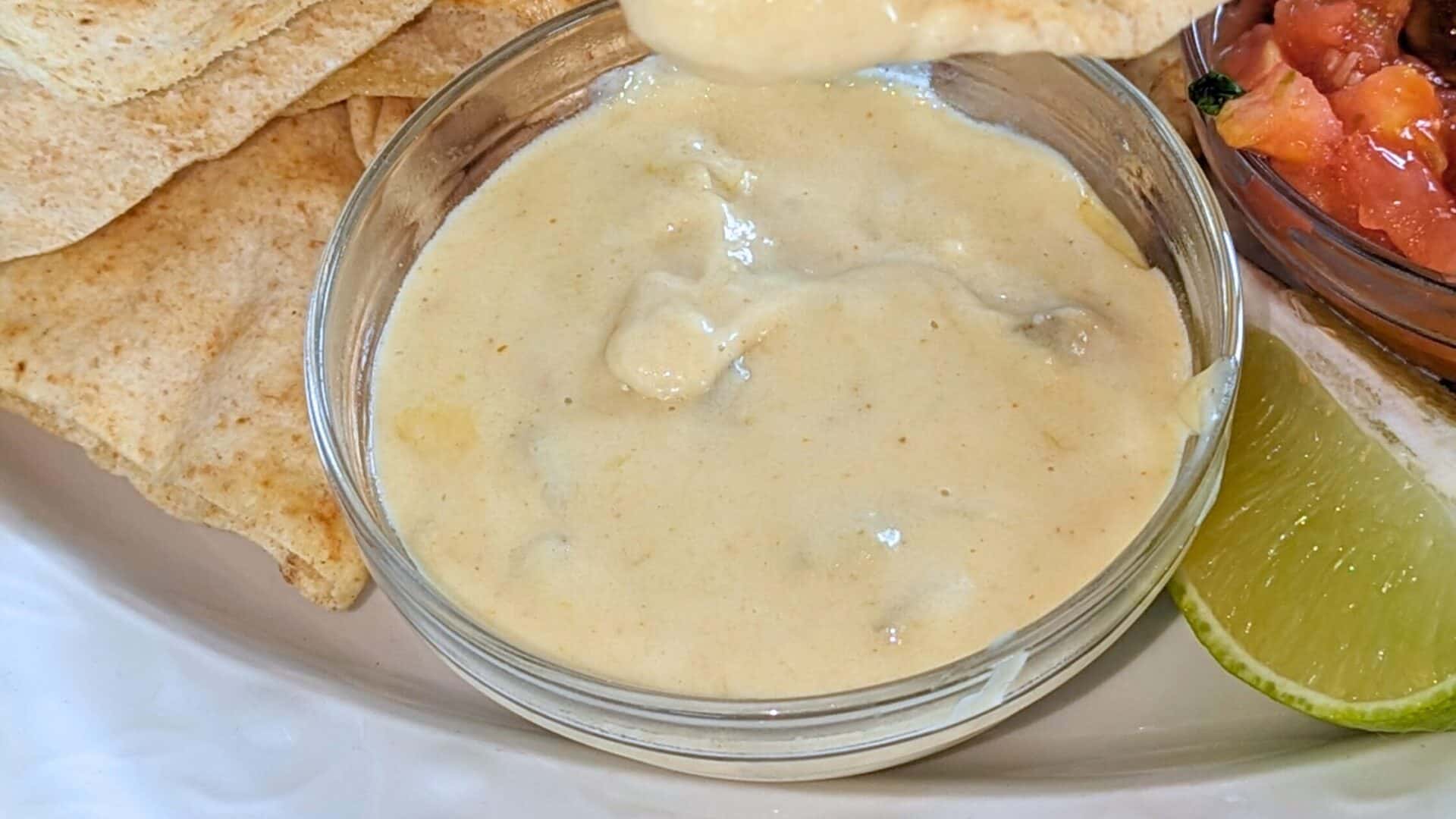
How to Cook Ribs in the Oven (Sticky Maple Glazed Ribs)
How to cook ribs in the oven comes down to using steady heat and giving the meat enough time to render and tenderize before finishing with a glaze. For perfect results every time, this method uses a two-stage oven process to cook the ribs fully and then caramelize the glaze. The full list of ingredients for this rib recipe is short, with the flavor coming mainly from the maple glaze as it cooks down.
The glaze used here is a simple stovetop sauce, similar to other homemade barbecue sauces on the site that build flavor through reduction rather than long cooking.
Most oven-baked ribs recipes use a dry rub and cook the ribs wrapped in foil for a longer period to create very tender, fall-off-the-bone ribs. This approach is different. Instead of a low and slow foil process, the ribs are roasted first and then finished with a thick maple glaze that creates a firmer, caramelized coating. These ribs are not fall-off-the-bone tender. Instead, they have a firmer bite with a caramelized exterior, which is different from slow-cooked oven ribs.
This method works well if you want ribs without a smoky flavor. Instead of relying on smoke or a grill, the flavor comes from the maple glaze as it caramelizes in the oven. The next time you’re working with a rack of ribs and want something different from traditional barbecue, this is an easy way to change up the flavor. The ribs are cooked on a rack first to release fat, then cut and finished in a pan with a reduced maple glaze that thickens as it cooks.
In Canada, this kind of recipe makes sense around maple syrup season in early spring. When you’ve got good syrup on hand, it’s worth using it in something like this where the flavor doesn’t come through subtly—it actually carries the whole dish.
To cook ribs in the oven, place them on a rack and roast at a lower temperature to start, then finish at a higher temperature with a glaze to caramelize the outside and build flavor. This is not a slow cook method. It’s a good option when you want ribs without spending hours in the oven, since most oven-baked rib recipes rely on long, low cooking times. This one is much more straightforward. Unlike many oven-baked ribs recipes, this method does not use aluminum foil. The ribs cook uncovered the entire time, which allows the glaze to caramelize properly.
The glaze used in this method behaves more like a soft caramel than a traditional barbecue sauce. It thickens quickly when boiled and becomes sticky, so it needs to be watched carefully to avoid overcooking. Keeping it thick but still spreadable makes it easier to coat the ribs evenly before baking. You can find the full maple glaze recipe used here in a separate post if you want to make it on its own.
Cost Rating: 🍳🍳🍳 3 Pan — Moderate to Higher Cost
Cost guideline:
Cost Per Batch: ~$24–$28
Cost Per Serving: ~$5–$7 (based on 4–5 servings)
Pork ribs are the main cost driver in this recipe. A package of two half racks typically runs around $16 in Canada, depending on the cut and store.
Maple syrup is the other major factor. Pure maple syrup is used here, not artificial syrup, and a small jar (about one cup) can cost around $10. It’s important for both the flavor and how the glaze forms, so it’s not something you want to substitute.
The remaining ingredients are pantry staples like spices, vinegar, and sauces that are often already on hand.
Because this recipe uses real maple syrup and a full portion of ribs, it falls into a moderate to higher cost range, but it still provides a solid number of servings for a main dish.

Why You’ll Love This Method
Oven-based cooking: This method shows how to cook ribs in the oven without needing outdoor equipment.
Different from typical tender ribs: These are not fall-off-the-bone or overly soft. Instead, they stay juicy with a slightly firmer bite and a caramelized exterior.
Caramelized exterior: The glaze creates a slightly chewy, flavorful crust while still giving you juicy ribs underneath.
Simple process: This is an easy recipe that skips the long, foil-wrapped cooking process and keeps things straightforward.
Budget Tip
Buying ribs in larger packs or when they are on sale can help reduce overall cost, especially since this recipe uses two full racks of ribs.
During maple syrup season, buying locally or in larger quantities can sometimes lower the cost per batch, especially if you plan to use it across multiple recipes.
If you’re still building your pantry, having basics like vinegar, spices, and sauces on hand makes recipes like this much easier to pull together.
How to Cook Ribs in the Oven
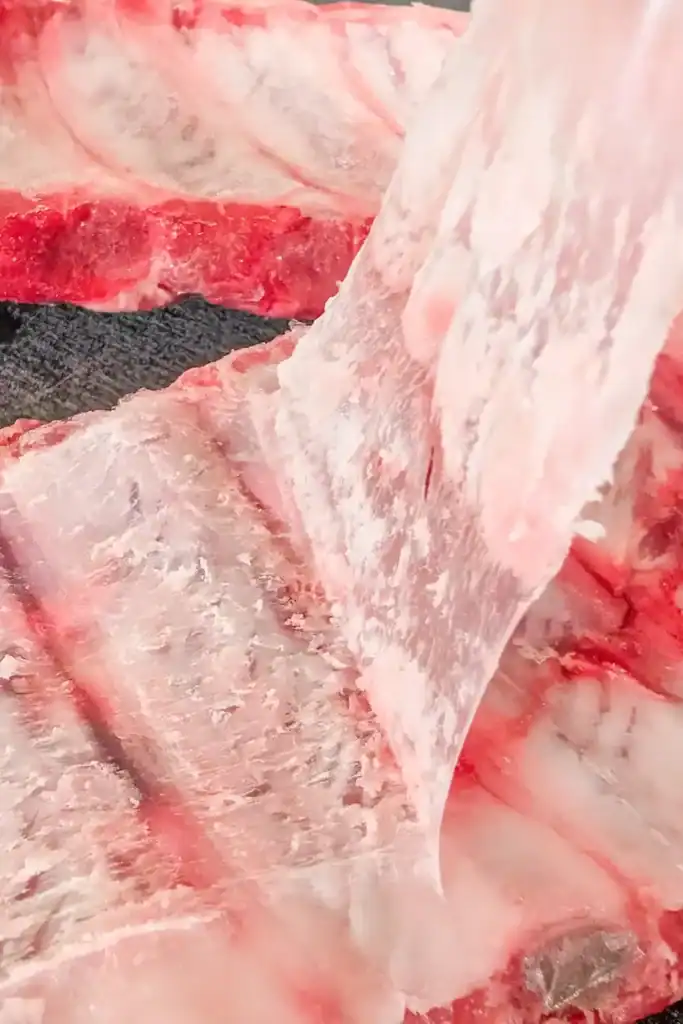
Before cooking, remove the membrane from the back of the ribs if it is still attached. If you’re unsure how to do this, you can follow the step-by-step method in this guide.
Start by patting the ribs dry with paper towel before placing them on the rack to help them roast more evenly. Place the ribs on a wire rack set inside a baking sheet with sides to catch the rendered fat as they cook. If you don’t have a rib rack, a standard wire rack works just as well. Lay the ribs flat and leave a bit of space between each rack so they are not touching, which helps them roast more evenly while keeping the rendered fat contained. Place the ribs in the oven at 325°F and roast for 30 minutes.

While the ribs are cooking, prepare the glaze. Combine maple syrup, sriracha, apple cider vinegar, Worcestershire sauce, finely chopped onion, salt, dry mustard powder, and black pepper in a saucepan.


Bring the mixture to a boil and cook for about 5 minutes. As it boils, it will begin to thicken and take on a texture similar to a soft caramel. You’ll know the glaze is ready when it coats the back of a spoon and doesn’t run easily.


Be careful not to overcook the glaze. If it boils too long, it can move past a soft caramel stage and become too thick to spread easily.
Remove the ribs from the oven and use a sharp knife to cut them into 2–3 rib sections, slicing straight down between the bones. Place them into a 9×13 pan.

Spoon the glaze over the ribs, coating both sides as evenly as possible. The glaze will be thick, so it will need to be spread rather than brushed.
Return the ribs to the oven uncovered at 375°F and bake for 1 hour. Halfway through cooking, you can baste them with the juices from the pan.
As the ribs cook, the glaze will loosen slightly from the rendered fat and juices, then settle into a sticky coating that clings to the meat.

Watch the edges toward the end of cooking. The sugar in the maple syrup can darken quickly and may burn if left too long. The ribs are done when the edges are caramelized and the meat has tightened slightly around the bone. If you’re checking for doneness with a thermometer, the internal temperature should be at least 190–200°F. At this point, the connective tissue has broken down enough for the ribs to be cooked through, even though this method produces a firmer texture rather than fall-off-the-bone meat. You can also check by slicing between the bones. The meat should be cooked through and slightly pulling back from the bone. Total cooking time is about 1 hour 30 minutes, including the initial roast and final glaze stage.
For the best results, serve immediately while hot. The glaze will be very hot, so allow a moment before eating.
Ingredients
This recipe uses a small group of ingredients to create a thick glaze and a firm oven-cooked rib.
Ribs: This recipe uses pork ribs. In most Canadian grocery stores, you’ll typically find them sold as full or half racks rather than being heavily labeled as baby back or spare ribs. This method works with what’s commonly available. St. Louis-style ribs are simply trimmed differently, but the cooking method remains the same.
Maple syrup: Forms the base of the glaze and creates the caramelized coating.
Sriracha: Adds mild heat and balances the sweetness.
Apple cider vinegar: Adds acidity and cuts through the richness.
Worcestershire sauce: Adds depth and a savory note.
Onion: Softens during cooking and adds texture and flavor.
Salt: Enhances the overall flavor.
Dry mustard powder: Adds a subtle sharpness.
Black pepper: Adds mild heat.

Substitutions and Add-Ins for Oven Baked Ribs
This recipe is not highly flexible because the glaze depends on the balance of sugar and liquid.
Ribs: This method works with standard pork ribs sold in full or half racks. While different cuts like spare ribs or St. Louis-style ribs may be labeled differently, the cooking process remains the same. Cooking time may vary slightly depending on thickness, but the method stays consistent.
Maple syrup: This is essential and should not be substituted, as it forms the glaze.
Sriracha: Can be replaced with another hot sauce, though flavor will change.
Apple cider vinegar: Can be swapped with another mild vinegar.
Worcestershire sauce: Adds depth and can be replaced with a similar savory sauce.
Onion: Can be finely minced more if you prefer less texture.
Expert Tips, Serving and Storing Suggestions
Tip #1: Do not overboil the glaze. It should be thick and sticky but still spreadable.
Tip #2: Expect a firm texture. These ribs are not fall-off-the-bone and will have a slightly chewy exterior.
Tip #3: Coat the ribs well. The glaze is thick, so take time to spread it evenly.
Tip #4: Watch for burning. The sugar content can cause edges to darken quickly near the end.
Serve immediately for the best texture. The glaze will firm up as it cools. These ribs pair well with simple sides like mashed potatoes or roasted potatoes, especially when you want something to balance the sweetness of the glaze. These ribs also go well with simple sides like potato salad, especially in warmer weather when grilling isn’t an option.
If you do have leftover ribs, they store well in the refrigerator for up to three days. They can be easily reheated in the oven but be careful not to overbake or the meat can dry out.. A general rule of thumb for great results is 10-15 minutes at 350F.
FAQ

How to Cook Ribs in the Oven (Sticky Maple Glazed Ribs)

Equipment
- baking sheet with sides
- Wire Rack that fits baking sheet
- knife
- Basting Brush
- Saucepan
Ingredients
- 2 Racks Ribs
- 1 Cup Maple Syrup Pure Only
- 1 Tbsp Sriracha Sauce
- 1 Tbsp Apple Cider Vinegar
- 1 Tbsp Worcestershire Sauce
- 2 Tbsp Onion Powder
- ½ Tsp Salt
- ¼ Tsp Dry Mustard Powder
- ½ Tsp Black Pepper
Instructions
- Preheat oven to 325℉
- Remove the membrane from the back of the ribs if needed, then pat dry with paper towel.2 Racks Ribs
- Place the ribs on a wire rack set inside a baking sheet with sides. Lay them flat and leave space between each rack.
- Bake at 325°F for 30 minutes.
- While the ribs cook, combine maple syrup, sriracha, apple cider vinegar, Worcestershire sauce, onion powder, salt, dry mustard powder, and black pepper in a saucepan.1 Cup Maple Syrup, 1 Tbsp Sriracha Sauce, 1 Tbsp Apple Cider Vinegar, 1 Tbsp Worcestershire Sauce, 2 Tbsp Onion Powder, ½ Tsp Salt, ¼ Tsp Dry Mustard Powder, ½ Tsp Black Pepper
- Bring to a boil and cook for about 5 minutes, until thickened to a soft caramel consistency that coats the back of a spoon.
- Remove ribs from the oven and use a sharp knife to cut into 2–3 rib sections by slicing between the bones.
- Place ribs in a 9×13 pan and spoon the glaze over both sides, spreading evenly.
- Return to the oven uncovered at 375°F and bake for 1 hour, basting halfway through if desired.
- Ribs are done when edges are caramelized and internal temperature reaches 190–200°F.
- Serve hot. The glaze will be very hot and sticky.
Notes
Notes
- Do not overboil the glaze or it will become too thick to spread.
- This method produces juicy ribs with a firm, caramelized exterior, not fall-off-the-bone texture.
- The glaze creates a slightly chewy, flavorful crust as it bakes.
- Watch closely near the end of cooking to prevent burning.
- Reheat leftover ribs gently in the oven to avoid overcooking the glaze.
Nutrition