What Is Maple Sugar? How It’s Made and How to Use It
If you’ve ever tried using maple syrup in baking or ice cream and had to adjust for the extra moisture, maple sugar solves that problem.
Maple sugar is one of those ingredients that sounds a little niche until you actually use it. Pure maple sugar is made from maple syrup that’s been cooked down until it crystallizes into a dry, granulated sugar. It starts as maple tree sap, collected and boiled down into syrup before reaching that final crystallized form. The finished product has no additives or blending, just concentrated maple.
If you’ve only ever used maple syrup, maple sugar gives you the same flavor in a form that behaves more like regular sugar in the kitchen. That makes it surprisingly useful for baking, desserts, and even a few savory dishes.
What Maple Sugar Actually Is
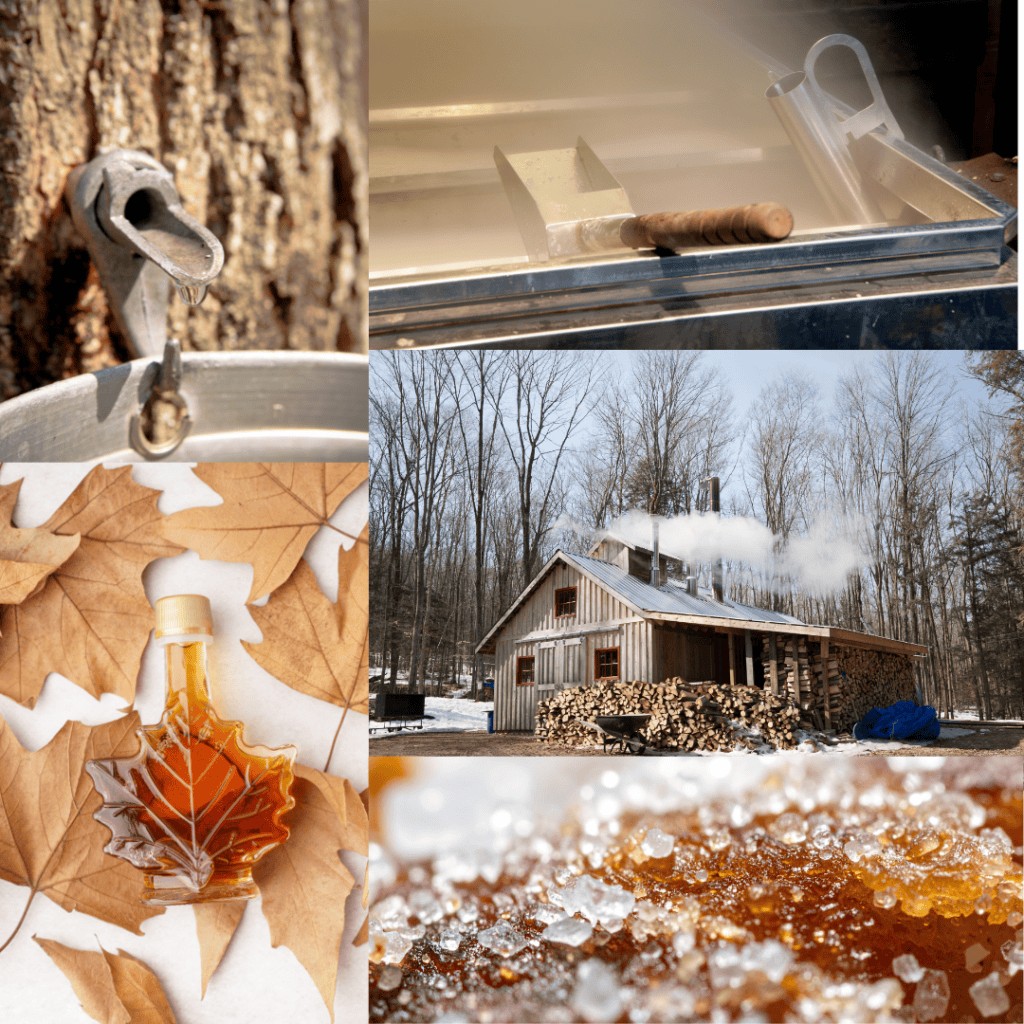
Maple sugar starts the same way as maple syrup, from the clear sap of sugar maples collected during maple season. For us here in Northern Ontario that generally means early spring when the sap flow is highest.
It takes gallons of maple sap to produce even a small amount of finished sugar. In many cases, it can take dozens of gallons of sap to create just a small amount of maple sugar.
Maple sugar starts with sap collected from sugar maples in early spring. That sap is boiled down in an evaporator until it becomes maple syrup, then heated further, removed from the heat, and stirred until it crystallizes into sugar.
Growing up, we’d walk across the hayfield to my uncle’s sugar bush, step into the sugar shack where sap was always boiling, help collect the buckets, and drink tea sweetened with it while the air was thick with that warm maple smell. It wasn’t something separate from everyday life, just part of the season.
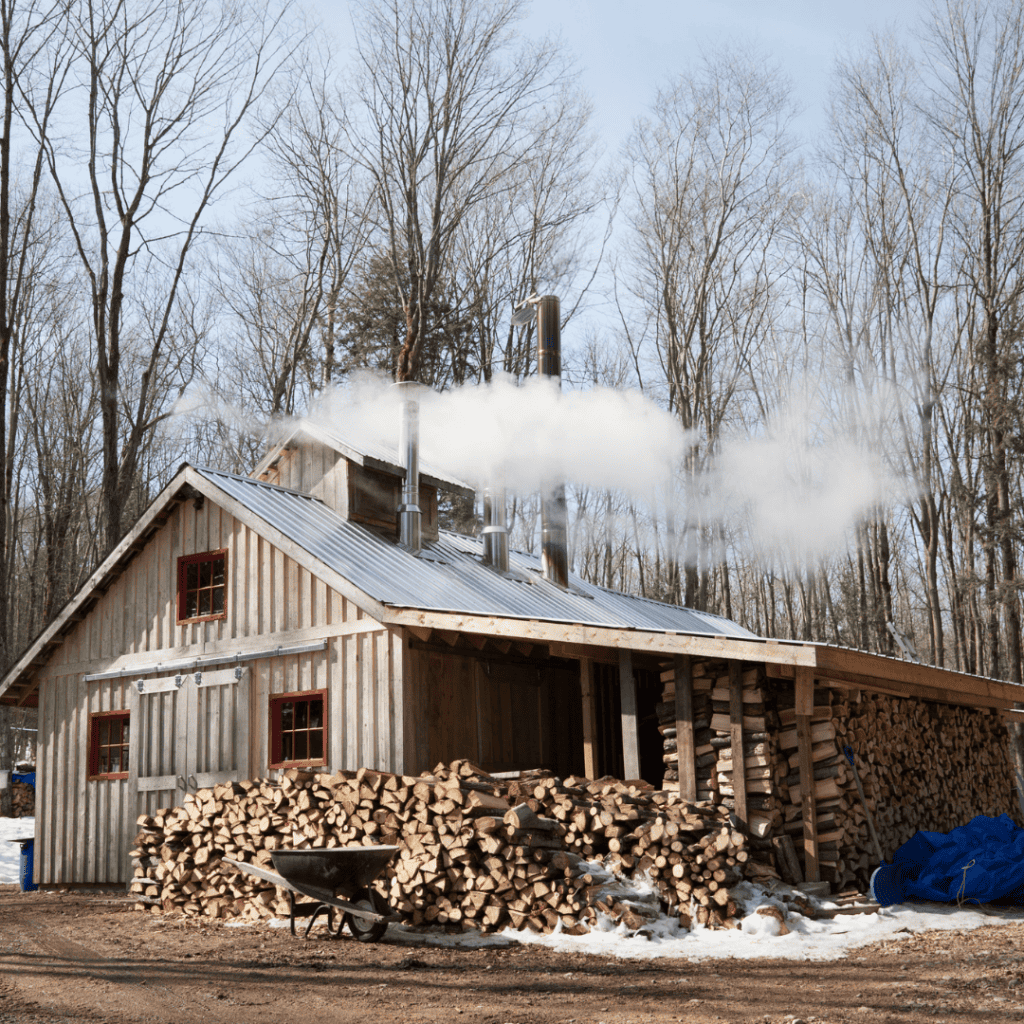
That’s where maple sugar comes from, just taken one step further.
What Maple Sugar Tastes Like
Maple sugar has a deeper, rich maple flavor, with a slightly more subtle maple flavor than syrup in some baked goods.
It’s:
- richer
- slightly caramel-like
- more concentrated
Because there’s no added moisture, the flavor comes through more directly in baking. You don’t get the dilution you sometimes get with syrup.
Maple Sugar vs Maple Syrup
This is where most people get tripped up.
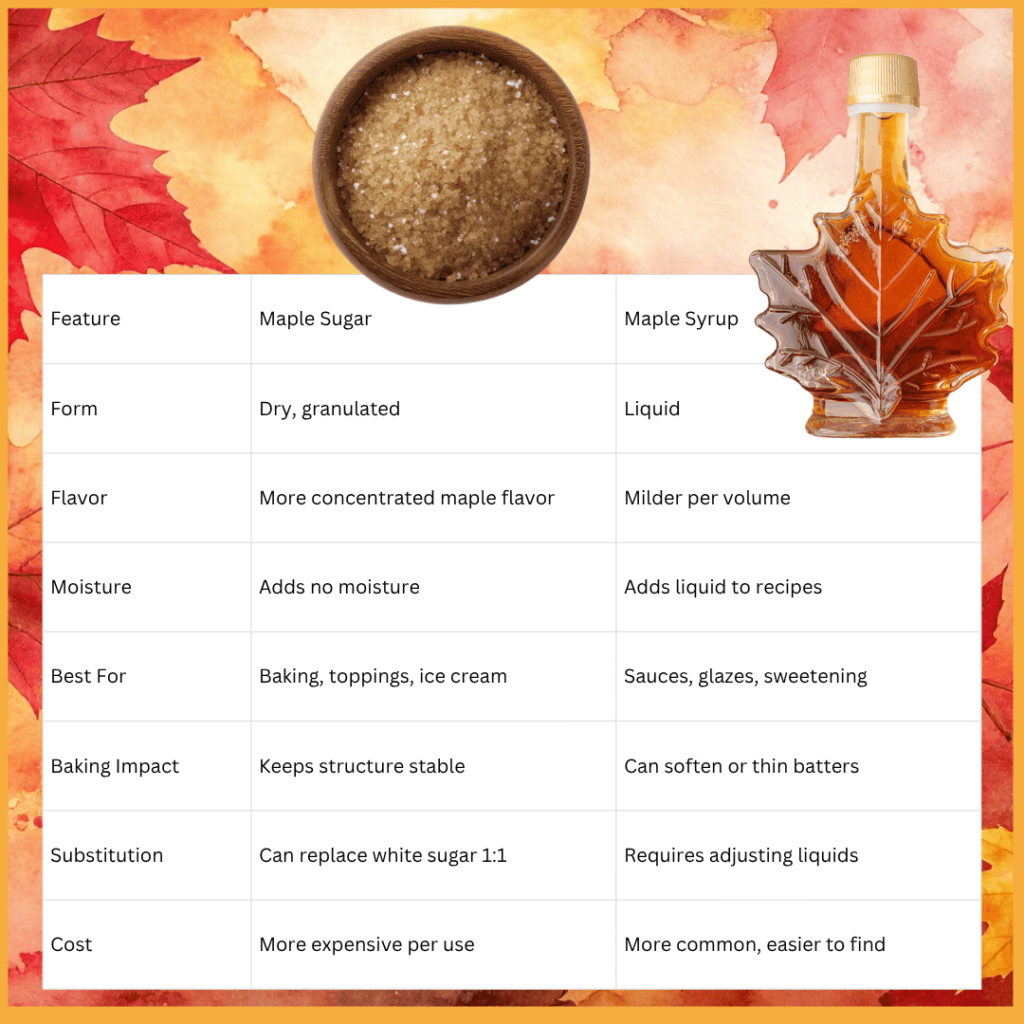
Maple sugar and maple syrup come from the same source, but they behave very differently in cooking. Unlike white sugar or cane sugar, maple sugar brings that flavor without adding moisture the way liquid syrup does.
Maple Sugar
- dry
- can be used like granulated sugar
- doesn’t add moisture
- more concentrated flavor
Maple Syrup
- liquid
- adds moisture
- can change texture in baking
- slightly lighter flavor per volume
They’re not always interchangeable, especially in baking. Swapping syrup for sugar usually means adjusting other liquids in the recipe.
How to Use Maple Sugar in Cooking
This is where maple sugar really earns its place.
Baking
It works especially well in baking where you want maple flavor without adding extra liquid. Even in recipes like my maple donuts, where I use maple syrup and maple crunchies, the difference between liquid and dry maple ingredients really shows in the final texture.
This natural product can often be used in place of white or brown sugar in:
- muffins
- cookies
- quick breads
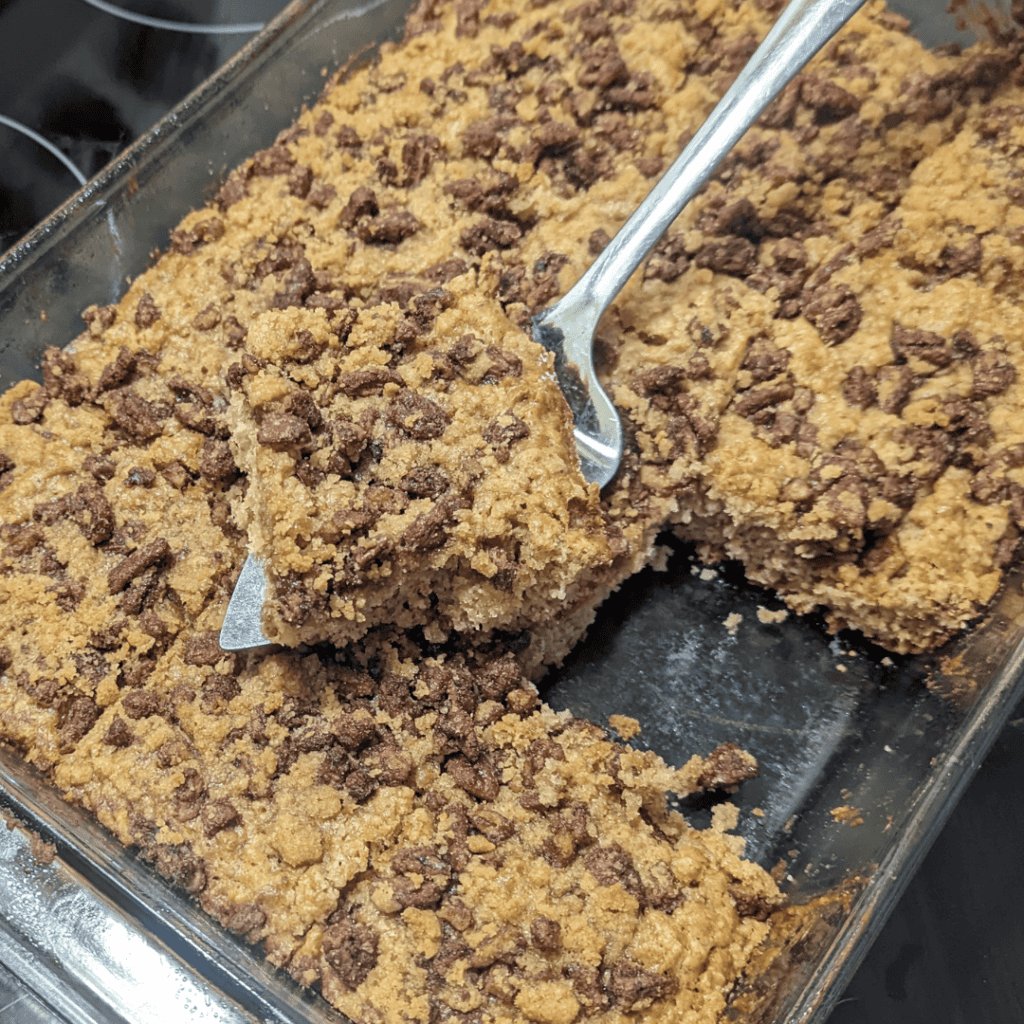
It adds a deeper flavor without changing the structure too much. It works especially well in recipes like my Easy Banana Maple Coffee Cake with Candied Pecan Streusel, where you want that maple flavor to come through without adding extra moisture.
Ice Cream (Especially Ninja Creami Recipes)
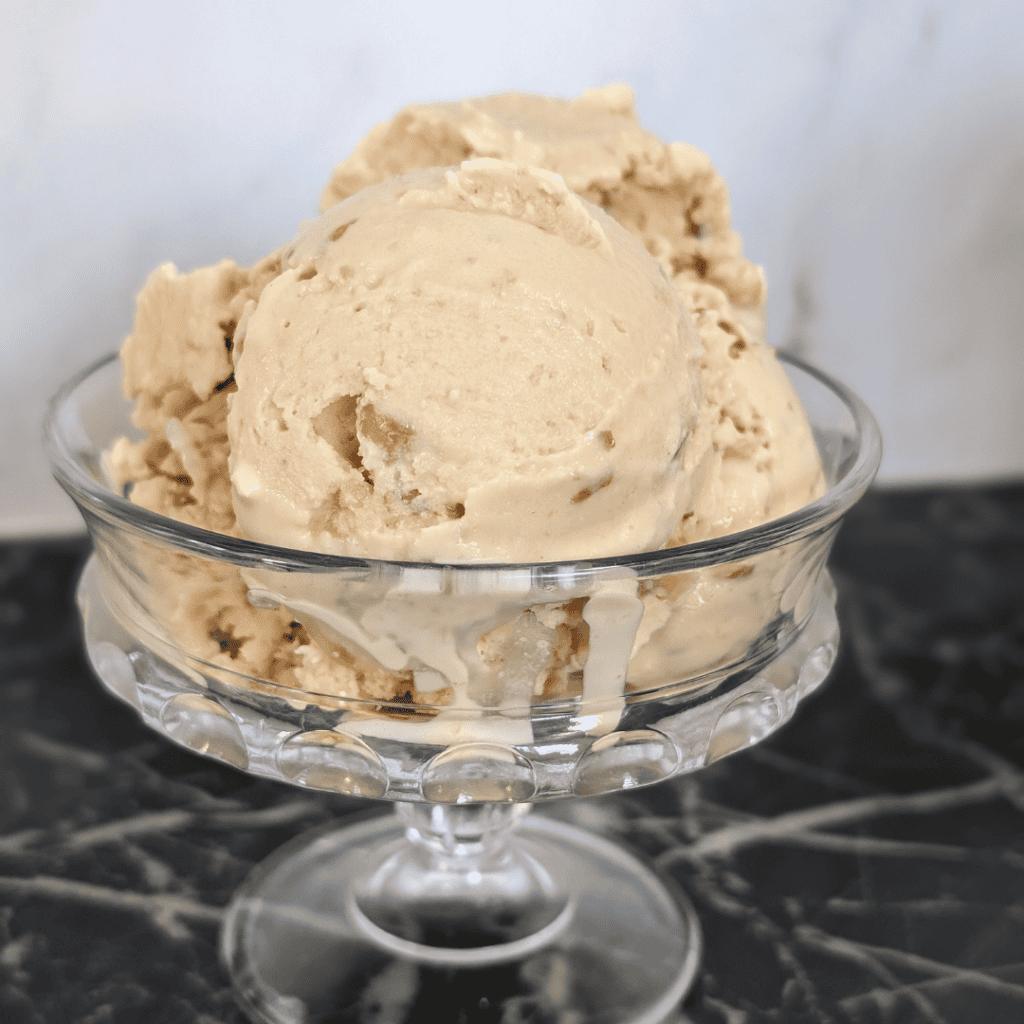
Maple sugar works especially well in ice cream recipes where texture really matters.
If you’ve ever tried using maple syrup in ice cream, you’ll notice it can soften the texture more than expected. Maple sugar avoids that while still bringing in that maple flavor.
It works especially well in something like a maple walnut ice cream where you want the flavor to come through cleanly.
Toppings
Because it’s dry, maple sugar is great for:
- oatmeal
- toast
- yogurt
- donuts
It gives you that maple hit without making things soggy.
Can You Substitute Maple Sugar for Regular Sugar?
In many cases, yes.
You can often substitute maple sugar 1:1 for white sugar. Since maple sugar has a high sugar content, it behaves similarly to granulated sugar in many recipes.
But there are a couple things to keep in mind:
- it will change the flavor (more depth)
- it’s more expensive
- it doesn’t behave exactly like brown sugar (no added molasses)
So it works best when you actually want that maple flavor to come through.
Is Maple Sugar Worth It?
This really depends on how you cook.
Maple sugar is also a more expensive ingredient, which comes down to how it’s made. It takes a large amount of maple tree sap and time to produce a relatively small amount of finished sugar, so it’s not something most people use as an everyday sweetener.
Maple sugar is worth it when:
- you want a true maple flavor in baking
- you don’t want to adjust liquid ratios
- you’re working with recipes where texture matters
It’s probably not worth it for:
- everyday sweetening
- large batch baking where cost adds up
- recipes where maple flavor would get lost
It’s more of a purposeful ingredient than a pantry staple.
How Maple Sugar Is Made (Simple Version)
Maple sugar is produced by maple producers during maple season, using sap collected from sugar maples and boiled down until enough water evaporates to form maple syrup, then cooked further until it crystallizes into sugar, a process outlined by maple producers associations like the Ontario Maple Syrup Producers Association.
The process is straightforward, just time-intensive.
- Sap is collected from maple trees
- It’s boiled down into maple syrup
- The syrup is cooked further until it reaches a higher temperature
- As it cools and is stirred, it crystallizes into sugar
It takes a surprising amount of raw sap to get there, often gallons of sap for a small amount of sugar. That’s it. No additives, no shortcuts.
How to Store Maple Sugar
Because maple sugar is a dry, low-moisture product, it’s generally shelf-stable and doesn’t have the same food safety concerns as table syrup.
Maple sugar should be stored:
- in an airtight container
- in a dry place
It can clump slightly over time, especially if exposed to humidity, but it’s still usable.
FAQ
Final Thoughts
Maple sugar isn’t something you need for everything, but when you use it intentionally, it makes a difference.
It gives you a way to bring real maple flavor into your cooking without changing the structure of a recipe. That alone makes it worth keeping around for the right dishes.
And if you grew up anywhere near a sugar bush, you already know it’s more than just another sweetener. It’s part of a whole process that starts long before it hits the kitchen.