
Strawberry Season Over Time (Picking, Storing, Enjoying)
It is easy to forget that strawberries were once considered a fleeting seasonal fruit in many parts of Canada and the northern United States. Strawberry season typically begins in spring and early summer depending on climate and growing region. In warmer southern areas strawberries may arrive as early as March or April, while northern regions like Northern Ontario often see much shorter harvest windows later in summer.
Strawberry season once played an important role in many households because fresh strawberries spoiled quickly before refrigerators and freezers became common. Families often planned around short harvest windows by turning berries into jam, desserts, and preserved fruit for later use.
Growing up off-grid in Northern Ontario before my family eventually had electricity and a freezer, strawberry season was something families paid close attention to because it did not last long. Fresh berries spoiled quickly in the summer heat, which meant they had to be eaten fresh, baked into desserts, or preserved almost immediately before they softened or molded.
Back then, strawberry season was not simply about dessert. It was about timing, preserving food for later, stretching ingredients, and making the most of a short harvest window while it lasted. Seasonal fruit once shaped how families planned meals, preserved food, and stretched ingredients through the year in ways many people no longer think about today.
Why Strawberries Were So Seasonal
Cold-winter climates like where I was growing up in Northern Ontario meant strawberry season felt especially fleeting. In our area the growth zone was considered Zone 4b, though I recently learned the updated government map now places it closer to Zone 5. While that opens the door for different cultivars and longer growing possibilities today, strawberry season back then still felt incredibly short. Cultivated strawberry plants were also still relatively new in the area at the time.
Unlike apples or root vegetables, June-bearing strawberries had very little staying power before refrigeration. Once fully ripe, they bruised easily, softened quickly, and often needed to be eaten, baked with, frozen, or preserved within a day or two during hot summer weather.
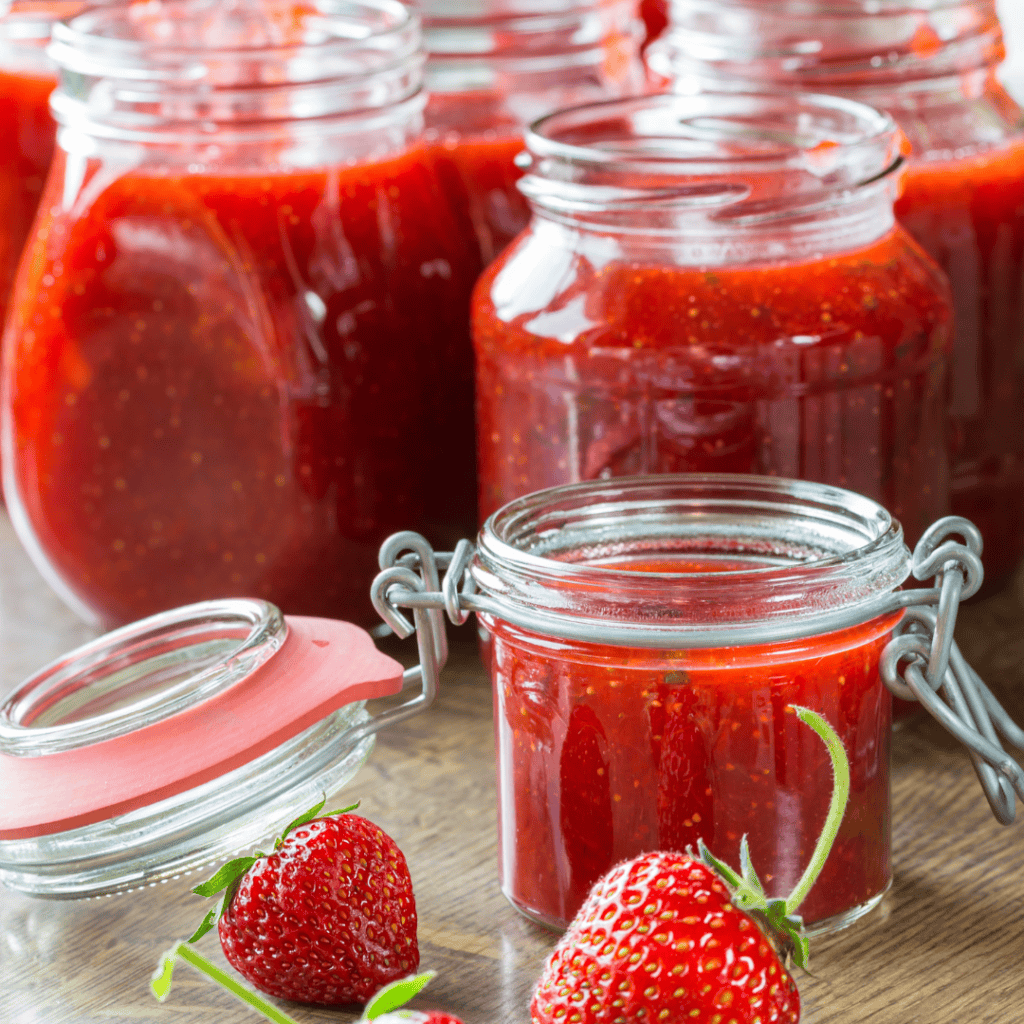
We only had a few brief weeks for picking before the season rolled quickly into raspberry season.
Part of what made strawberry season feel so important was how temporary it was. Once the berries disappeared, you waited another entire year for fresh local strawberries again. People paid close attention to the weather because a stretch of rain could soften berries or encourage mold, while extreme heat could shorten the picking season almost overnight.
Birds seemed to know exactly when berries were ripe too. Between wildlife, weather, and the speed at which strawberries spoiled once picked, the season often felt like a race against time.
A poor berry season meant fewer jars of jam put away for later, while a good season meant enough preserved fruit for toast, desserts, and baking long after summer ended.
How To Tell When Strawberries Are Truly Ripe
A strawberry begins small and pale before gradually swelling and turning red as it ripens. Wild strawberries naturally stay much smaller than cultivated berries, while modern farmed strawberries and greenhouse cultivars have often been selected to produce larger fruit with fewer seeds and better shipping durability.
Water also plays a major role in how strawberries develop. Dry growing seasons can produce smaller, seedier berries, while irrigated farm berries are usually plumper and juicier because they receive more consistent moisture during growth.
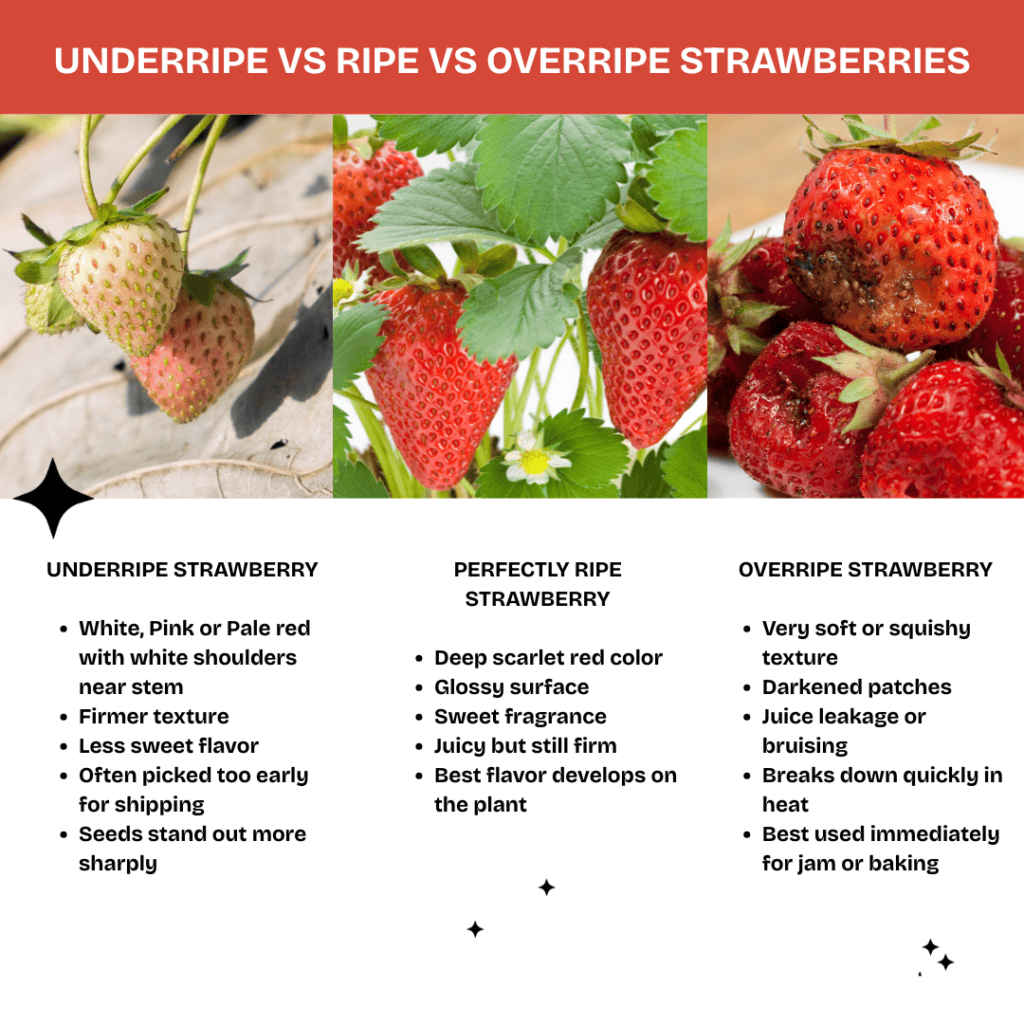
A properly ripened strawberry should be scarlet red, glossy, and fragrant. Underripe berries often still show pale or white coloring near the stem end, while overripe berries become soft and squishy very quickly once picked.
Sometimes the sweetest local strawberries are not the prettiest ones either. Smaller berries often carried far more flavor than the oversized grocery store ripe berries bred mainly for appearance and shipping.
Peak Strawberry Season In Northern Ontario
In Northern Ontario, strawberry picking season often stretched from June into early July depending on the weather conditions, the location of the berry patches, and how quickly the summer heat arrived.
Even today, many local berry farms still experience relatively short peak picking windows compared to warmer growing regions farther south. A stretch of extreme heat, heavy rain, or humid weather can still shorten the best picking days surprisingly quickly during strawberry season.
Morning picking was often easier on the berry picker because the cooler temperatures made working in the fields far more comfortable than standing in the high afternoon sun. The downside was the mosquitoes. Northern Ontario mosquitoes seemed to love nothing more than a human bent over in a berry patch on a cool damp morning.
Wild Strawberry Picking In My Aunt’s Hayfield
Strawberry picking season always seemed to arrive all at once alongside hot weather. Once the hay was cut, we knew it was time to break out the berry baskets.
My sister and I used to pick wild strawberries in the hot sun in our aunt’s hayfield beside our house. Mom would send us out with a large wooden berry basket we had to fill with tiny berries for jam making later.
The cut hay prickled our bare knees as we crawled through the grass picking warm little berries one at a time. “One for the basket, two for the mouth” was my personal rule, even though traditionally it was supposed to be the other way around.

Whenever we walked to our friends’ houses, little red wild strawberries grew along the ditch at the side of the road. It was hard not to stoop down and sample a few as we passed by.
Looking back, little kids were probably ideal for wild strawberry picking because we were small enough to crouch close to the ground for hours in the berry patch without our backs giving out the way an adult’s probably would.
At the time, grocery store strawberries felt enormous compared to the tiny wild berries we picked ourselves. Those big juicy berries did not really fit into our family’s food budget very often, though eventually my mother tried planting strawberries beside the greenhouse attached to our house.
I still remember how excited she was when the plants finally produced a couple of plump berries of our own.
Where Wild Strawberries Often Grow
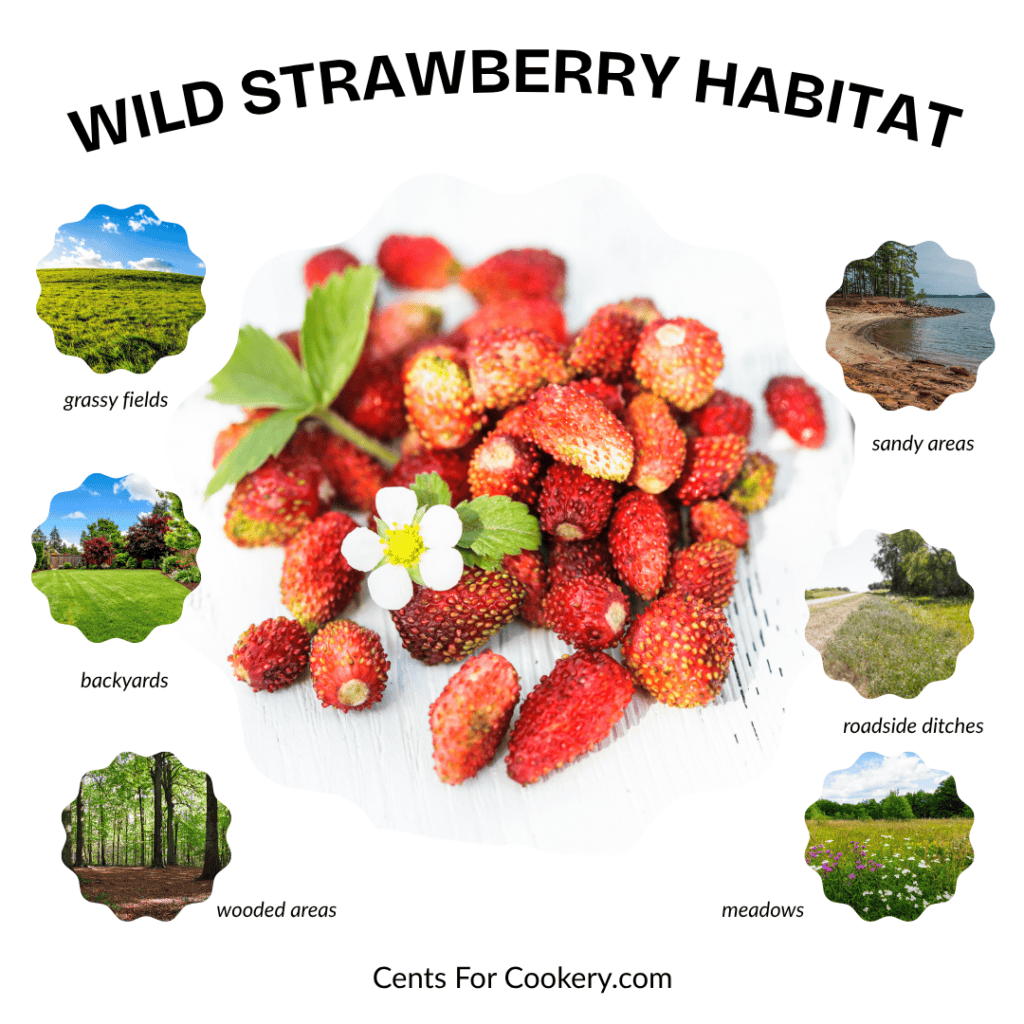
Wild strawberries rarely grow in neat rows the way cultivated berries do. In many rural areas, they often appeared in places people learned to notice over time.
Common places people found wild strawberries included:
- old hayfields and field edges
- roadside ditches
- sunny grassy clearings
- abandoned pasture land
- fence lines
- open patches near tree lines
- areas with good sun and lighter soil
Because wild strawberries grow low to the ground and produce very small fruit, picking them usually took patience and careful searching.
Once you learned how to spot them, though, you started noticing wild strawberries everywhere during strawberry season.
Why Families Preserved Strawberries So Quickly
Preserving strawberries was not simply a charming summer tradition. It was hot, sticky work that often needed to be done quickly before the berries spoiled in the heat.
Strawberry season often meant working quickly before the fruit turned soft or molded. Once berries were picked, they had to be sorted, cleaned, preserved, or baked with almost immediately.
The topping and tailing during the summer months felt endless. Small hands were ideal for pinching the little hairy green tops from wild strawberries, though as a child I sometimes thought it was downright cruel punishment.
We would pick in the heat until the berry basket was nearly overflowing, only to lose half the volume while cleaning them. A three-litre basket almost full of tiny wild berries barely made two or three small jars of jam, which is partly why people stretched strawberries into desserts, preserves, and baking whenever they could.
But oh, the taste of that deep red, seed-filled spread.

Jam making itself was one of the best ways to preserve seasonal fruit before freezers became common. Homemade strawberry jam could brighten toast, biscuits, bread, and simple desserts during the colder months when fresh fruit was unavailable.
Sugar was expensive for many families, but it helped preserve fruit and stretch a short harvest much further into the year. Freezing strawberries later became one of the easiest ways to preserve excess berries once freezers became common in homes.
Preserving Strawberries And Jam Making Traditions
Jam-making traditions often varied from household to household depending on berry varieties, texture preferences, and family habits.
I remember visiting the family of one of my father’s coworkers and overhearing my mother talking with his wife while they worked in the kitchen.
His wife complained that her husband hated the seeds in wild strawberry jam, so she strained the cooked berries through a sieve before jarring it.
Even as a child, I thought of all the work behind those tiny berries and what a waste it seemed to remove those crunchy little seeds.
The jam making itself never bothered me nearly as much because my mother did most of the work once the berries were picked and cleaned. I would disappear outside to play until it was time for her to skim the pink foam from the bubbling jam pot.

Somehow I always managed to wander back into the kitchen at exactly the right moment. She would save the warm strawberry foam in a little bowl beside the hot jam jars, and I would happily eat my fill with a spoon while the kitchen smelled of simmering strawberries and sugar and steam fogged the windows above the counters.
My mother usually made her strawberry jam with liquid Certo. I still remember the little glass bottles sitting beside the sugar and steaming jars on the counter during strawberry season. These days pectin usually comes boxed, but back then the liquid version seemed to appear in kitchens everywhere once jam making season began.
Before commercial pectin products like Certo became common, many families relied on naturally high-pectin fruits such as crab apples to help jams and jellies set properly.
I learned how to make jam and jelly mostly by watching my mother over the years. While she worked, she often scattered little bits of preserving knowledge into conversation, like how important proper headroom was for sealing jars correctly or why jars needed to be sterilized carefully before filling them.
Farm Strawberries Versus Wild Strawberries
When my parents finally decided to have electricity put in, we were suddenly able to go to local berry farms for — you guessed it — berry picking.
Maybe it was because we had already spent so many summers traipsing through wild berry patches of one kind or another, but I was never especially fond of picking berries at a local farm.
Berry farm etiquette was instilled in us early. My mother made sure we knew you did not snack on berries before paying for them, and there was absolutely no tearing up and down the long rows no matter how tempting it felt.
We had already learned how to carefully glean a full row section from picking peas and beans at home.
Still, I have to admit those plump cultivated berries were a whole lot easier to pick.
Wild strawberries and cultivated strawberries behaved very differently in cooking and preserving. Wild berries were smaller, seedier, and often more intensely flavored, while cultivated strawberries produced softer textures, more juice, and larger harvests that made them considerably faster to gather.

Their size and juiciness made them perfect for shortcakes, crisps, cobblers, and simple strawberry desserts stretched with biscuits, oats, or dumpling dough to feed more people.
Historically, fruit desserts were often stretched with inexpensive pantry staples because berries alone rarely fed an entire family. Biscuits, oats, cobbler toppings, and dumpling dough helped turn a modest berry harvest into dessert for several people.
Larger cultivated june-bearing varieties made preserving and baking much easier because now families could gather enough fruit more quickly with less cleaning and topping required afterward.
How Refrigeration Changed Strawberry Season
Electricity, refrigerators, and freezers changed how families handled seasonal fruit. Strawberries could suddenly be kept cold longer, frozen for baking later in the year, or preserved with less urgency than before.
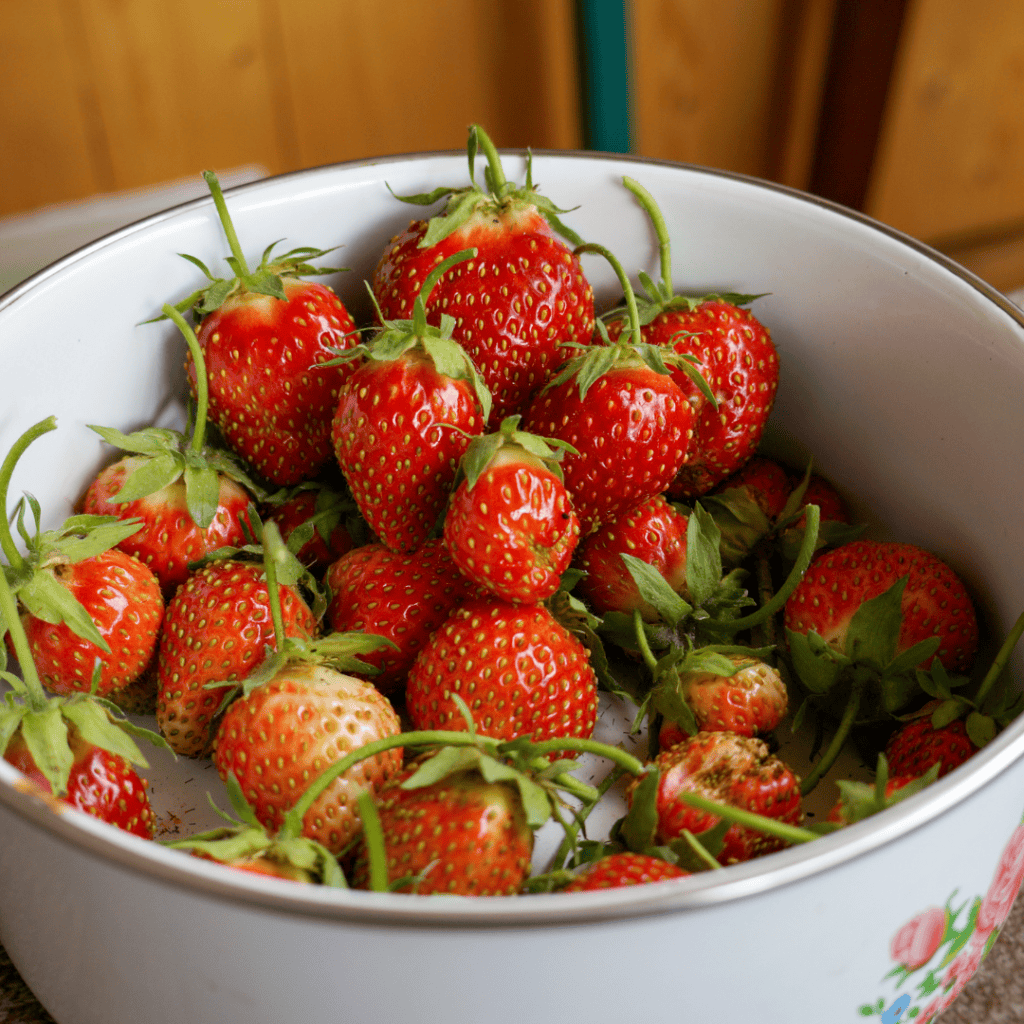
Even then, strawberries remained delicate. Strawberries spoil faster than many fruits because their thin skin and high water content make them especially prone to bruising, mold, and softening during hot weather.
One trip to a berry farm taught me very quickly how fragile strawberries really are. We left basket after basket sitting in the shaded backseat of the car while we went swimming for about an hour.
By the time we came back, the berries were sweating and melting into themselves from the heat.
Not every berry was perfect either. Historically, people still used soft berries, uneven berries, or slightly bruised berries because wasting seasonal fruit simply was not practical.
Eventually strawberry season would end, and after weeks of picking, topping, tailing, and jam making, I cannot pretend I was terribly sad to see it go.
Strawberry Season Today
Modern grocery stores have made strawberries feel permanent, but historically people waited months for fresh, juicy strawberries to appear locally. Seasonal food once created anticipation in a way year-round produce often no longer does.
Here in Northern Ontario, many grocery store strawberries travel long distances from warmer regions and are picked before they are fully ripe so they can survive shipping. Local strawberries can stay on the plant much longer before harvest, which is why fresh field-picked berries often taste sweeter, juicier, and far more fragrant.
Strawberry season can make people overly ambitious very quickly. Between berry stands, farmers markets, grocery sales, and pick-your-own farms, it becomes easy to buy more berries than you can realistically clean, freeze, bake with, preserve, or eat before they begin breaking down.
Perhaps because fresh berries spoiled so quickly in our home growing up, I became a little obsessed with figuring out how to make strawberries last longer as an adult. Over the years I have experimented with different storage methods, including keeping unwashed berries in glass jars in the refrigerator and freezing extra fruit before it begins softening.
Realistically, I have probably spent far too much time experimenting to see just how far I could push it.
I still avoid washing strawberries until I plan to use them because extra moisture causes them to soften and mold much faster.
Even now, local strawberry season still feels different from buying berries in the middle of winter. Fresh field-picked strawberries often taste sweeter, juicier, and more fragrant than berries shipped long distances.
Common Questions About Strawberry Season
Even with modern refrigeration and year-round grocery availability, strawberry season still teaches a certain kind of awareness. Fresh berries remain delicate, seasonal food still tastes best closest to harvest, and preserving fruit intentionally can still save money and reduce waste today.
The one thing I probably miss most is the taste of a warm strawberry picked straight from the field, bursting with juice and carrying the flavor of the summer sun.


