Fresh Peach Cobbler With Biscuit Topping
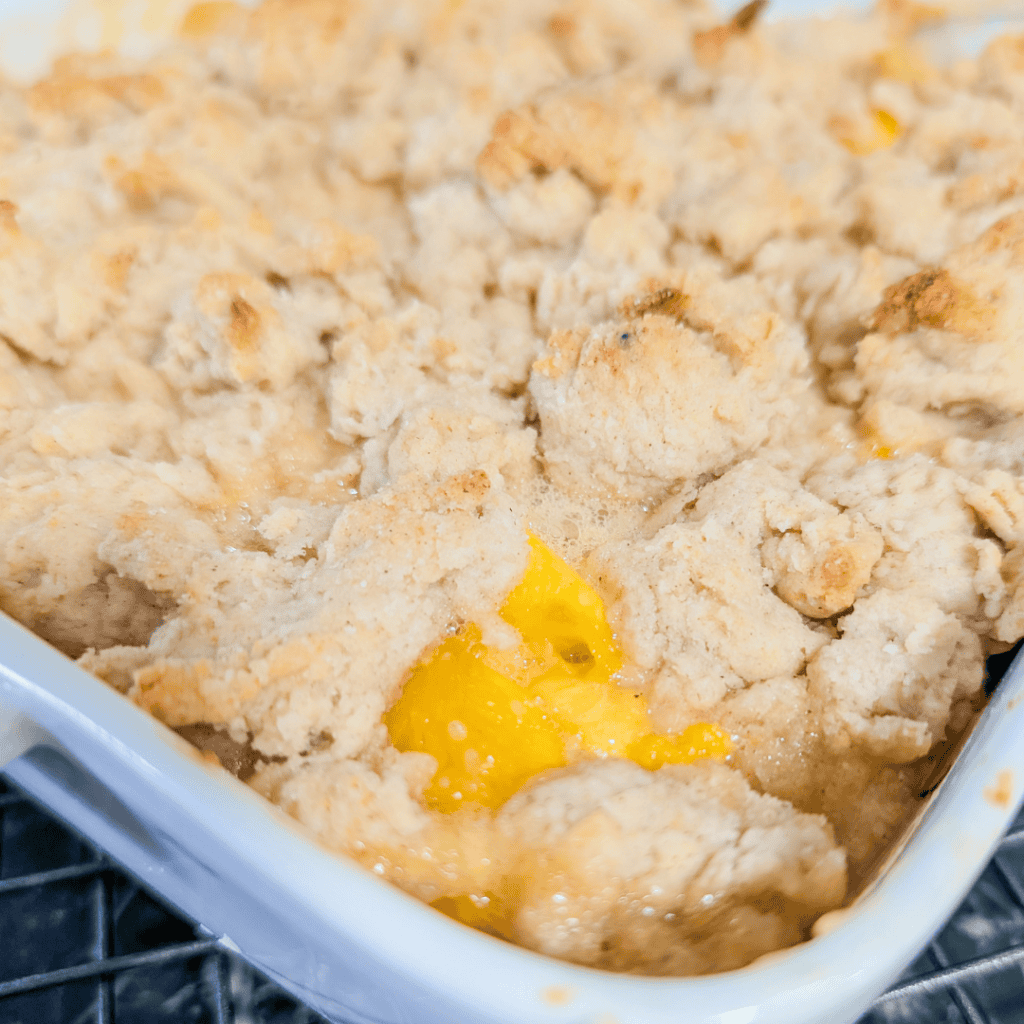
This fresh peach cobbler is made with ripe summer peaches, a lightly set egg-and-sugar filling, and a homemade cinnamon biscuit topping. Instead of rolling and cutting individual biscuits, the soft dough is crumbled over the fruit, leaving spaces where the peach juices can bubble as the cobbler bakes.
The cobbler is baked in an 8-inch square pan and is best served warm after a short rest. The filling stays juicy while the topping bakes golden, giving this peach cobbler recipe a softer biscuit texture than the oat topping used for my homemade peach crisp.
Local peaches are one of the things I look forward to each summer. Growing up off-grid, we used fruits and vegetables when they were in season, and I still prefer making simple desserts that let ripe fruit provide most of the flavour.
What Is Fresh Peach Cobbler?
Fresh peach cobbler is a baked fruit dessert made with ripe peaches and a biscuit-style topping. In this recipe, the peaches bake in a lightly set egg-and-sugar filling while a homemade cinnamon biscuit dough cooks over the top.
Prep Time:
15 Minutes
Bake Time:
20-25 Minutes
Skill Level:
Beginner
Yield:
6 Servings
Method:
Baked in 8×8 Pan
Texture:
Juicy, lightly set peach filling with a tender golden biscuit topping
I like this easy peach cobbler recipe because it is both cost-effective and relatively simple. The biscuit dough is crumbled directly over the peaches, so there is no rolling, cutting, or extra fuss. It is the kind of homemade dessert a busy mom can put together without spending half the day mucking about in the kitchen.
Cost Rating: 🍳 1 Pan — Low Cost
Cost guideline:
Cost Per Batch: Approximately $9.50–$10.50 CAD
Cost Per Serving: Approximately $1.60–$1.75 CAD (based on 6 servings)
Fresh peaches account for most of the cost of this dessert. The flour, sugar, baking powder, cinnamon, salt, egg and milk are used in relatively small amounts and are common pantry or refrigerator staples.
The recipe uses ¼ cup of butter, which is approximately one-eighth of a standard block. When butter is purchased on sale for $4.99 CAD, the amount used costs about $0.62. At a regular price of approximately $8 per block, the same amount costs about $1.
Why You’ll Love This Fresh Peach Cobbler
No Biscuit Rolling Required: The soft biscuit dough is broken into pieces and crumbled over the peaches, so there is no rolling, cutting, or shaping individual biscuits.
Uses Fresh Summer Peaches: This fresh peach cobbler lets ripe seasonal peaches provide most of the flavour while the egg-and-sugar mixture lightly sets around the fruit as it bakes.
Small-Batch Dessert: The cobbler bakes in an 8-inch square pan and makes about six servings, which works well when you do not need a large 9×13-inch dessert.
Works With Other Fruit: The homemade biscuit topping can also be used for other fresh fruit cobblers made with nectarines, plums, apricots, or a combination of stone fruits. Because different fruits release different amounts of juice, the sweetness and baking time may need a small adjustment.
Budget Tip:
Ontario Niagara peaches currently cost about $7.99 at the grocery store, but they are often less expensive when they go on sale or when purchased directly from a local orchard during peach season. Watch for butter sales as well. A block purchased for $4.99 instead of approximately $8 keeps the cost of this dessert lower.
Since the remaining ingredients are basic pantry staples, keeping a well-stocked family pantry on a budget makes desserts like this less expensive to prepare.
Blanching the peaches instead of peeling them with a knife also helps protect your grocery budget because it removes the thin skin while leaving more of the fruit for the cobbler.
How to Make Fresh Peach Cobbler
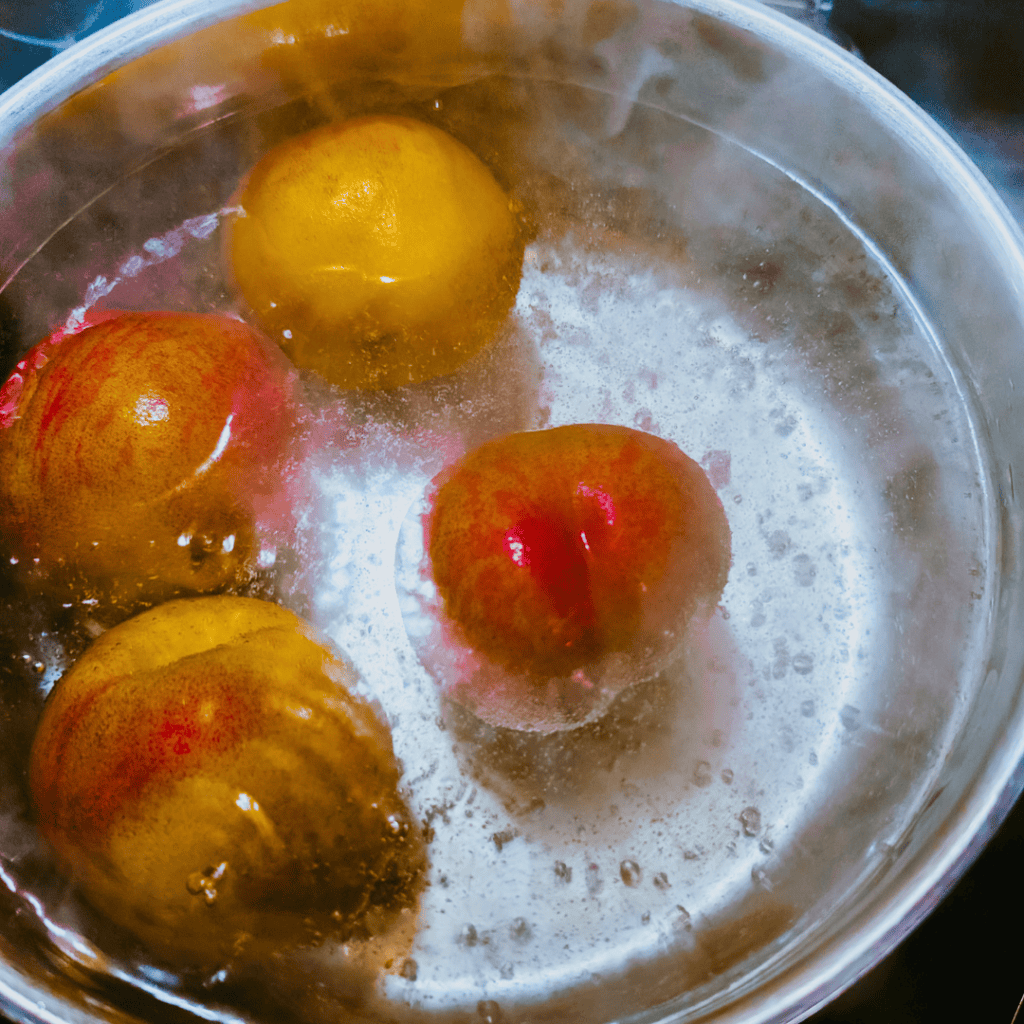
Bring a saucepan of water to a rolling boil. Carefully lower the whole peaches into the hot water, taking care not to splash yourself. Leave them in the boiling water for just under one minute.
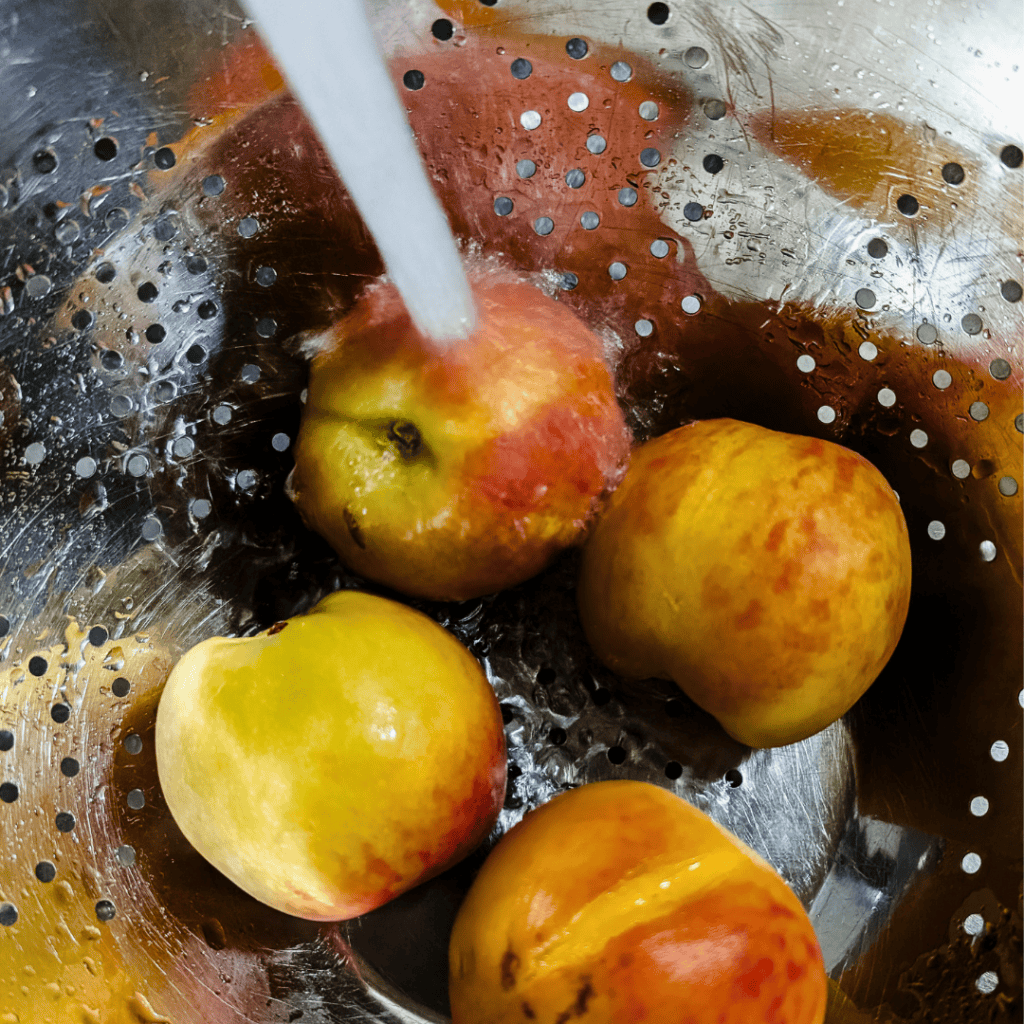
Remove the peaches and place them directly into a colander in the sink. Run cold water over them until they are cool enough to handle. This stops the outside of the peaches from continuing to cook and makes it easier to remove the skins.
Gently rub each peach with your fingers. When the peaches are fully ripe, the skins should loosen and slip away easily.

The peaches I used were still slightly green, so some of the skins held tightly to the flesh. If this happens and the peach is still completely intact, return it to the boiling water for a little longer. Cool it again under cold water, then check whether the skin has loosened.
Once you have started peeling a peach and some of its flesh is exposed, do not put it back into the boiling water. The exposed fruit can begin releasing its juice and flavour into the water. Instead, use a small paring knife to carefully remove any patches of skin that remain.
Blanching the peaches this way helps preserve more of the fruit. You can peel them entirely with a knife, but some of the peach flesh often comes away with the skin. Since fresh peaches are the most expensive ingredient in this cobbler, removing the skins with hot and cold water helps reduce waste.
Use a small paring knife to cut around the circumference of each peach. Separate the halves, remove the pit and cut the fruit into bite-sized slices or pieces.
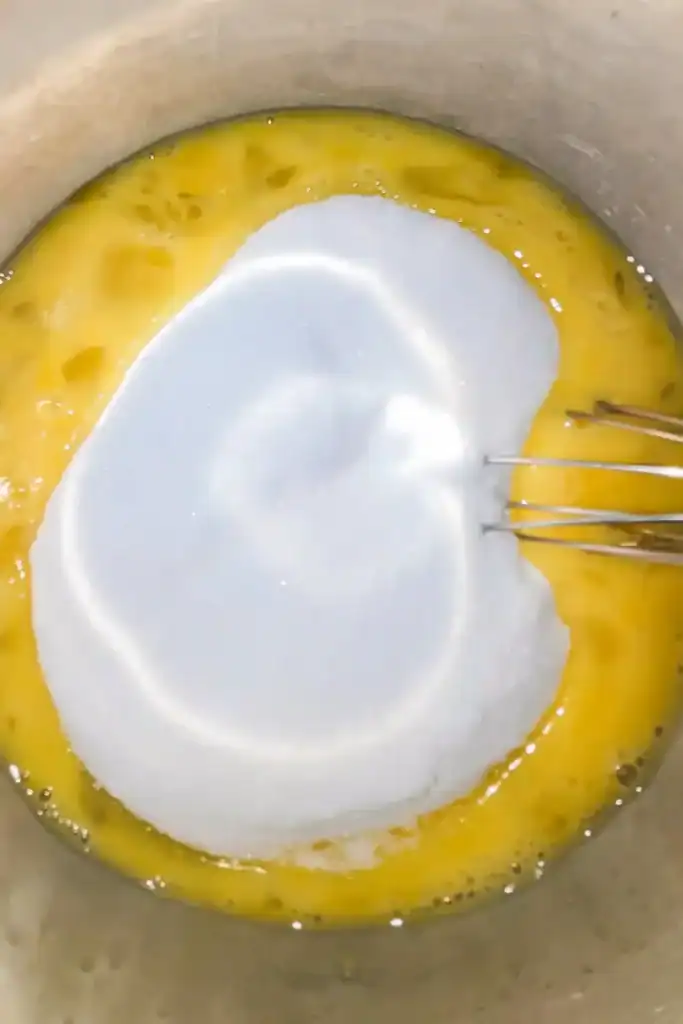


Let’s get the fresh peaches ready to shine by adding the egg in a mixing bowl and whisk until evenly blended.
Add ⅔ cup of sugar and continue whisking until the egg-and-sugar mixture becomes pale and creamy.
Fold in the prepared peaches along with any juice they released while being cut. Set the mixture aside while you prepare the biscuit topping.
The egg and sugar form a lightly set, custard-like mixture around the peaches as the cobbler bakes. This makes the filling different from cobblers that rely on cornstarch, canned syrup or a pourable batter.
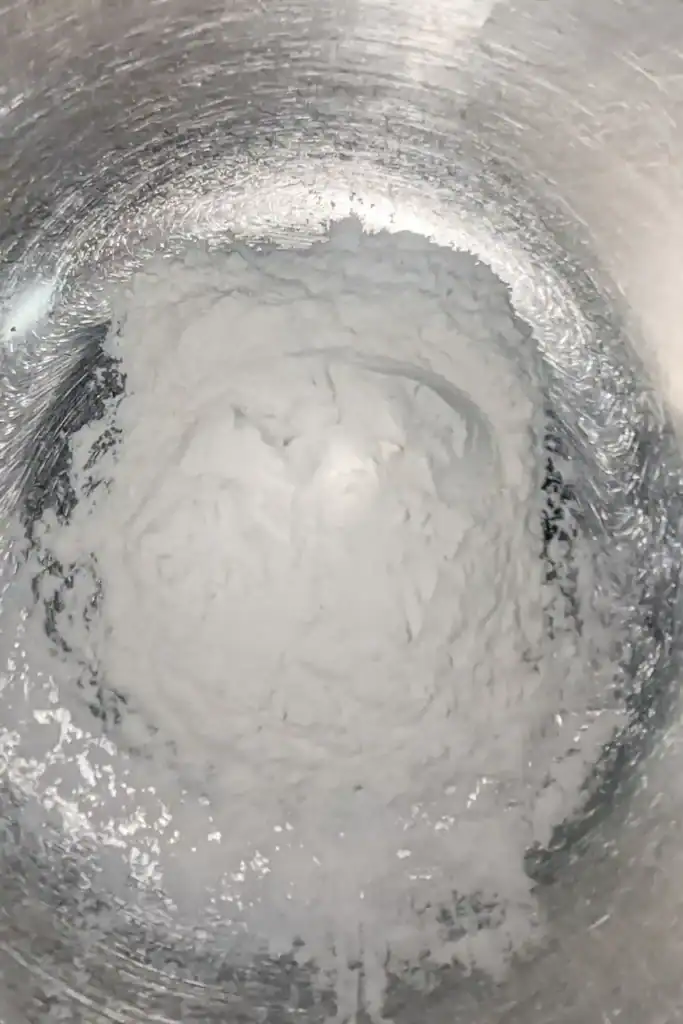
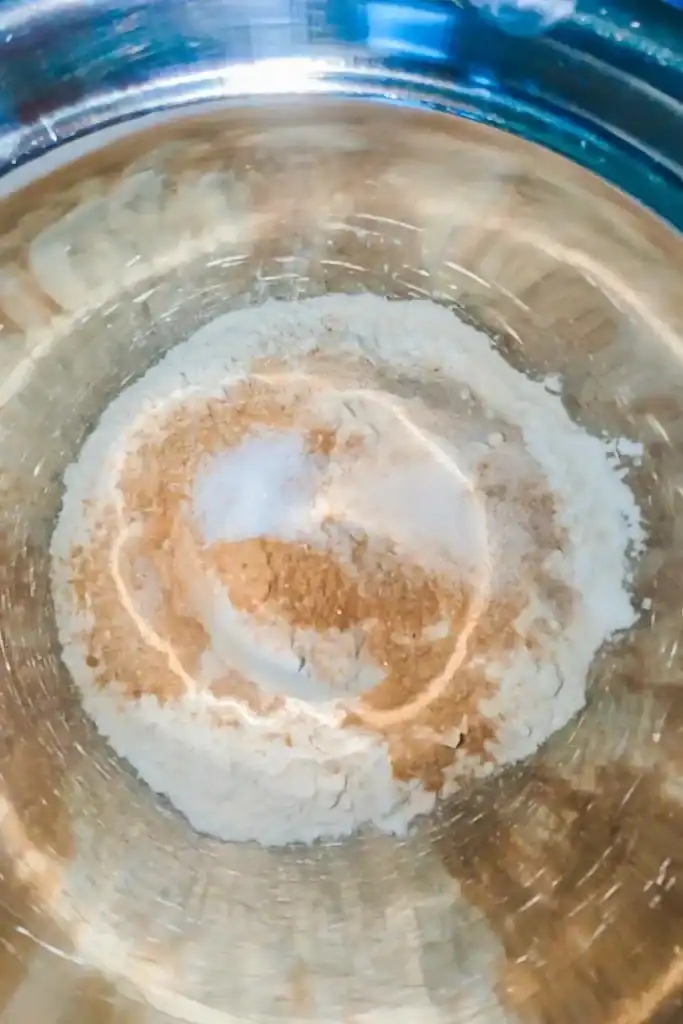
Next you will want to prepare the biscuit topping, add the flour, baking powder, salt, 2 tablespoons of sugar and cinnamon to a mixing bowl. Stir until the dry ingredients are evenly combined.
Add the softened butter and cut it into the flour mixture until it resembles a coarse meal.
Gradually mix in ¼ cup of milk until a soft dough forms. If dry flour remains or the dough will not hold together, add additional milk 1 tablespoon at a time. Use no more than 2 additional tablespoons unless you have tested that the dough genuinely requires more.
The dough should be soft enough to hold together but not wet or sticky.
Turn the dough onto a lightly floured surface and knead it gently, only if needed. Do not overwork the dough because that can make the biscuit topping tougher. Since the dough will be crumbled over the peaches rather than rolled and cut, it does not need extensive kneading.
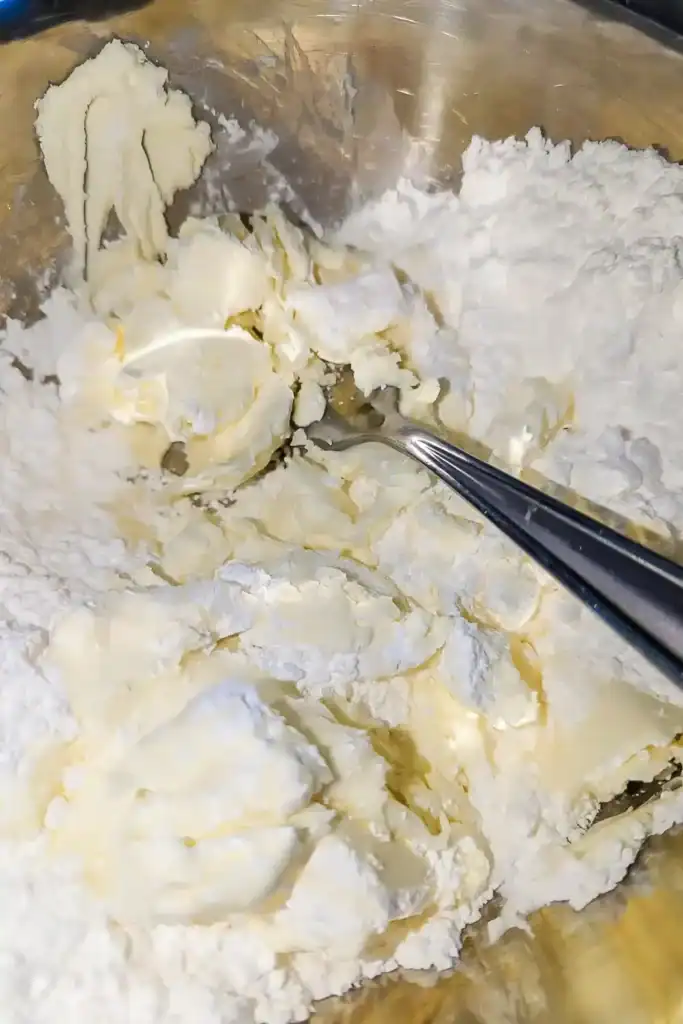
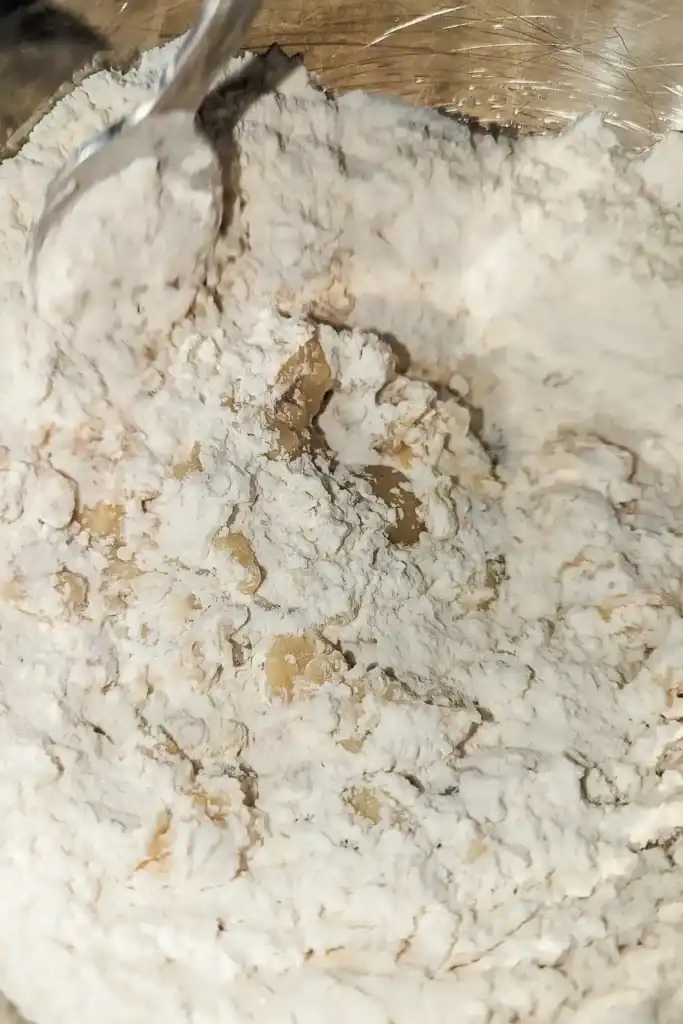
To assemble the cobbler pour the peach filling into an 8×8-inch baking dish and spread the fruit into an even layer.
Break the biscuit dough into small pieces and crumble them over the peach filling. Leave small spaces between some of the pieces so the peaches remain visible and the juices can bubble through as the cobbler bakes.
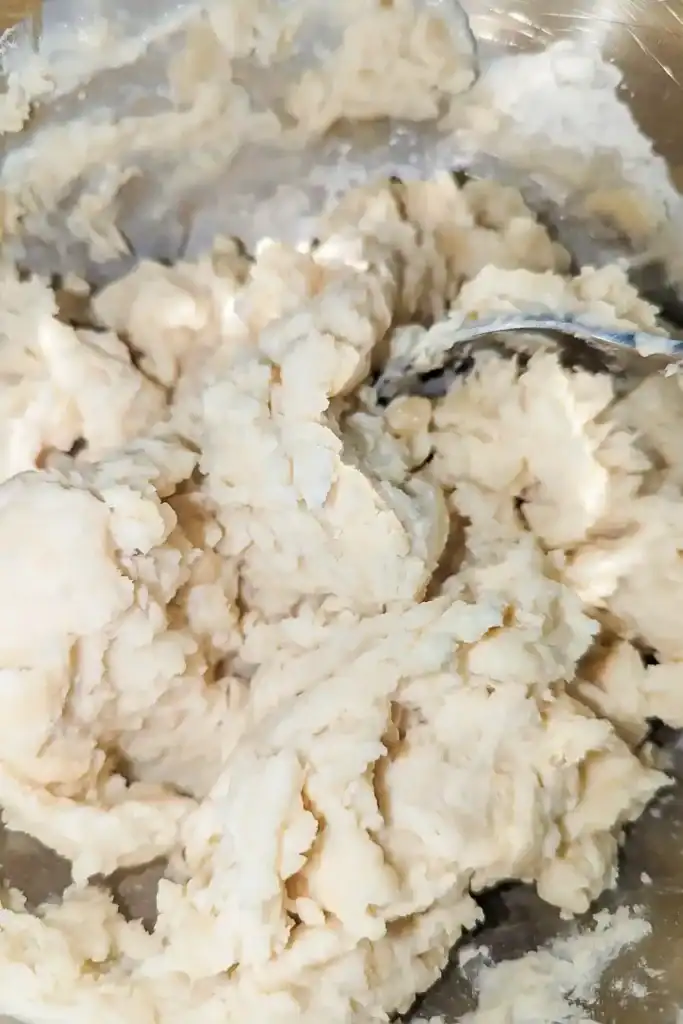

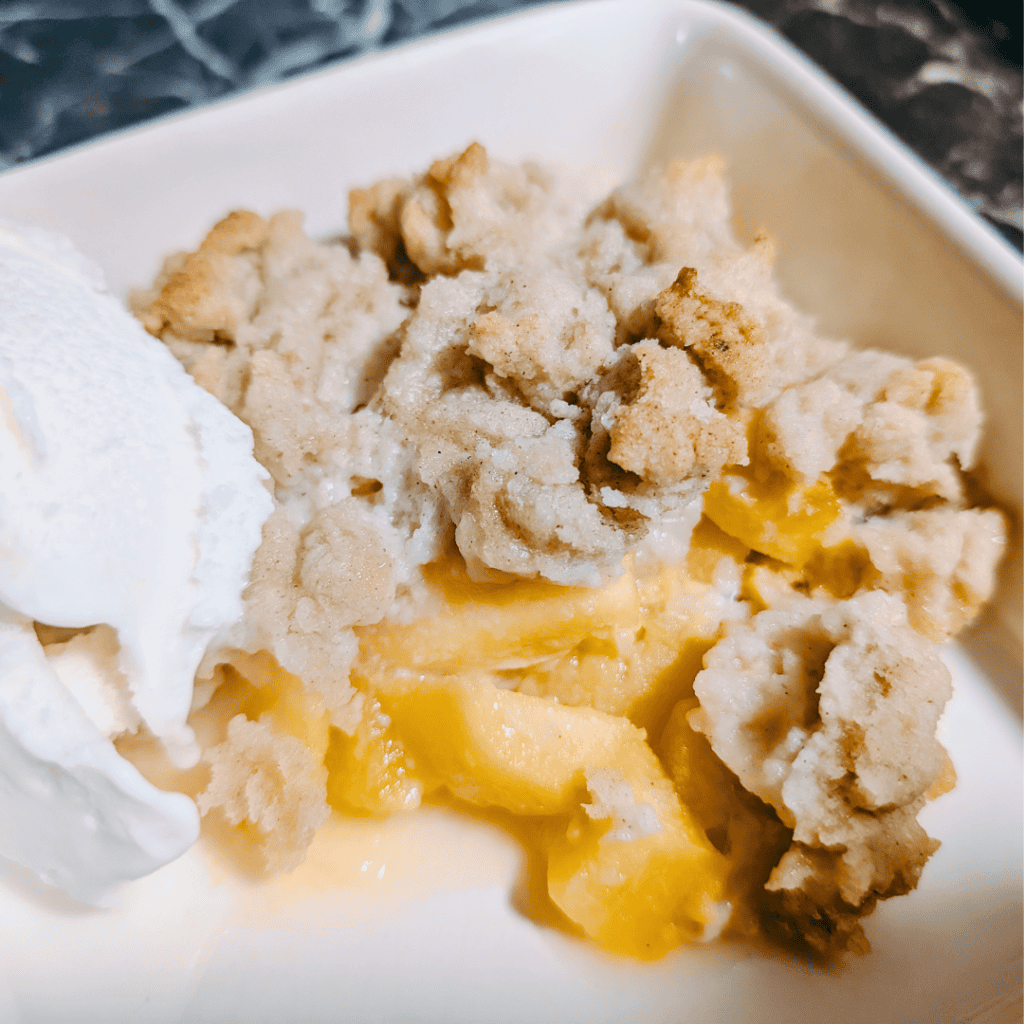
Bake in a preheated 400°F oven for 20-25 minutes or until the topping is a warm golden brown. Let the cobbler rest for about 10 minutes before serving. This gives the peach filling time to settle slightly while the cobbler remains warm.
Serve with vanilla ice cream, whipped cream or on its own.
Ingredients:
This peach cobbler with fresh peaches uses ripe fruit for the lightly set filling and simple pantry staples for the homemade cinnamon biscuit topping.
Fresh Peaches: Soften as they bake and release their natural juices into the egg-and-sugar filling. Choose peaches that smell fragrant and give slightly when gently pressed, but are still firm enough to cut without becoming mushy.
Egg: Helps the peach filling set gently around the fruit as it bakes. Combined with the sugar and peach juices, it creates the light, custard-like texture that makes this cobbler different from versions thickened with cornstarch.
White Sugar: Sweetens the peaches and encourages them to release some of their juice into the filling. A smaller amount in the biscuit dough adds mild sweetness and helps the topping turn golden as it bakes.
Baking Powder: Gives the biscuit topping its lift. It helps the dough bake up lighter and more tender rather than dense.
Salt: Balances the sweetness and brings out the flavour of the peaches, butter, and cinnamon. Without it, the biscuit topping can taste flat.
Milk: Hydrates the flour and brings the biscuit dough together. The dough should feel soft and hold together without becoming wet or sticky.
Cinnamon: Adds warm spice to the biscuit topping and complements the flavour of the peaches without overpowering them.
Butter: Adds richness and helps create the tender texture of the biscuit topping. Softened butter blends easily into the flour mixture, making the dough simple to crumble over the fruit.
All-Purpose Flour: Provides the structure for the biscuit topping. Once mixed with the butter, milk, and baking powder, it forms a soft dough that holds together while still breaking easily into pieces for the top of the cobbler.
Substitutions and Add-Ins for Fresh Peach Cobbler
This fresh peach cobbler allows a few practical changes, but substitutions that affect the egg-and-sugar filling or biscuit dough can noticeably change the texture.
Peaches: Other fresh stone fruits, such as nectarines, plums, or apricots, can be used to make a similar fruit cobbler. Pears or apples may also work, but firmer fruit can require a longer baking time. I would not use peach pie filling as a direct replacement because its added sugar and thickener would create a different filling.
Egg: Keep the egg as written for the most reliable result. It helps the peach juices and sugar form the lightly set filling, so flax egg, applesauce, or other egg replacements may leave the filling looser.
White Sugar: The sugar in the peach filling can be reduced slightly when the peaches are very ripe and sweet. Avoid omitting it completely because it contributes to the sweetness and lightly set texture of the filling. Keep the smaller amount used in the biscuit topping so it browns properly.
Baking Powder: Keep the baking powder as written because it provides the lift needed for a tender biscuit topping. Baking soda is not a direct substitute in this recipe.
Salt: Fine sea salt or table salt can be used in the same way. Kosher salt has larger crystals, so the amount may need a slight adjustment depending on the brand.
Milk: Lactose-free milk or an unsweetened, neutral-flavoured plant milk can be used to bring the biscuit dough together. Buttermilk will add tang and may change how much liquid the flour needs, so add it gradually.
Cinnamon: Nutmeg or ground ginger can replace a small portion of the cinnamon for a different spice profile. Strong spice blends, including chai powder, may contain sugar or several spices, so use them sparingly.
Butter: Plant-based butter can be used for a dairy-free biscuit topping, although the flavour and texture may differ. Margarine or coconut oil will not behave exactly like butter and may produce a softer or less rich topping.
Flour: A cup-for-cup gluten-free flour blend may work, but the dough may absorb milk differently and the finished topping may be more delicate. Whole wheat flour will make the topping denser. Almond flour is not a direct one-for-one substitute because it does not provide the same structure as all-purpose flour.
Fresh Peach Cobbler Tips, Serving and Storage
Tip #1: Double the recipe carefully: Double both the peach filling and the biscuit topping and use a 9×13-inch baking dish. A larger cobbler may need more than 25 minutes, so rely on the visual cues: the fruit should be bubbling through the topping, and the biscuit pieces in the centre should look fully baked rather than wet.
Tip #2: Drain frozen peaches well: Fresh peaches give this cobbler its best flavour and texture, but thawed frozen peaches can be used when fresh fruit is unavailable. Drain away excess liquid before mixing the filling so the extra moisture does not leave the biscuit topping soggy.
Tip #3: Use very little flour when handling the dough: The biscuit dough only needs to be kneaded if it has not come together in the bowl. If you turn it onto the counter, use a lightly floured surface and handle it gently so the topping stays tender rather than becoming dry or dense.
Tip #4: Check the centre before removing the cobbler: The peach filling should be bubbling through the open spaces, and the biscuit topping should be golden across the surface. Check one of the thicker pieces in the centre to make sure it no longer looks wet or raw inside.
Let the fresh peach cobbler rest for about 10 minutes before serving. This gives the lightly set filling time to settle while the fruit and biscuit topping remain warm.
This homemade peach cobbler is an easy summer dessert for an after-dinner treat, backyard meal, or casual family gathering. The 8-inch cobbler makes about six servings, while a doubled 9×13-inch version is better suited to a summer cookout or Canada Day potluck. Serve it warm with vanilla ice cream, lightly whipped cream, or on its own.
For another way to use fresh peaches, try these buttermilk peach and coconut muffins. For a chilled dessert during warmer weather, the mango fruit fool with nectarine also fits the summer fruit-dessert cluster identified in the research.
Store leftover fresh peach cobbler covered in the refrigerator for up to two days. The biscuit topping will soften as it absorbs moisture from the peach filling, but the cobbler will still reheat well.
Warm it in a 350°F oven until heated through. Oven reheating helps restore more of the biscuit topping’s texture than a microwave.
Fresh Peach Cobbler FAQs
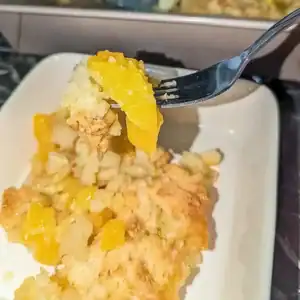
Fresh Peach Cobbler With Biscuit Topping

Equipment
- 8-Inch Square Baking Dish
- Large Pot
- Slotted Spoon or Kitchen Tongs
- Cutting board
- Paring Knife
- Two Medium Mixing Bowls
- Whisk
- Pastry Cutter Fork, or Clean Hands
- Measuring Cups
- Tablespoon
- Teaspoon
- Colander
Ingredients
Sweet Peach Cobbler Fruit Filling
- 2¼ Cups Peaches Peeled, pitted, and chopped (approx 8 peaches)
- 1 Lrg Egg
- ⅔ Cup Granulated White Sugar
Biscuit Cobbler Topping
- 1 Cup White All Purpose Flour
- 2 Tsp Baking Powder
- ¼ Tsp Salt
- 2 Tbsp Granulated White Sugar
- ¼ Cup Butter Softened
- ¼ Cup 2% Milk Additional 2 TBSP milk, only if needed
- ½ Tsp Cinnamon
Instructions
Preparing The Peaches
- Bring a large pot of water to a boil.
- Carefully lower the intact peaches into the boiling water and blanch them for 30 to 60 seconds.
- Transfer the peaches to colander under cold water. Once they are cool enough to handle, gently pull away the loosened skins.
- Remove the pits and cut the peaches into bite-sized pieces. Measure 2¼ cups of prepared peaches.
Sweet Peach Cobbler Fruit Filling
- After peeling the peaches cut into bite sized pieces.
- In a medium bowl, whisk the egg and ⅔ cup sugar until well combined and slightly creamy.
- Fold the peaches into the egg sugar mixture.
- Pour the filling into the 8-inch square baking dish and spread it evenly.
Biscuit Cobbler Topping
- In a separate bowl, combine the flour, baking powder, salt, 2 tablespoons sugar, and cinnamon.
- Work the softened butter into the flour mixture until it resembles coarse crumbs.
- Add ¼ cup milk and mix just until a soft dough forms.
- Break the biscuit dough into pieces and distribute it over the peach filling.
- Bake for 20 to 25 minutes, until the peach filling is bubbling and the biscuit topping is golden.
- Check one of the thicker pieces in the centre to make sure it no longer appears wet or raw inside.
- Let the fresh peach cobbler rest for about 10 minutes before serving warm.
Notes
- Measure the peaches after peeling and removing the pits. The number of peaches needed will vary depending on their size.
- Begin with ¼ cup milk in the biscuit dough. Add the optional milk only when the mixture is too dry to come together.
- Fresh peaches give this cobbler the best flavour and texture. Thawed frozen peaches may be used, but they should be drained thoroughly first.
- Store leftovers covered in the refrigerator for up to two days. Reheat in a 350°F oven until warm.
Nutrition