Great-Grandma’s Old Fashioned Mayonnaise Recipe
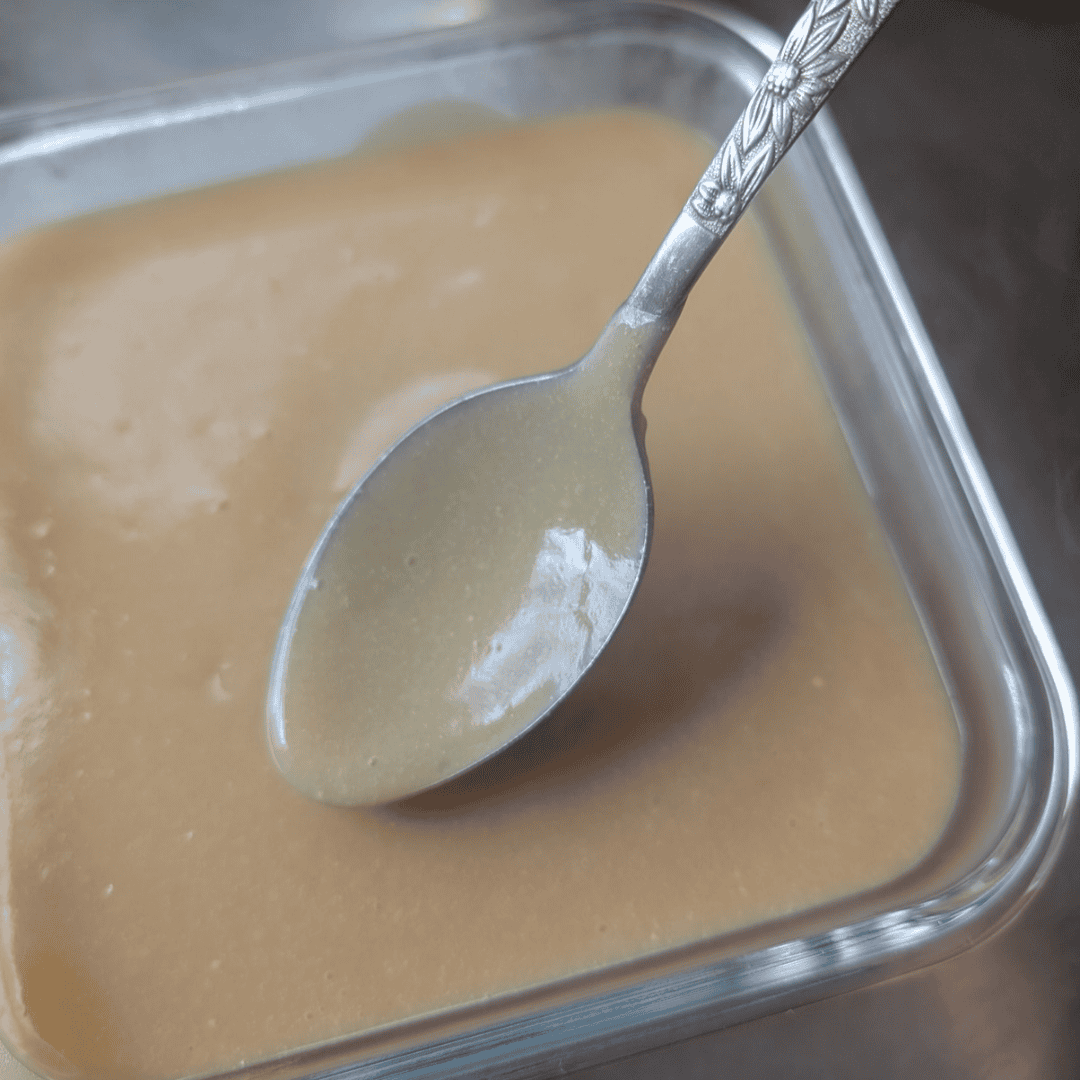
This old fashioned mayonnaise recipe is a tangy cooked mayonnaise made on the stovetop with brown sugar, dry mustard, eggs, flour and apple cider vinegar. There is no oil, and the finished mayonnaise is brown rather than white. The key to making this old fashioned cooked mayonnaise is low heat and constant stirring.
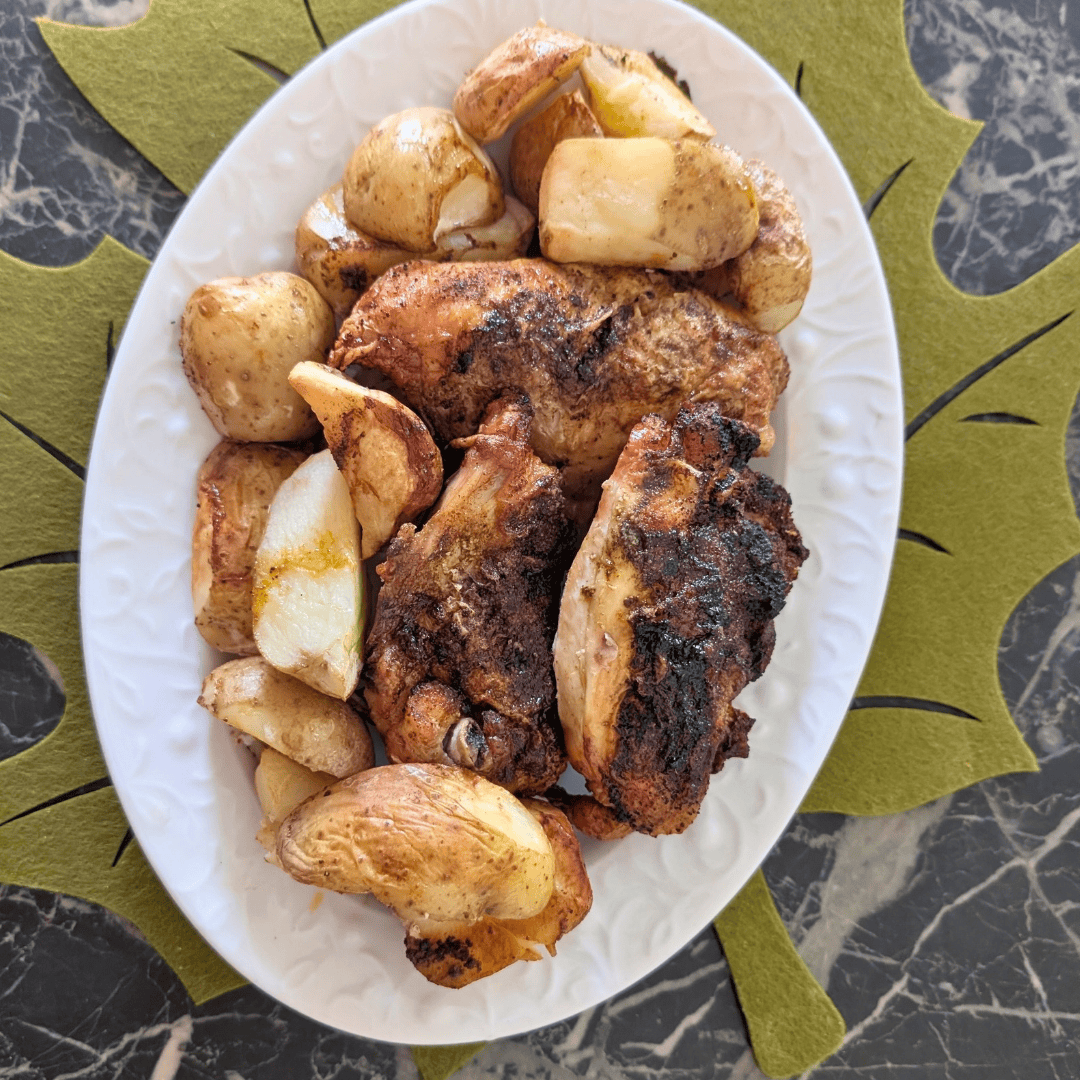
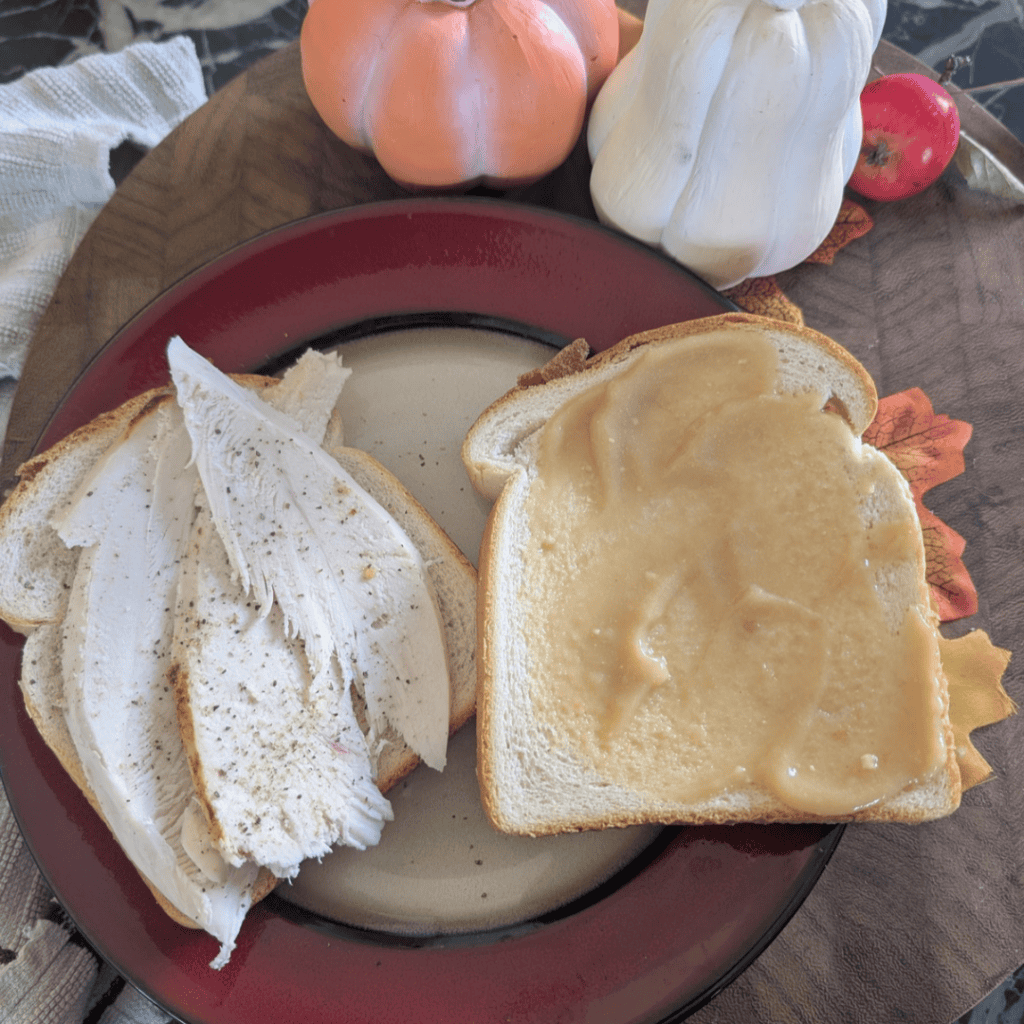
This mayonnaise was a must at Thanksgiving and Christmas when I was growing up, especially for leftover turkey sandwiches. If you’re cooking the whole bird, my spiced whole roast turkey gives you plenty of turkey for sandwiches the next day. The flavour is much more zippy and tangy than the mild whipped white mayonnaise we are used to today. Leftover turkey doesn’t have to end with sandwiches either. I use it for my creamy turkey and rice soup when I want to stretch the holiday leftovers into another meal. Another way I make use of the holiday leftovers is with my one-pot turkey and dumplings. That recipe uses cooked turkey, leftover gravy, potatoes, and vegetable side dishes together, so even the smaller portions left from Thanksgiving dinner can go toward another meal.
The recipe came down through my great-grandmother, who was born around 1897, although I suspect the recipe may be older than she was. She was severely allergic to eggs, yet this recipe contains two whole eggs, which has always made me wonder whether it was a recipe she inherited from an earlier generation.
Quick Answer
Old fashioned cooked mayonnaise is a stovetop mayonnaise that is cooked until thick rather than made as the familiar oil-based emulsion. Cook it slowly, stirring constantly, until it coats the back of a spoon; it will thicken further as it cools.
Flavor:
Tangy, zippy and mustard-forward with plenty of apple cider vinegar.
Method:
Cooked slowly on the stovetop over low heat while stirring constantly.
Main Ingredients:
Brown sugar, dry mustard, eggs, flour and apple cider vinegar — no oil required.
Make Ahead:
Prepare ahead and refrigerate in a covered container for up to 3–4 days.
Texture:
Thick and spoon-coating once cooked, with additional thickening as it cools.
Best For:
Leftover turkey sandwiches, especially after Thanksgiving or Christmas.
A Family Mayonnaise That Looks Very Different Today
If this doesn’t look anything like the mayonnaise in your refrigerator, that is exactly what sent me digging into old cookbooks.
This style of cooked mayonnaise isn’t unique to my family. In the 1916 edition of The Community Cook Book, two recipes are actually titled “Mayonnaise.” One uses egg yolks, sugar, flour, mustard, vinegar and water and is cooked slowly while stirring until thick. If you enjoy these older stovetop recipes, my old-fashioned boiled coleslaw dressing is another cooked family-style dressing, although unlike this mayonnaise, it contains no mayo.
Other old family recipes use the same general combination of eggs, flour, mustard, sugar, vinegar and water. That matters because mayonnaise didn’t always mean the white, oil-based mayonnaise most of us picture today. So while this recipe is unusual compared with modern commercial mayonnaise, my family wasn’t alone in calling this type of cooked condiment mayonnaise.
I am digging much deeper into that history in a separate article about how mayonnaise changed over time. Here, I want to preserve the recipe itself and explain how to make it successfully.
Cost Rating: 🍳 Low Cost | About 2 cups
Cost guideline:
Cost Per Batch: ~$3.00–$4.00 CAD
Cost Per Serving: ~$0.09–$0.13 CAD (based on 32 one-tablespoon servings)
Estimated using average Canadian grocery prices in 2026.
Dry mustard is actually one of the larger costs in this otherwise inexpensive recipe because the recipe uses a full 2 tablespoons. Eggs, brown sugar and apple cider vinegar make up most of the remaining cost.
The recipe makes approximately 2 cups, so even a small batch gives you plenty for holiday turkey sandwiches and other uses.
Why You’ll Love This Old Fashioned Mayonnaise Recipe
No oil needed: Unlike modern homemade mayonnaise recipes built around an oil-and-egg emulsion, Great-Grandma’s version is thickened by cooking the eggs and flour.
Strong Flavor: Apple cider vinegar and a substantial amount of dry mustard give the finished mayonnaise its characteristic zippy, tangy flavour.
Make-Ahead Holiday Condiment: It can be prepared before the leftover turkey sandwiches start appearing after Thanksgiving or Christmas dinner.
Budget Tip:
Buy dry mustard where the unit price makes sense if you plan to use it in other recipes. This mayonnaise uses 2 full tablespoons, so a small spice jar can make the mustard one of the more expensive ingredients in the batch.
How to Make Old Fashioned Mayonnaise
Start by combining the brown sugar, flour, dry mustard powder, eggs and salt in a saucepan.
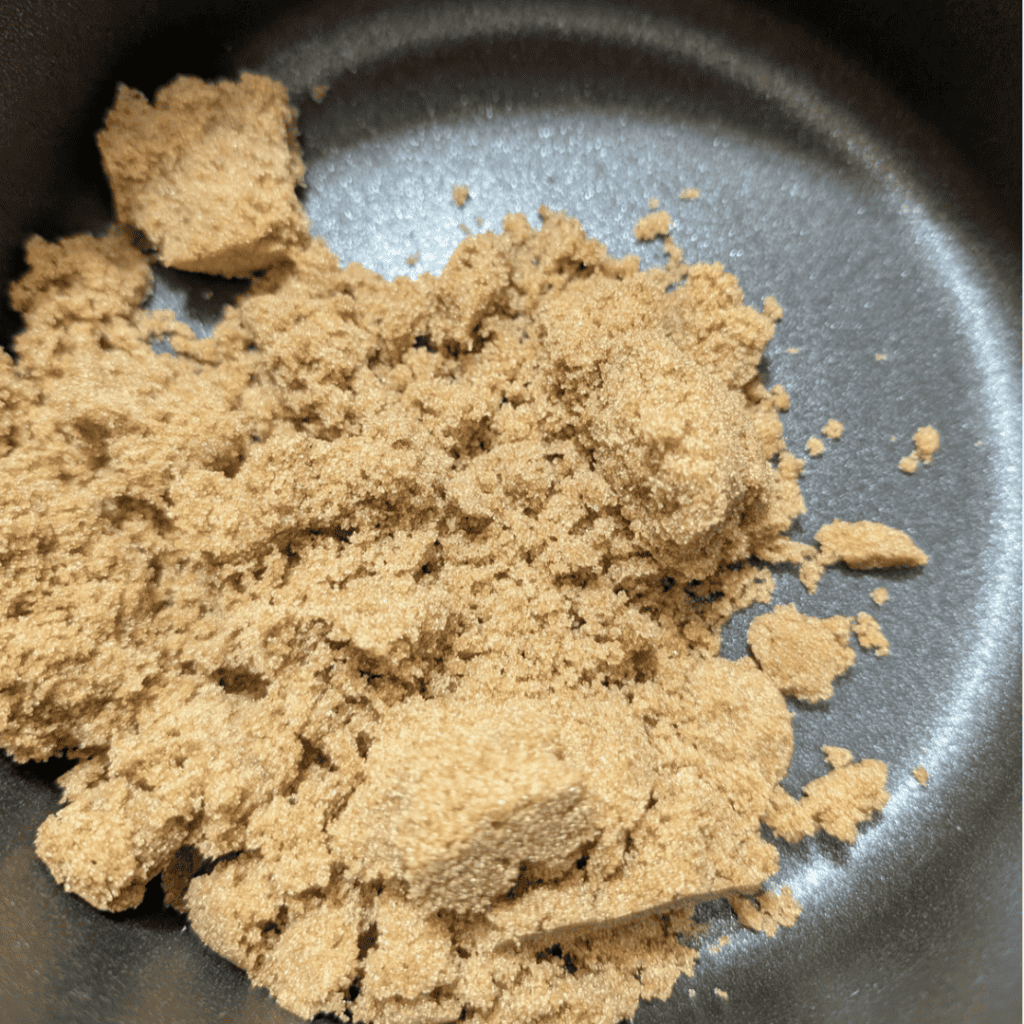
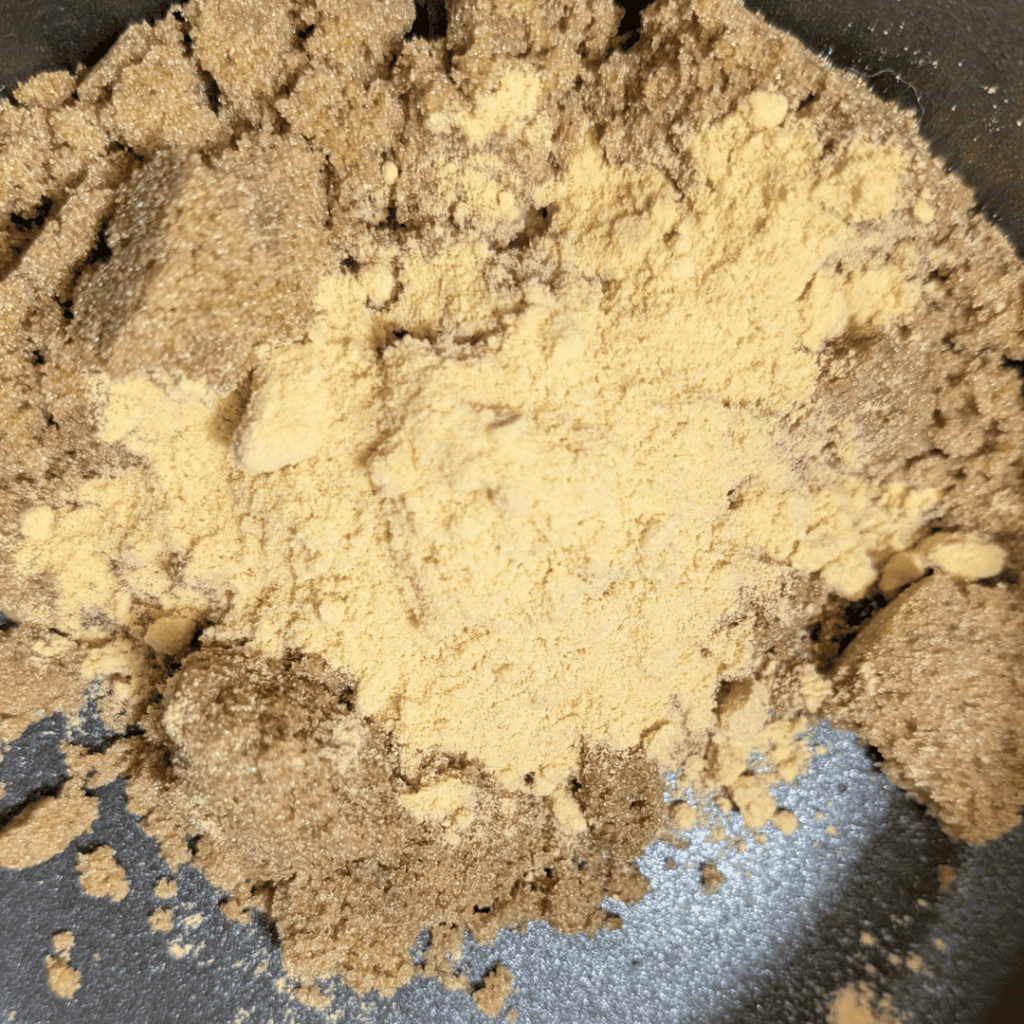
In a separate measuring cup or bowl, combine the water and apple cider vinegar. Don’t pour all of this liquid into the saucepan at once. Add just enough to the first mixture to work it into a smooth, soupy paste.
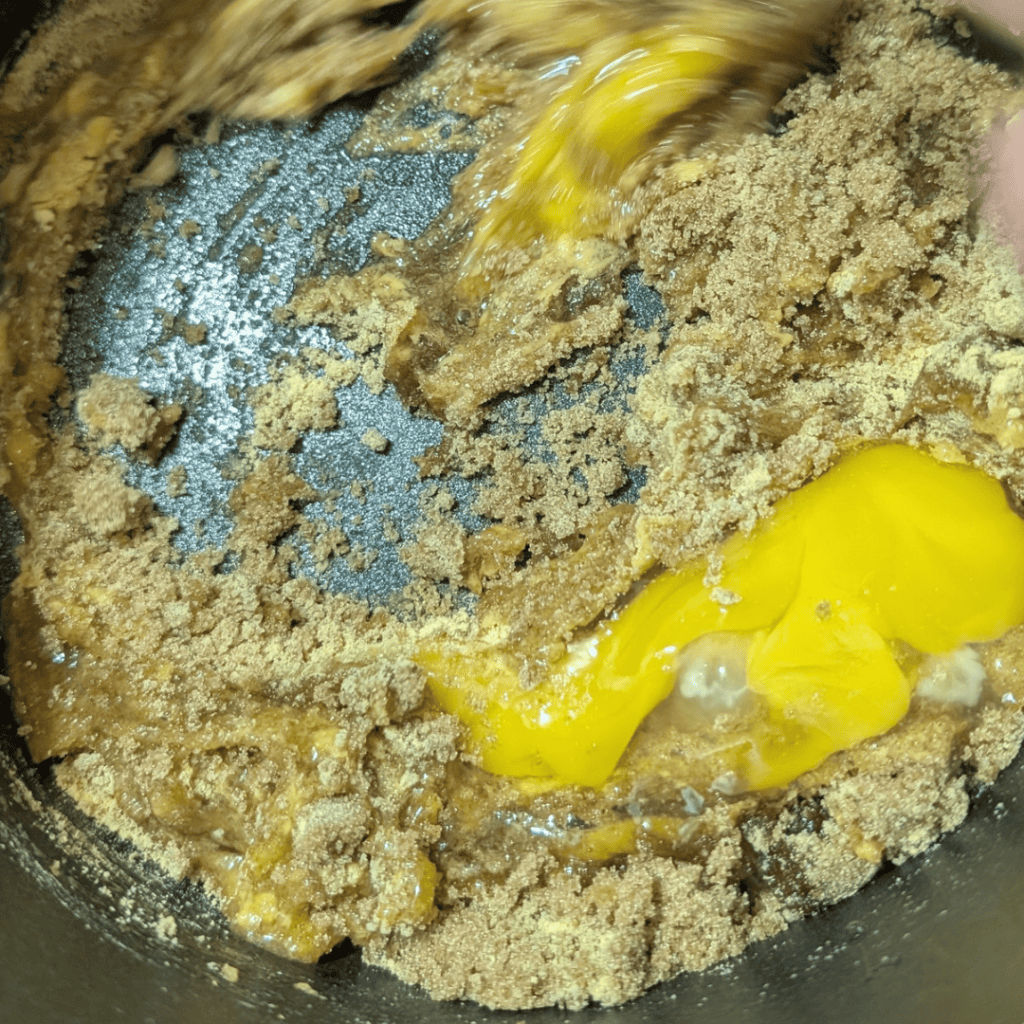
This step makes it easier to incorporate the flour smoothly before the mixture becomes very liquid.
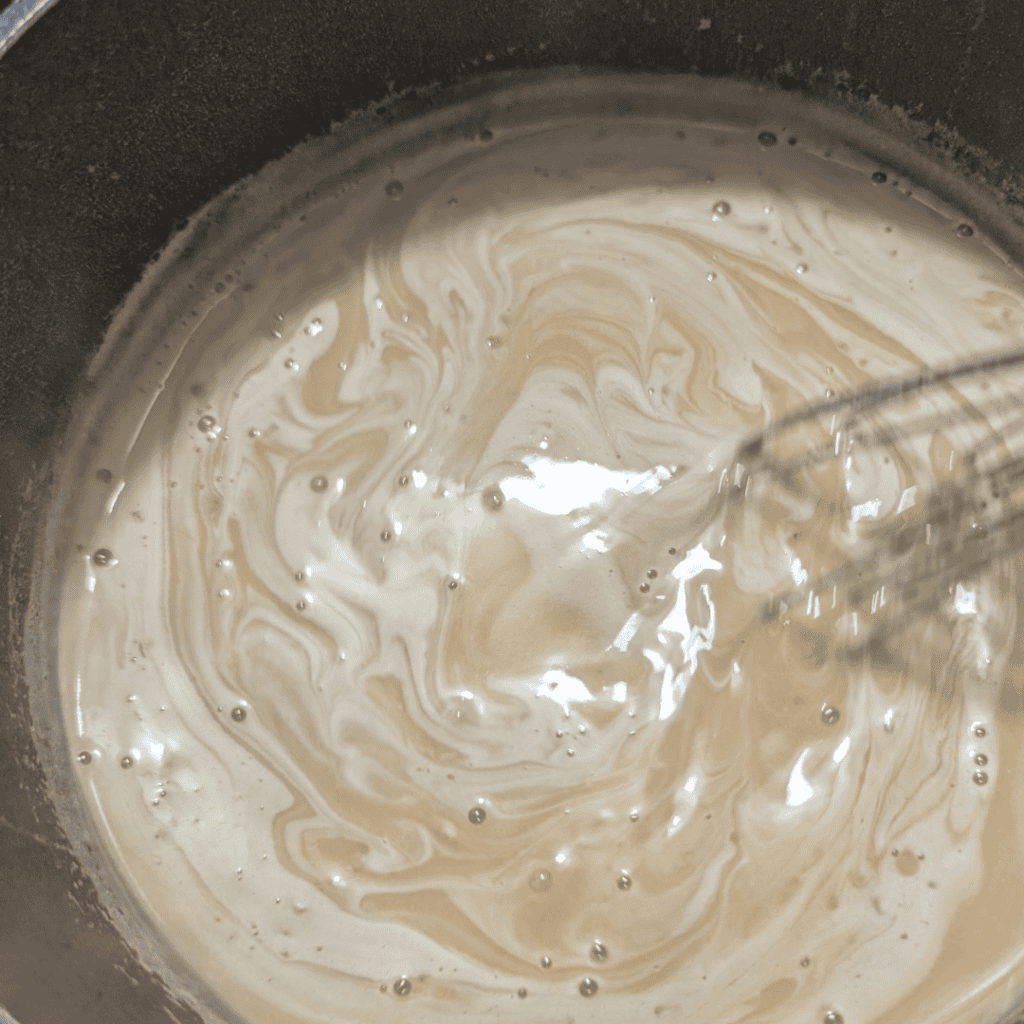
Once the paste is smooth, gradually stir in the remaining water and vinegar.
Set the saucepan over low heat and begin cooking. Stir constantly. This isn’t a recipe where you want to walk away from the stove because the eggs and flour are thickening as the mixture heats.
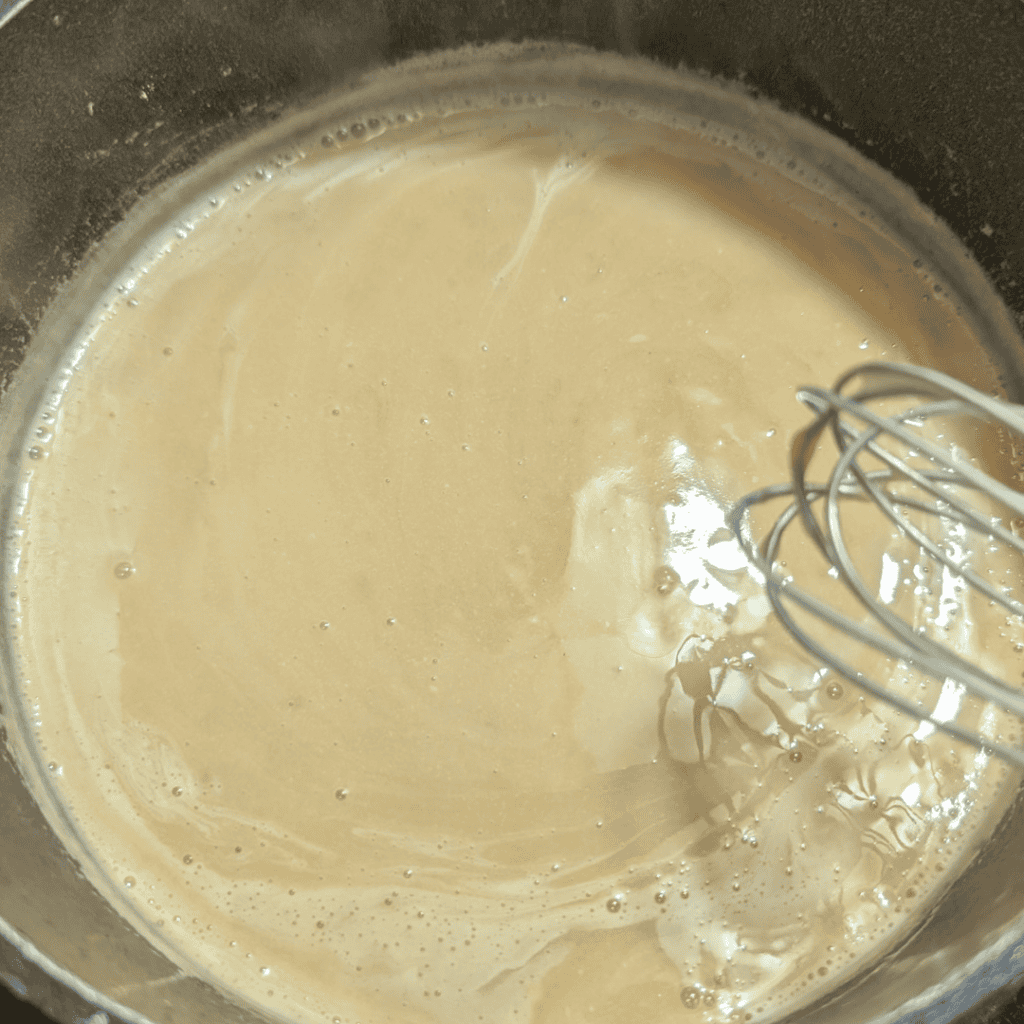
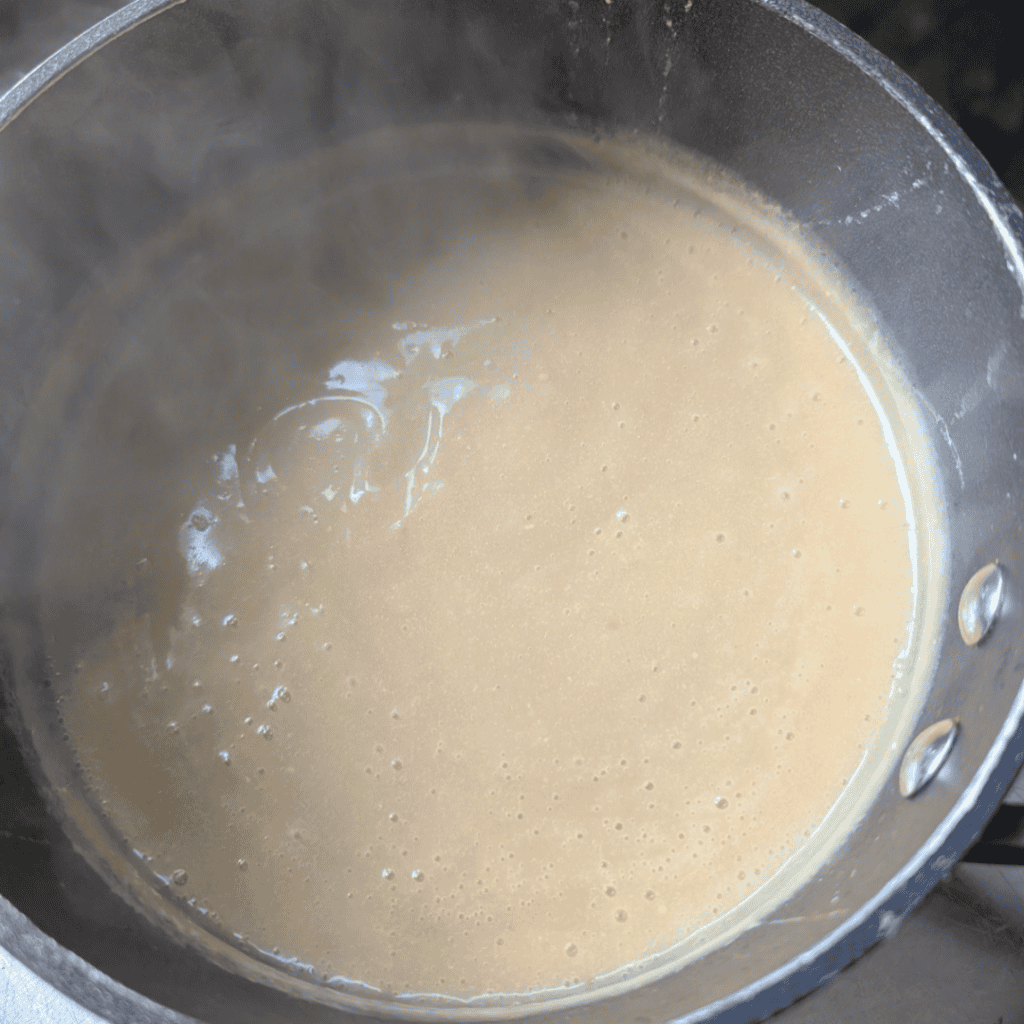
You will notice a strong vinegar smell while the mayonnaise cooks. That’s normal for this recipe.
There isn’t a set inherited cooking time. Instead, watch the consistency. The mayonnaise is finished when it has thickened enough to coat the back of your spoon.
Great-Grandma’s original recipe simply cooks the mayonnaise over low heat until it thickens. I still use that visual cue—the mayonnaise should be thick enough to coat the back of a spoon—but Health Canada recommends cooking egg-based foods to an internal temperature of 74°C (165°F). A digital food thermometer takes the guesswork out of it.
Remove the saucepan from the heat once it has thickened. The mayonnaise will be brown and will become noticeably thicker as it cools.
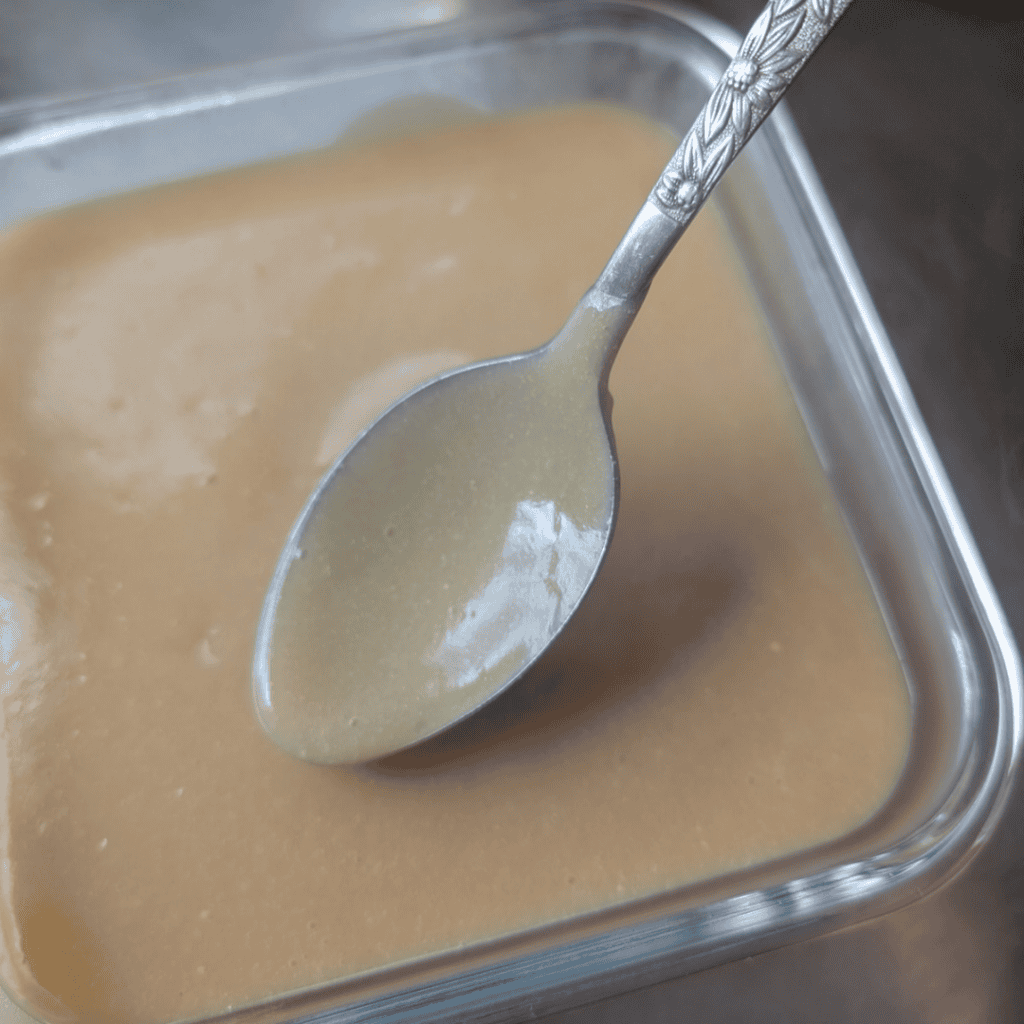
A skin can develop across the top after it sits. That’s normal for this cooked mayonnaise and isn’t a sign that anything has gone wrong.
Ingredients for Old Fashioned Mayonnaise
This recipe uses basic pantry ingredients, but the amounts matter because the brown sugar, mustard and vinegar work together to create its distinctive flavour. You won’t need any oil for this old fashioned cooked mayonnaise.
Brown Sugar: Use 1 cup as called for in the inherited recipe. It sounds like a lot until you consider that the same batch also contains a full cup of apple cider vinegar and 2 tablespoons of dry mustard. The finished mayonnaise is still decidedly tangy and zippy.
All-Purpose Flour: Great-Grandma’s recipe calls for 2 well-rounded to heaping tablespoons. The flour thickens the mayonnaise during cooking.
Dry Mustard Powder: Use 2 tablespoons of dry mustard, not prepared yellow mustard. This is a significant amount and an important part of the mayonnaise’s sharp flavour.
Eggs: Two whole eggs go directly into the mixture before cooking.
Salt: The recipe uses ½ teaspoon to season the batch.
Water: One cup of water is mixed with the vinegar before being gradually incorporated into the other ingredients.
Apple Cider Vinegar: Use 1 cup. Apple cider vinegar is part of the inherited recipe and supplies much of the characteristic tang.
Substitutions and Add-Ins for Old Fashioned Mayonnaise
This is an inherited recipe, so I keep substitutions fairly limited. Changing the balance of vinegar, mustard, sugar and thickener too much would give you a different mayonnaise.
Brown Sugar: I have not tested this recipe with white sugar or another sweetener, so I keep the brown sugar called for in the original recipe.
All-Purpose Flour: I have successfully made this mayonnaise using a cornstarch slurry instead of flour. This is my modern substitution rather than part of Great-Grandma’s original recipe. I have not included a specific conversion until I measure the cornstarch amount in a future batch.
Dry Mustard Powder: I don’t recommend substituting prepared yellow mustard. Prepared mustard introduces additional liquid and does not have the same concentration as dry mustard powder.
Eggs: I have not tested an egg substitute in this recipe. The eggs are part of the original cooked mayonnaise and changing them would require separate testing.
Salt: You can make small seasoning adjustments to taste, but I keep the original ½ teaspoon in the recipe.
Water: Keep the water because it forms part of the original vinegar-to-water balance. If you need to adjust the final thickness, Great-Grandma’s instructions allow for adding more of the water-vinegar mixture.
Apple Cider Vinegar: I use apple cider vinegar because that is how the recipe was handed down. I have not tested other vinegars and would expect a different vinegar to noticeably change the flavour.
Expert Tips, Serving and Storing Suggestions
Tip #1: Watch the spoon, not the clock: The original recipe doesn’t give a cooking time. Cook over low heat, stirring constantly, until the mayonnaise coats the back of a spoon. It will become thicker after cooling, so don’t continue cooking just because the hot mayonnaise looks softer than the refrigerated version.
Tip #2: Expect a vinegar smell: A full cup of apple cider vinegar becomes quite noticeable as it heats. The strong aroma during cooking is normal for this mayonnaise.
Tip #3: Keep stirring: Flour and eggs are both thickening in the saucepan. Constant stirring helps the mayonnaise thicken evenly rather than catching on the bottom.
Tip #4: Use temperature as the modern safety check: The spoon test tells you when the texture is right, while a digital thermometer gives you the food-safety check. Cook the egg-based mayonnaise to at least 74°C (165°F).
Serving Suggestions
For my family, the most important use has always been leftover turkey sandwiches.
Great-Grandma’s mayonnaise was such a favourite with turkey that it had to be made for Thanksgiving and Christmas. Its tangy mustard-and-vinegar flavour has enough punch that it doesn’t disappear against cold roast turkey.
This cooked mayonnaise is especially good with cold roast turkey. My orange cranberry turkey breast is another holiday recipe that can leave you with just the right kind of leftovers for sandwiches.
Storing Cooked Mayonnaise
My family traditionally kept this mayonnaise refrigerated for as long as a week. For the published recipe, however, I follow current Health Canada food-safety guidance.
Transfer the cooled mayonnaise to a clean covered container and refrigerate it within 2 hours of cooking. Keep the refrigerator at 4°C (40°F) or colder and use the mayonnaise within 3 to 4 days.
The mayonnaise continues to thicken as it chills and may form a skin across the surface.
I don’t recommend freezing this mayonnaise because I haven’t tested how freezing affects its cooked egg-and-flour texture.
FAQ
A Recipe Worth Keeping
For me, this mayonnaise belongs with Thanksgiving and Christmas because that’s when I remember it being made. The turkey dinner came first, but those leftover turkey sandwiches with Great-Grandma’s mayonnaise were part of the tradition too.
I’m curious whether other families still make a cooked mayonnaise like this. Did your grandmother or great-grandmother make mayonnaise with flour, mustard and vinegar, and what did your family serve it with?
Great-Grandma’s Old Fashioned Mayonnaise Recipe

Equipment
- Small Saucepan
- Whisk
- Tablespoon
- Storage Container
Ingredients
- 1 Cup Brown sugar
- 2 Tbsp White All Purpose Flour Well-rounded
- 2 Tbsp Dry Mustard Powder I used Keen's
- ½ Tsp Salt
- 1 Cup Water
- 1 Cup Apple Cider Vinegar
Instructions
- Add the brown sugar, flour, dry mustard powder, eggs and salt to a saucepan and mix together.
- In a separate bowl or measuring cup, combine the water and apple cider vinegar.
- Add enough of the water-vinegar mixture to the saucepan to make a smooth, soupy paste.
- Gradually stir in the remaining water-vinegar mixture.
- Cook over low heat, stirring constantly, until the mayonnaise is thick enough to coat the back of a spoon and reaches at least 74°C (165°F). Approximately 12 minutes.
- Remove from the heat and cool. The mayonnaise will thicken further as it cools.
- Transfer to a covered container and refrigerate within 2 hours. Use within 3 to 4 days.
Notes
- The finished mayonnaise is brown, tangy and noticeably thicker after cooling.
- A skin may develop across the surface as the mayonnaise sits.
- Great-Grandma’s original instructions allow the consistency to be adjusted with additional flour for a thicker mayonnaise or additional water-vinegar mixture for a thinner one.
- I have successfully used a cornstarch slurry instead of flour, but I consider that a modern substitution rather than part of the inherited recipe.
- Don’t substitute prepared yellow mustard for the dry mustard without expecting the consistency and flavour to change.
- The cooking time can vary. Use the spoon-coating consistency and safe internal temperature rather than relying on a fixed number of minutes.
Nutrition