Old Fashioned Salmon Loaf Recipe With Canned Salmon
Are you looking for an easy old fashioned salmon loaf recipe made with canned salmon? This baked salmon loaf is a soft, sliceable dinner made with canned salmon, breadcrumbs, eggs, milk, and green onion, then served with a creamy Dijon dill sauce.
Years ago, salmon loaf became one of my favorite ways to stretch canned salmon into a practical family dinner without a lot of cost or preparation. Old fashioned canned fish recipes like salmon loaf became popular because they were economical, filling, and easy to make from pantry staples.
The creamy dill sauce adds a bright contrast to the richness of the salmon and pairs especially well with simple side dishes like green beans, roast potatoes, rice, or steamed vegetables. This old fashioned salmon loaf recipe works particularly well for busy weeknights because the mixture comes together quickly using pantry ingredients.
Cost Rating: 🍳🍳🍳 3 Pan — Moderate Cost (Moderate Yield)
Cost guideline:
Cost Per Batch: ~$19–$22
Cost Per Serving: ~$3.15–$3.70 (based on 6 servings)
The majority of the cost in this old fashioned salmon loaf recipe comes from the canned salmon itself, especially when using the larger cans. Even so, canned salmon still tends to be considerably less expensive than purchasing fresh salmon fillets while still providing a rich salmon flavor and a satisfying family dinner.
The remaining ingredients are fairly economical pantry staples like breadcrumbs, eggs, milk, and green onion. The fresh dill for the sauce adds a little extra upfront cost because you usually need to buy a full bunch, but dill freezes very well flattened inside a freezer bag and can later be used in omelets, sauces, dips, and other seafood dishes.
Why You’ll Love This Old Fashioned Salmon Loaf Recipe
Flavorful, bright flavors. With the creamy Dijon mustard dill sauce, the salmon comes alive on your palette, bringing the earthiness of salmon a bright springtime flavor.
Economical Family Meal: Canned salmon stretches into a full family dinner without requiring expensive fresh seafood.
Simple Ingredients: The list of ingredients is fairly small and uses mostly simple pantry staples.
Budget Tip:
Purchasing larger cans of canned salmon from Walmart or warehouse-style grocery stores usually lowers the overall cost per serving compared to smaller cans. Breadcrumbs are also an inexpensive way to stretch the loaf into a fuller family dinner without making it feel overly heavy.
If a bunch of fresh dill feels too expensive for one recipe, freeze the remaining dill after chopping. Flattening it inside a freezer bag helps it thaw quickly later for soups, egg dishes, sauces, or roasted vegetables without much waste.
How To Make The Salmon Loaf
Let’s start by getting our loaf pan ready. It’s so simple- you merely have to pull it out. We don’t need to spray it, as the loaf won’t stick to the pan.


Add the two cans of salmon, and remove any bones that are large. Then mash salmon in bowl before adding the breadcrumbs, egg, milk, and chopped green onions to a large bowl and mix well. The mixture will appear fairly wet. Don’t worry; it will dry out significantly as we bake it uncovered in a 350-degree Fahrenheit oven for 30 to 40 minutes.
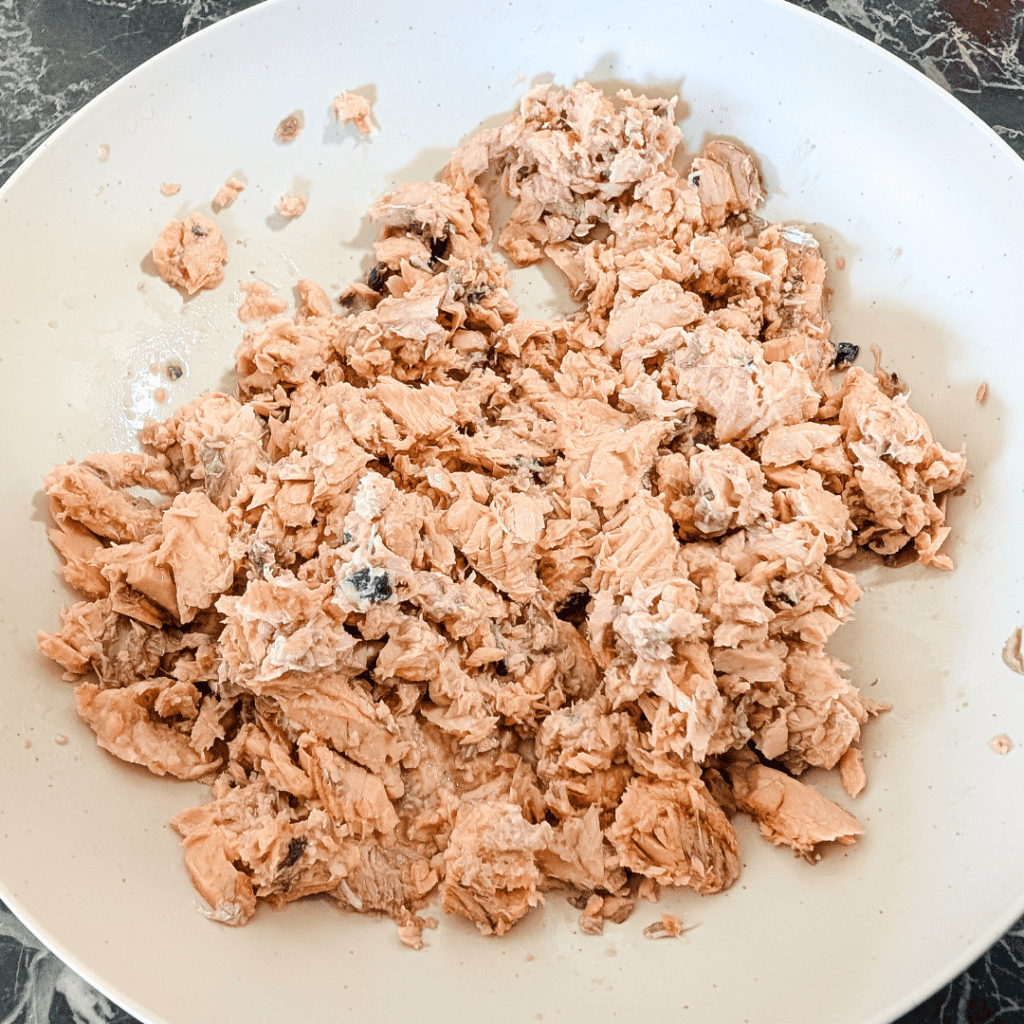
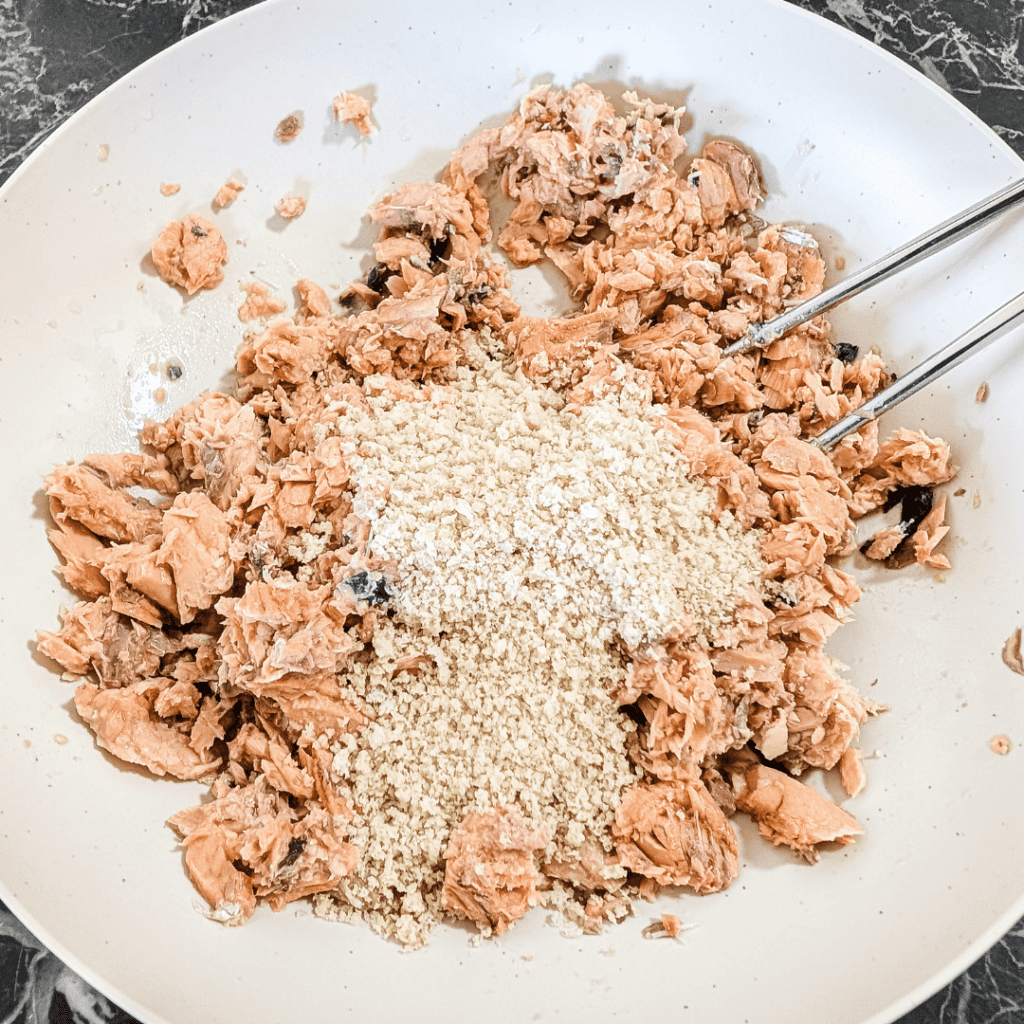

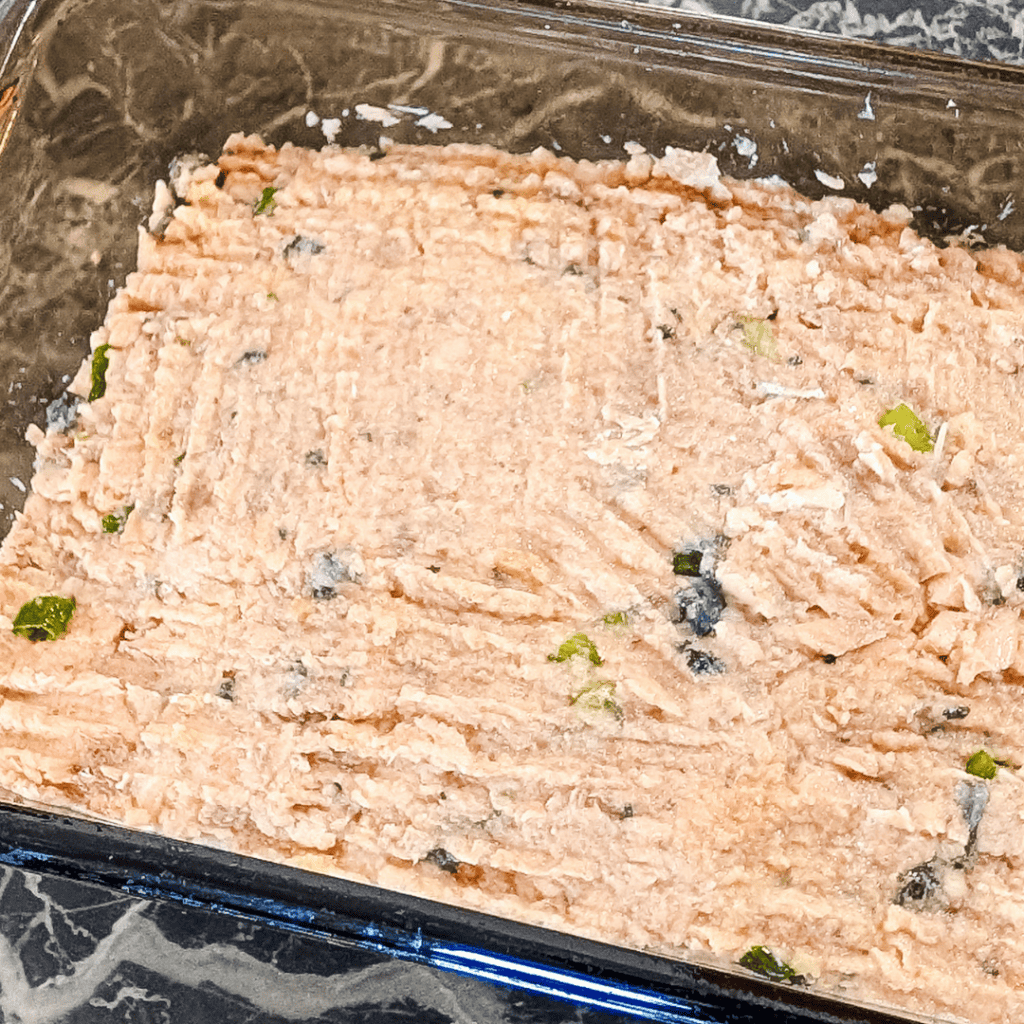
The ease of making this salmon loaf is excellent when you’re in a time crunch. Plus, it’s a nice change from heavier meat dishes.
Place the salmon mixture into the loaf pan and press it down so it’s level and flat across the surface. Then, you can simply need to slip it into the preheated oven.
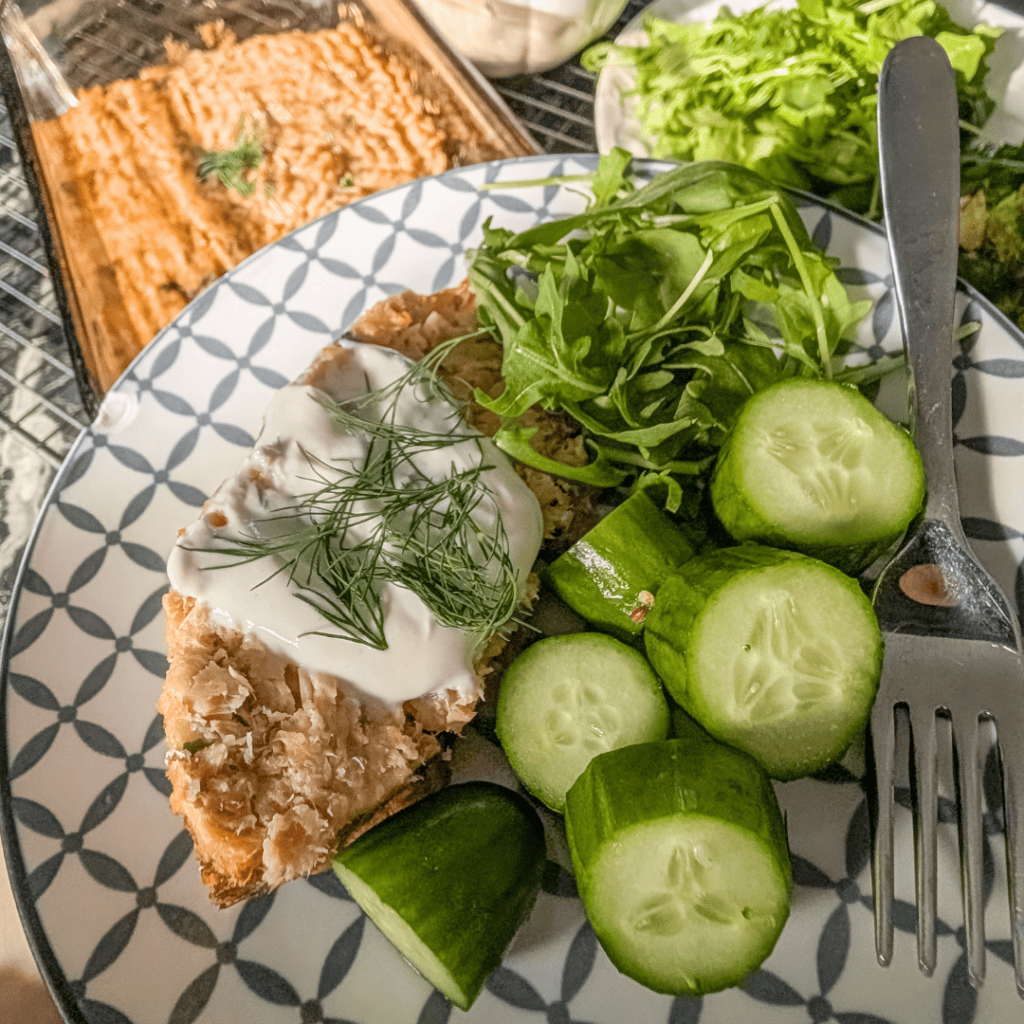
The sauce can be made now while you wait for the loaf to bake. It’s a simple blend of Greek yogurt, fresh dill, Dijon mustard, and lemon juice. The tangy dill sauce is the ideal accompaniment to the salmon and provides excellent contrast. A generous dollop on each loaf slice served with steamed green beans and roasted potatoes makes a complete meal.
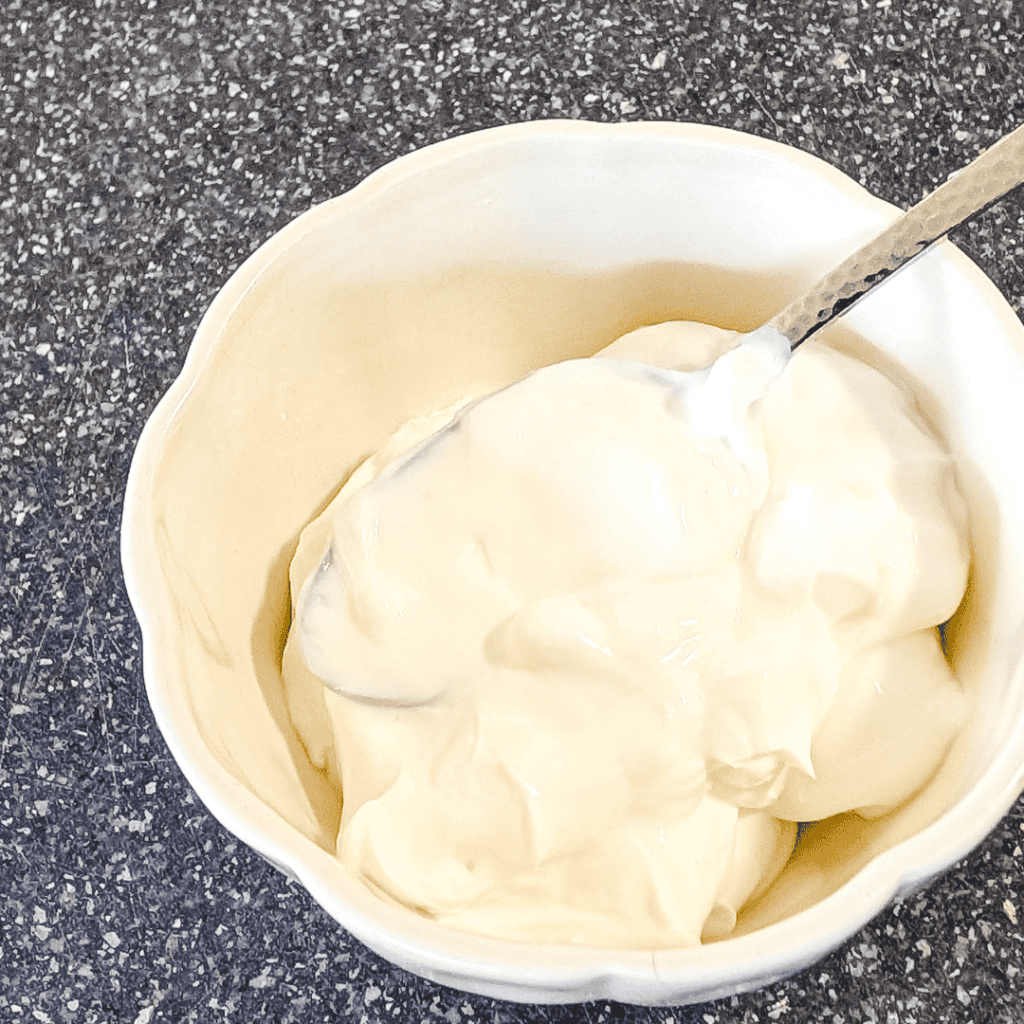
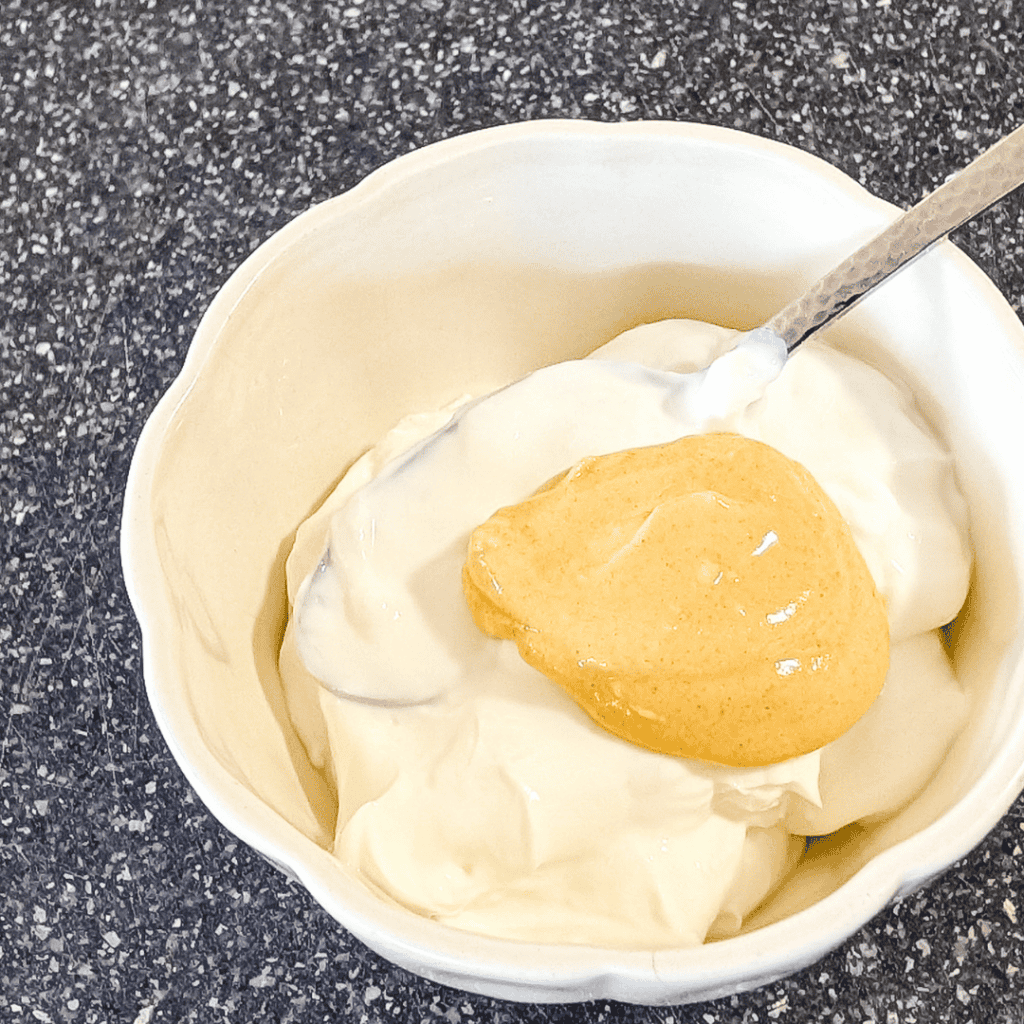
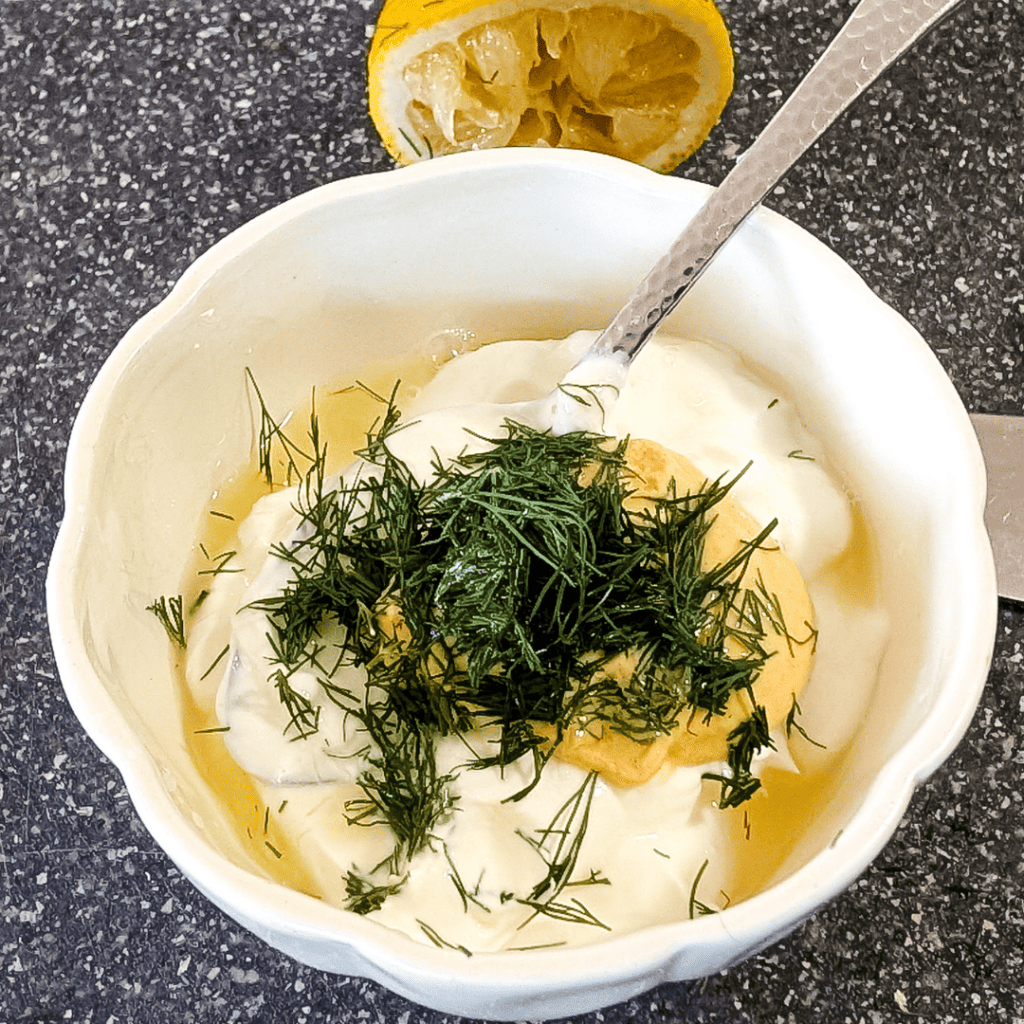
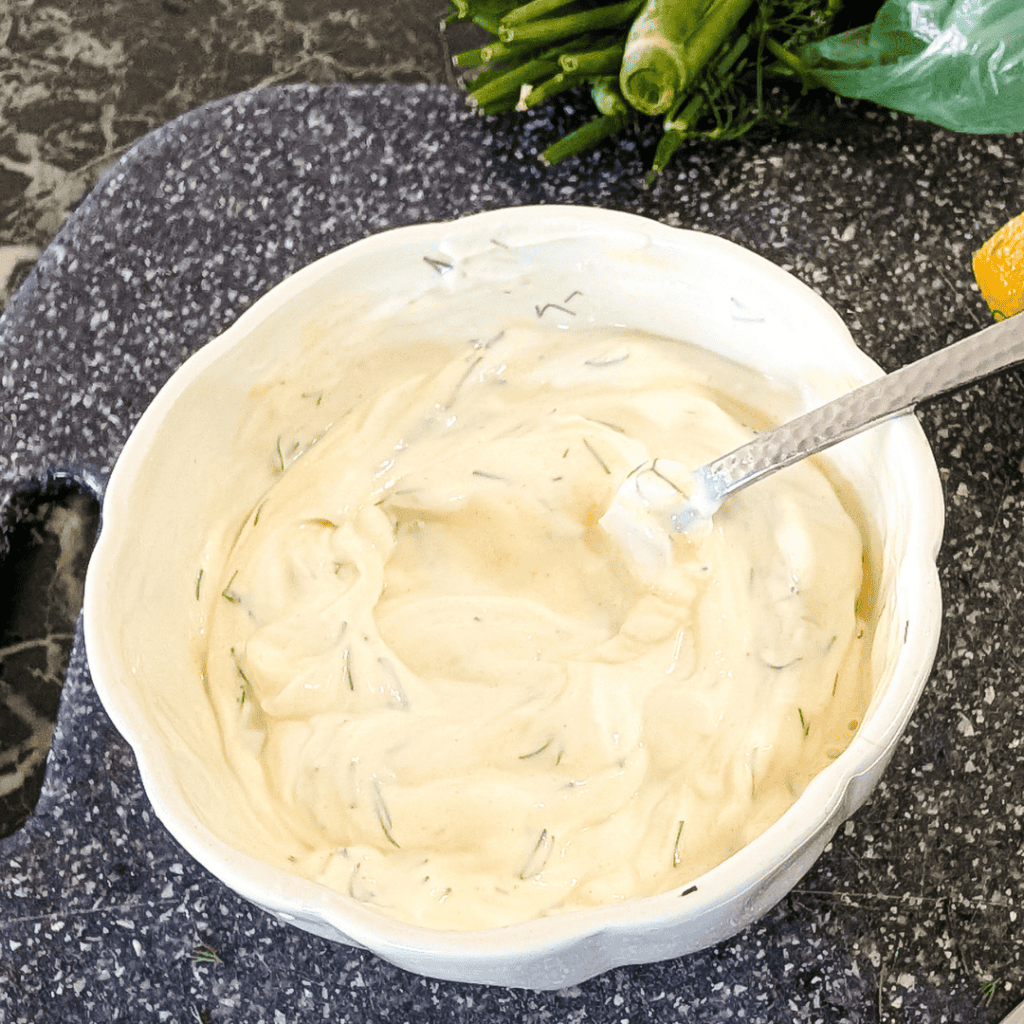
The finished salmon loaf should feel firm enough to slice but still remain soft and moist inside. Because the loaf is more delicate than traditional beef meatloaf, it helps to lift slices using a spatula instead of a fork alone.
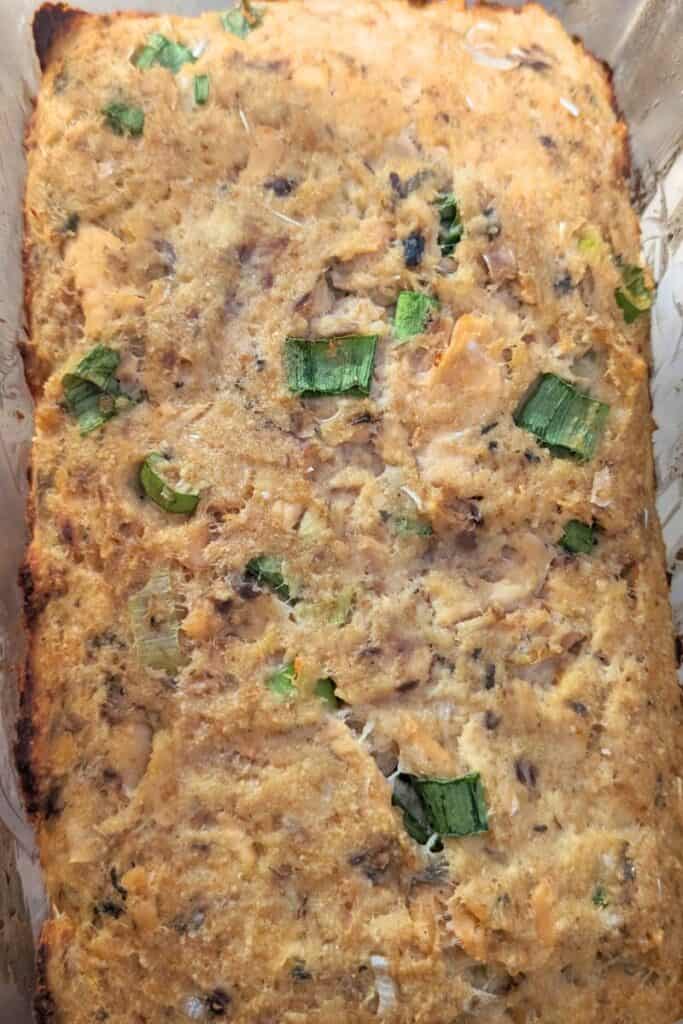
After the loaf has cooked, remove it from the oven and cut it into slices. A regular loaf pan size can be divided into five to six thick slices for dinner. This is best served immediately and only keeps up to four days in the fridge if you have leftovers. We doubt you will, though, as it’s that tasty.

Common Mistakes When Making Salmon Loaf
- Adding too many breadcrumbs can make the loaf dry and dense.
- Covering the loaf traps excess moisture.
- Overbaking dries out the salmon mixture.
- Lifting slices too roughly can cause crumbling.
Ingredients:
Canned Salmon: Undrained, this canned seafood is full of rich flavor and Omega-3 fatty acids, making it a healthful choice for dinner.
Large Eggs: The size of the eggs is not overly important when adding them, as I have made this with every egg size. But for today, we are using two large eggs. The eggs help bind the mixture and retain moisture during baking.
Bread Crumbs: These are filler because, let’s be honest, two cans of salmon are not much in volume. The crumbs also bind the mixture together with the help of the egg. These are not to be confused with panko breadcrumbs, which have a different texture.
Green Onion: We are using only green onions to add a depth of flavor to the loaf. When baked directly in the loaf, they lift the taste of the earthy salmon, making it more complex.
Milk: The proteins in milk, specifically whey and casein, can act as binders in the salmon loaf. This helps hold the ingredients together, providing structure to the dish. It also adds moisture, tenderness, and flavor and helps to achieve a consistent texture to the salmon batter.
Greek Yogurt: This healthy food option is thick and tangy and makes an excellent base for the sauce. Its tanginess elevates the fish dish from flat to all that! If you’re skeptical, don’t be; it’s a marriage made in heaven.
Lemon Juice: A splash of juice complements the herbal notes of fresh dill and the slight spiciness of Dijon mustard. The combination of these ingredients creates a harmonious blend.
Dijon Mustard: Besides adding a bit of spice to the cream sauce, mustard acts as a natural emulsifier. It helps stabilize the mixture of ingredients, preventing the separation of liquids and creating a smoother, well-integrated sauce.
Fresh Dill has a unique flavor profile, combining grassiness, citrus, mild licorice, or anise notes. Its refreshing and slightly tangy taste makes it a versatile herb that complements this fish loaf.
Substitutions and Add-Ins For The Salmon Loaf
Canned Salmon: If canned salmon isn’t economically suitable for your food budget, sub it for tuna. A fresh tuna loaf can be just as delish as salmon. Remember that some canned tuna is packed looser than salmon, so you will want to pay attention to the weight. Also, because tuna is packed looser, you must drain it slightly. Using chunk tuna would be a better choice vs. flaked for this recipe as it more closely mimics the texture of canned salmon.
Large Eggs: As stated, you can get away with using different sizes of eggs just fine. If you have an egg allergy, omit them from the recipe altogether. The resulting loaf will be different as the eggs add binding to the recipe. You can try using an egg replacer, but this recipe has not been tested using such.
Milk: In a pinch, you can use water as a substitute for milk, as the recipe only calls for half of a cup milk. However, water won’t add the same richness and flavor as milk, so you may need to adjust other ingredients to compensate.
Bread Crumbs: Instead of bread crumbs, try using crushed saltine crackers. A straight 1:1 ratio for replacing will work with a similar outcome.
Green Onion: Also known as scallions, this green member of the allium family can be replaced with equal parts leek stem cut finely or fresh chives. Remember that leeks and chives have milder flavors, so you may increase the amount used in the recipe.
Add a pinch of fresh herbs like tarragon to the fish mixture if you want a slightly different twist on this salmon loaf. Tarragon has a slightly sweet and anise-like (licorice) flavor that pairs well with salmon. Use it sparingly, as it has a strong taste. Or fresh parsley, which can add another fresh component that complements the richness of the salmon. It adds a nice touch without overpowering the dish.
Greek Yogurt: This is the base of the lemon dill sauce and is easily switched out for sour cream. If you want to maintain a bit of healthfulness, try using a low-fat option. Another option is just plain yogurt; this is thinner in consistency, though, so it will change the outcome of the finished sauce. Another option is to use silken tofu as the sauce base. Silken tofu can be blended to create a smooth and creamy texture. It’s neutral in flavor, so it won’t overpower the other ingredients.
Expert Tips, Serving and Storing Suggestions
Tip#1: Be sure to have the correct salmon weight so that the binders and fillers ratio is balanced right.
Tip#2: Bake this uncovered to develop a crust. Covering it will result in too much moisture condensing on the surface of the loaf.
Tip#3: Serve the cream sauce chilled from the fridge. It can be made a day ahead if needed, allowing the dill flavor to infuse the sauce more.
This savory salmon loaf works especially well with creamy dill sauce and roasted potatoes. Add your other favorite sides like green beans or other steamed vegetables that pair well. If you prefer, a side salad of leafy greens also goes well for a lighter dinner option. Still looking for another accompaniment? Try serving it on a bed of rice or quinoa, which provides a neutral side for the fish dish.
Creamy dill sauce is my preferred sauce for salmon loaf because the bright lemon and dill contrast the richness of the fish. Tartar sauce, white cream sauce, hollandaise sauce, and simple lemon wedges also pair well with old fashioned salmon loaf recipes depending on the style of dinner you want to serve.
Leftover salmon loaf will keep in the fridge for three to four days. Be sure to cool and cover it in an airtight container. Do not leave it out too long, as cooked salmon loaf at room temperature can increase the risk of bacterial contamination.
Although you can freeze this salmon loaf, I don’t recommend it as it will lose its texture and not thaw well. It’s best made on the day of use.
FAQ
Old Fashioned Salmon Loaf Recipe With Canned Salmon

Equipment
- mixing bowl
- Loaf Pan
- Small Mixing Bowl
- knife
- Cutting board
Ingredients
Salmon Loaf
- 2 Cans Salmon 213gm or 8oz
- ½ Cup Bread Crumbs
- 1 Lrg Egg
- ½ Cup Milk
- 2 Green Onion Just the green stems
Dijon Dill Sauce
- 1 Cup Greek Yogurt
- ½ Lemon Juiced
- 3 Tbsps Fresh Dill Weed Chopped
- 1 Tsp Dijon Mustard
Instructions
Making the Salmon Loaf
- In mixing bowl add the cans of salmon, remove bones if preferred.2 Cans Salmon
- Add remaining ingredients mix well.½ Cup Bread Crumbs, 1 Lrg Egg, ½ Cup Milk, 2 Green Onion
- Put the salmon mixture into a ungreased loaf pan.
- Bake at 350℉ for thirty to forty minutes uncovered.
- Test loaf for doneness. Loaf will be browning near edges and be drier on top.
- Remove from oven, slice and serve while hot.
Dijon Dill Sauce
- Measure the Greek yogurt and Dijon into small bowl.1 Cup Greek Yogurt, 1 Tsp Dijon Mustard
- Chop the dill weed on a cutting board. Measure and add to the sauce.3 Tbsps Fresh Dill Weed
- Squeeze half a lemon and add juice to sauce.½ Lemon
- Mix to blend well.
Serving
- Serve a slice of the salmon loaf with a large dollop of the Dijon dill sauce.
Nutrition