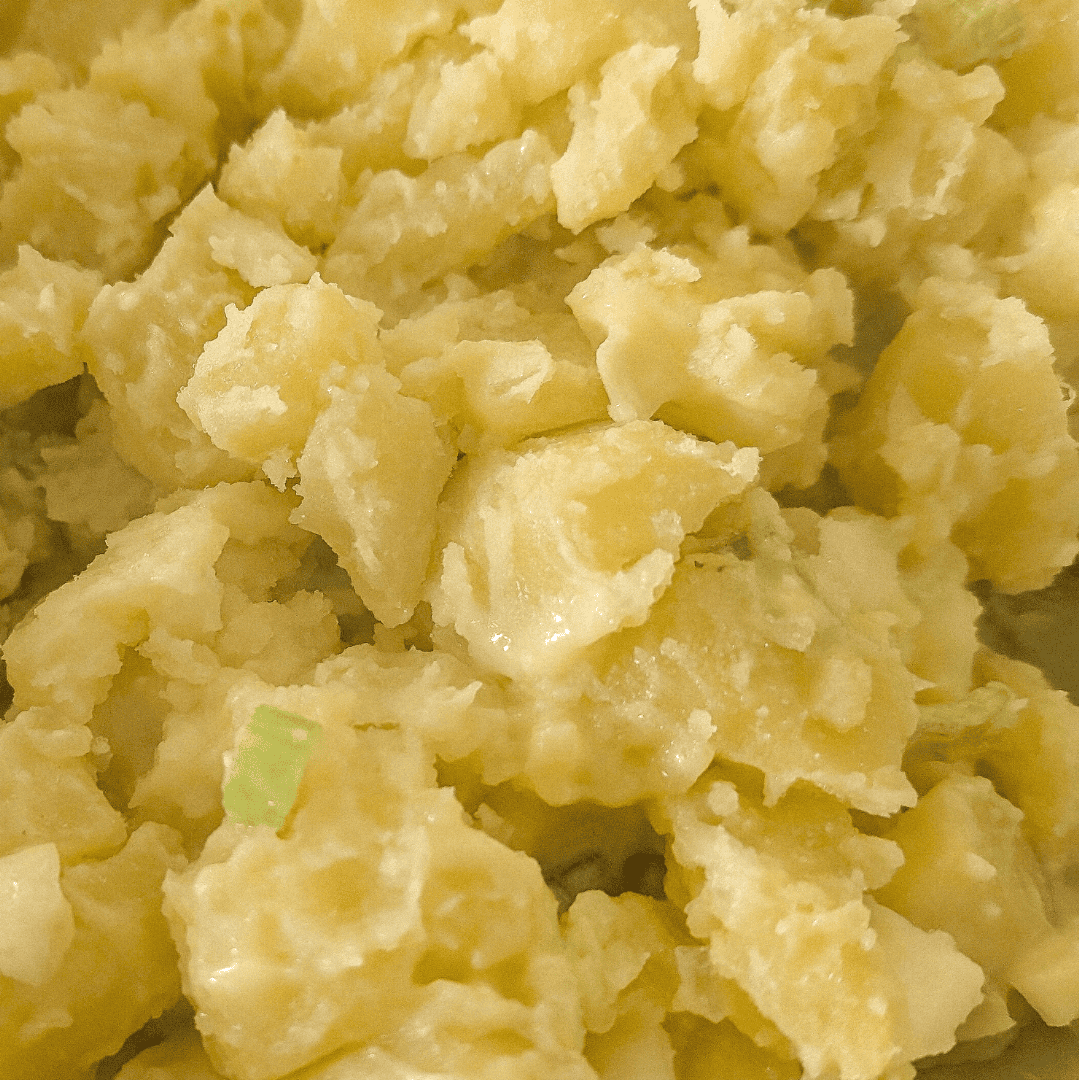
Amish Potato Salad with Eggs
This creamy Amish salad is the perfect blend of sweet, tangy, and comforting — all without a drop of mayo. Instead, it uses a cooked egg-based dressing made with yellow mustard, apple cider vinegar, and a touch of sugar, giving it a custardy texture and signature tangy flavor. Tender chunks of yellow potatoes, hard-cooked eggs, and red or yellow onions come together for a creamy salad that’s just right for summer barbecues, picnics, or any potluck table. It’s a homemade potato salad with heart—simple ingredients, bold flavor, and a creamy texture that only gets better the next day.
When my partner asked for potato salad again — it’s a summer favorite around here — I didn’t want to spend a ton of time making my usual go-to. My family’s regular potato salad is delicious, but all the chopping and layering can take a fair bit of effort. This simpler Amish-style version was the perfect solution. It comes together quickly, holds up beautifully in the fridge, and also makes a great meal prep option for his work lunches.
If you’re also trying to keep summer sides flavorful and straightforward, here are a few more salads my family loves to have on rotation.
- Sweet Beet and Kale Salad with Maple Apple Vinaigrette – earthy-sweet beets, crisp kale, and a tangy-sweet dressing perfect for fall harvest vibes or holiday dinners
- Chickpea Feta Summer Salad with Avocado – packed with protein, creamy avocado, and a lemony vinaigrette that’s perfect for BBQs and make-ahead lunches
- Mediterranean Bulgur and White Bean Salad – light, herby, and filling enough to serve as a main dish on hot days
Why You’ll Love This Recipe
No mayo, but ultra creamy. Thanks to the cooked dressing, which includes eggs, vinegar, and mustard, it has a luscious, creamy texture — no Miracle Whip or mayonnaise needed.
Sweet, tangy, and balanced. The flavor hits all the right notes: a hint of sweetness, a hint of sourness, and that nostalgic mustard zing.
Perfect make-ahead salad. Chill it in an airtight container, and it’ll taste even better the next day. It’s a great summer side dish that fits in at any picnic or potluck.
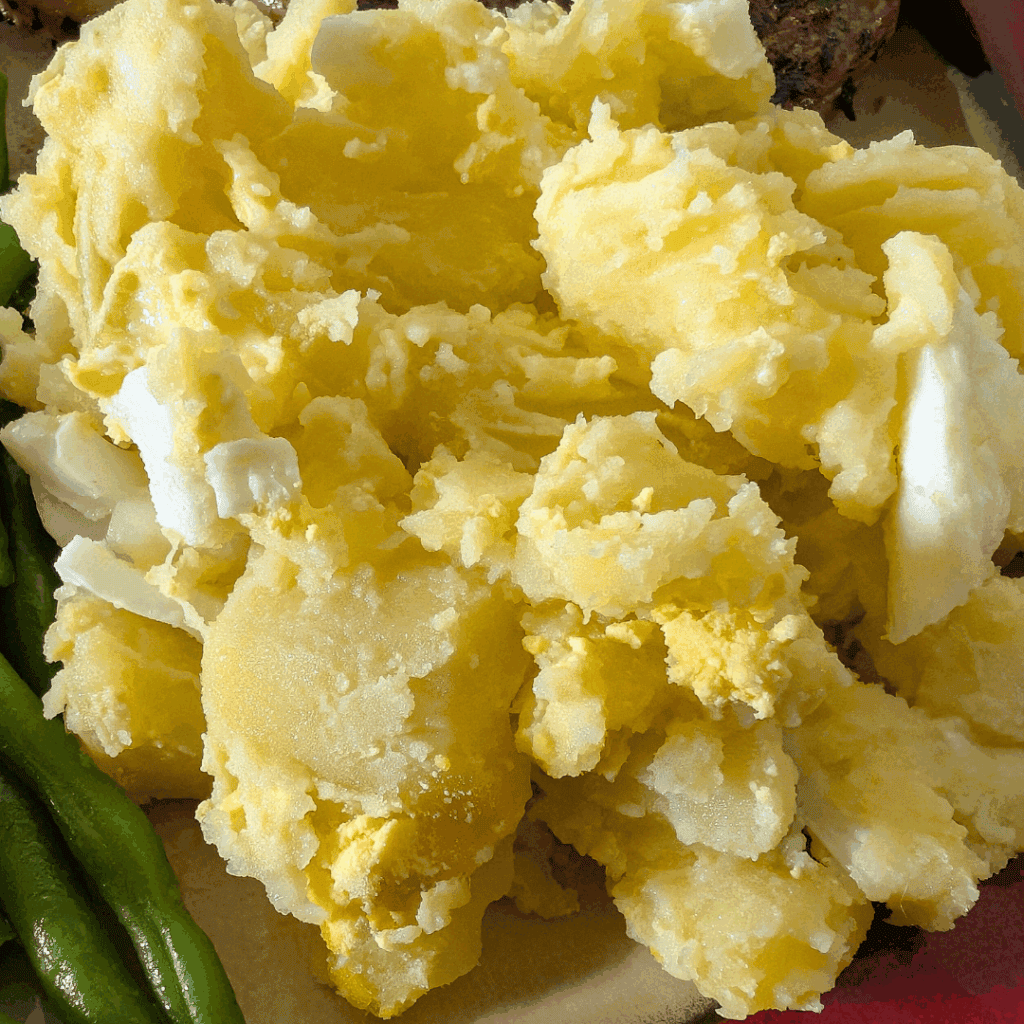
A Classic Amish Recipe With Old-Fashioned Roots
This traditional Amish potato salad traces its roots back to the German-speaking settlers who arrived in North America in the 1700s — many of whom later became part of the Amish and Pennsylvania Dutch communities. It’s a dish that proves how a handful of basic ingredients, when used well, can create something deeply satisfying. Instead of using store-bought salad dressing or heavy mayonnaise, Amish cooks relied on simple pantry staples, such as hard-cooked eggs, yellow mustard, vinegar, and sugar, to create their signature tangy dressing. It’s a method built on thrift, flavor, and tradition.
Here in Canada, especially in southwestern Ontario, this classic Amish-style potato salad remains a staple on family tables, market counters, and community suppers. Places like Waterloo County, St. Jacobs, Elmira, and Stratford are home to thriving Old Order Mennonite and Amish communities, where recipes like this are often made in large batches for summer picnics, farm lunches, and church gatherings. If you’ve ever picked up a tub of “Amish-style potato salad” at a local farmers’ market in Ontario. In that case, chances are it’s inspired by this very recipe — sweet, tangy, and lovingly made from scratch.
Whether you grew up with these flavors or are discovering them for the first time, this creamy Amish potato salad delivers the kind of homemade comfort that’s right at home on any Canadian summer table.
How to Make This Classic Potato Salad
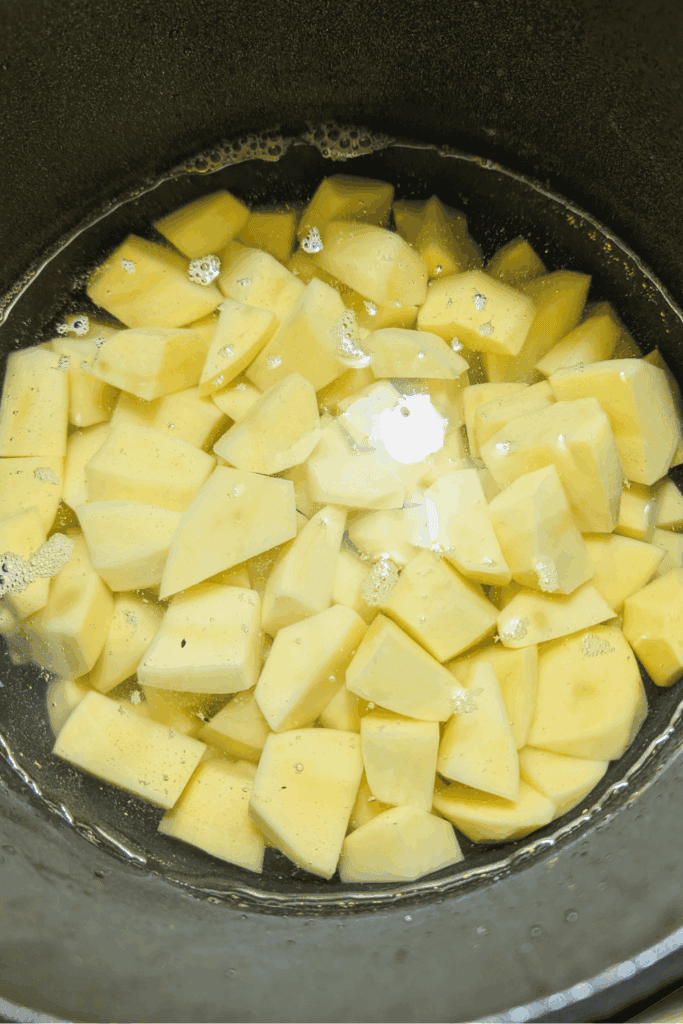
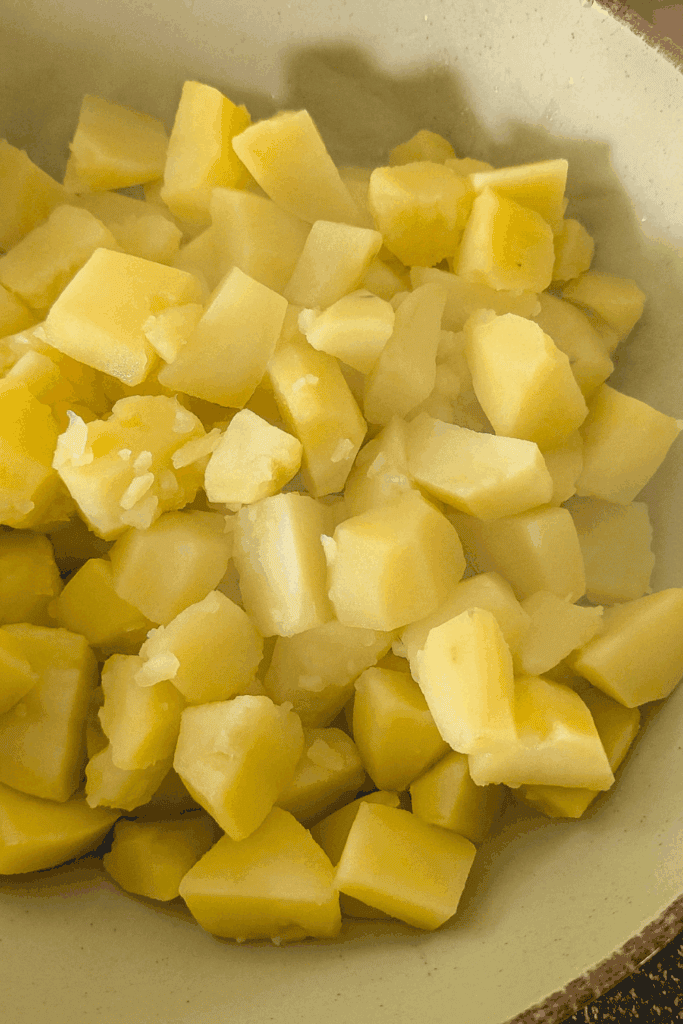
If you’re new to making this kind of salad, don’t worry — the cooking process is simple and approachable, even for beginners. Start by peeling your potatoes and cutting them into small, evenly sized cubes — not too big, just enough for a bite or two per forkful. Having uniform pieces makes sure they cook evenly and gives the salad that classic, tidy look. Place the diced potatoes in a large pot and cover with enough water to submerge them fully. Add a generous pinch of salt to create salted water, which season the potatoes as they cook. Set that pot on the stove over medium-high heat and bring to a boil.
While the potatoes are cooking, you can boil your eggs in a separate small pot. Cover the eggs with cold water, bring to a boil, then reduce to a simmer and let them cook for 10 to 12 minutes. Once they’re done, drain the hot water and run the eggs under cold water for 2–3 minutes — this helps the shells come off much easier. They’ll still be hot to the touch, but the shock of cold helps the membrane separate, allowing the shell to slip right off.

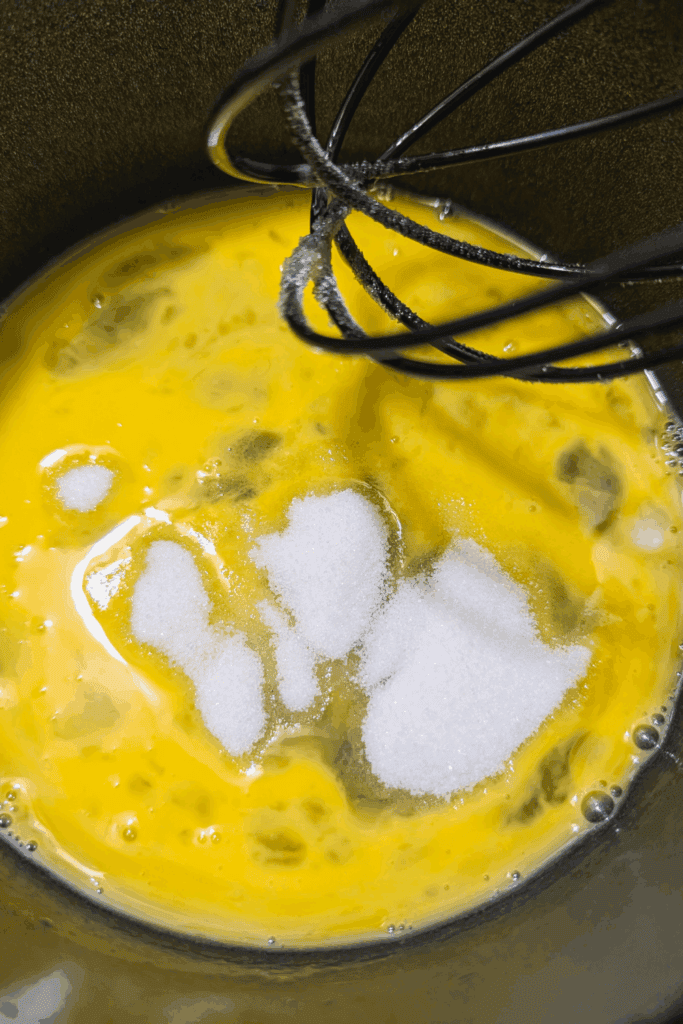
While both pots are cooking, prepare your salad dressing: in a small saucepan, whisk together two eggs, two tablespoons of white sugar, half a teaspoon of Dijon mustard, a quarter cup of apple cider vinegar, and two tablespoons of butter. No particular order is needed after the eggs are beaten.
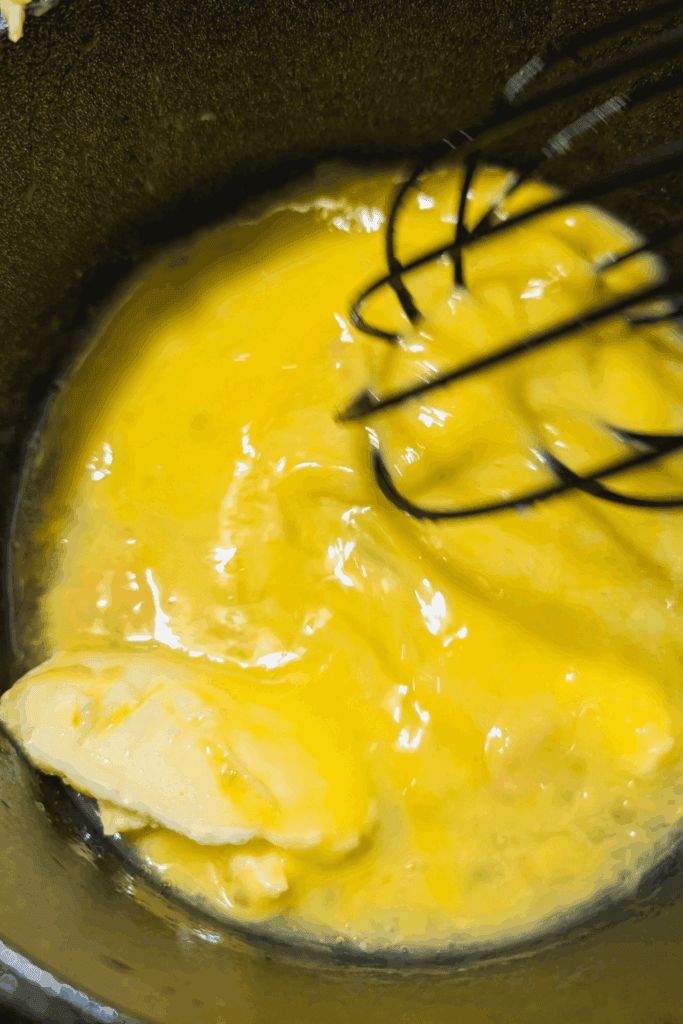
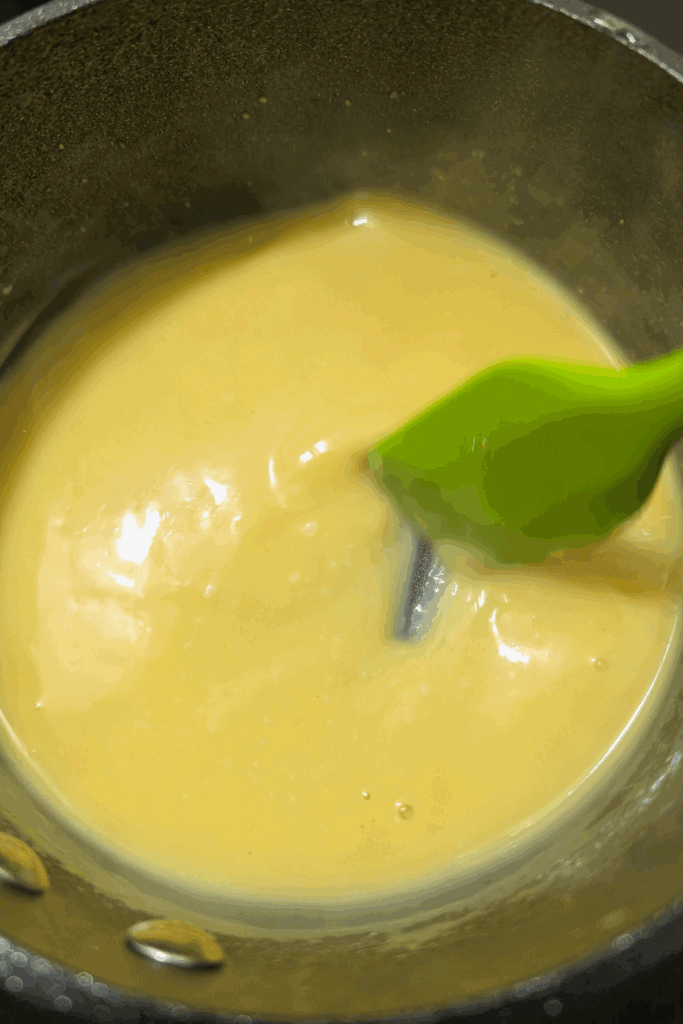
Place the small saucepan over medium heat and continue whisking until the dressing thickens slightly and turns glossy — this typically takes 5 to 7 minutes. You’re looking for a smooth, pourable consistency, just thick enough to coat the back of a spoon. Set it aside once it’s ready.
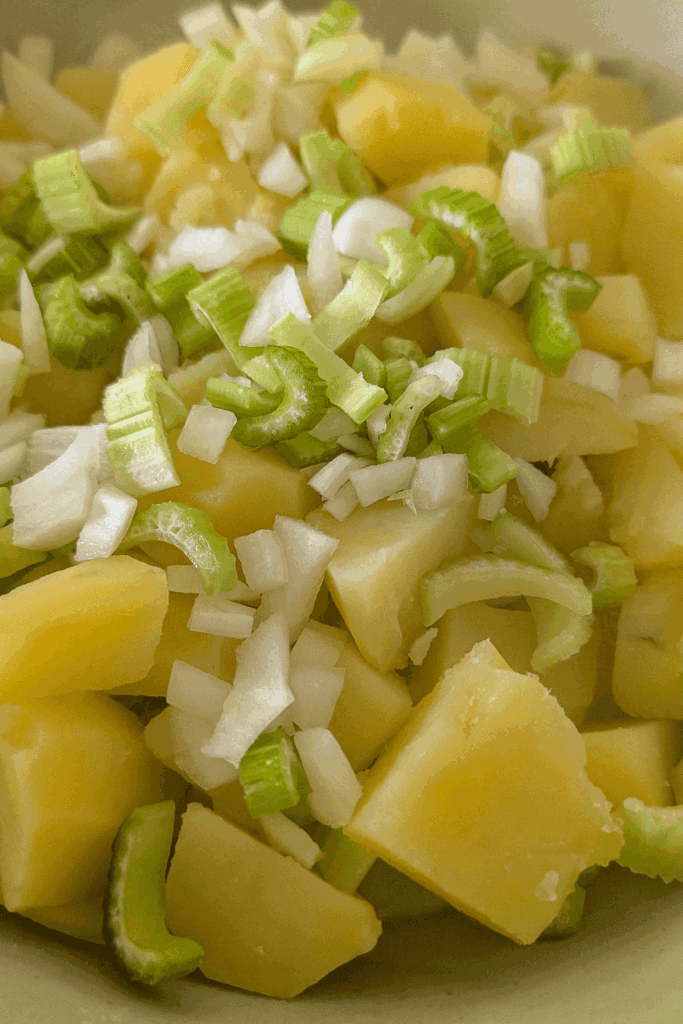
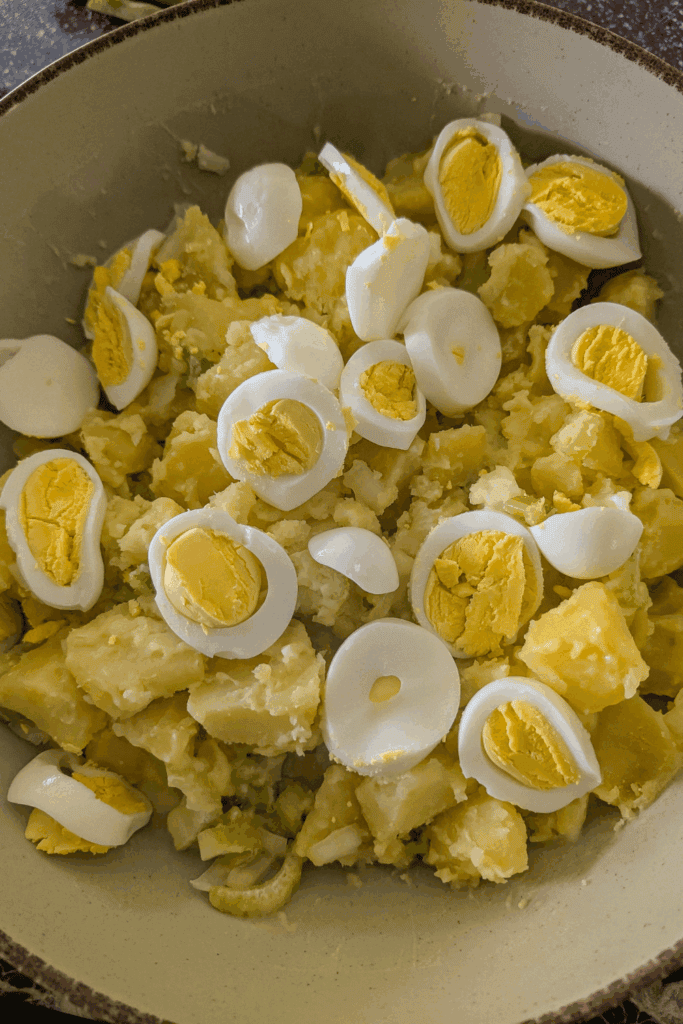
By now, your potatoes should be fork-tender, about 8 to 10 minutes from boiling. Drain them in a colander and immediately run them under cold water for a minute or two. This stops the cooking and cools the potatoes just enough, so they don’t fall apart or turn mushy when you mix in the warm dressing.
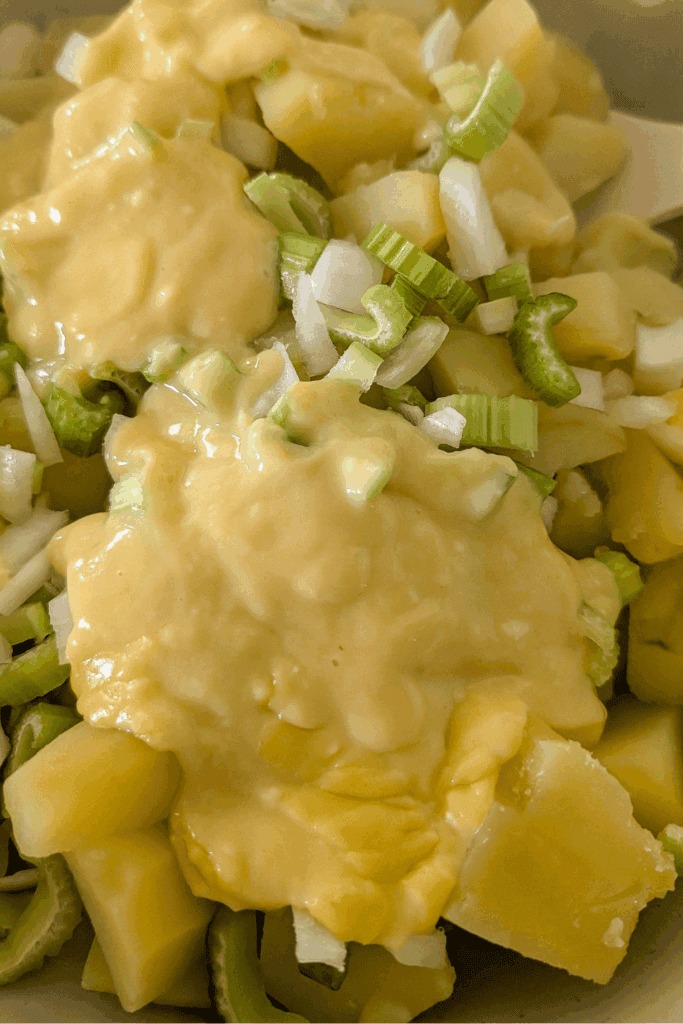
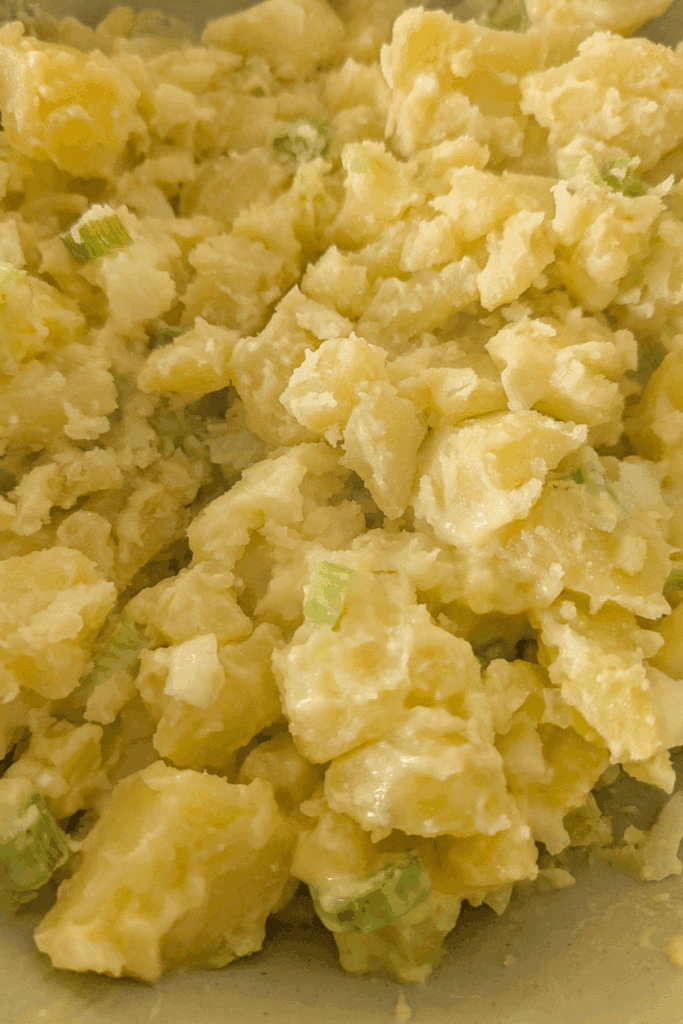
Add the cooked, diced potatoes, hard-boiled eggs (sliced or chopped, depending on your preference), diced onion (red or yellow), and sliced celery stalks into your large salad bowl.
Pour the warm dressing over the potato salad and gently fold in with a spatula or large spoon until coated. Don’t overmix — you want those potato pieces to hold their shape. Sprinkle a little pinch of salt and some freshly cracked black pepper over the top to finish.
Let the salad cool slightly on the counter, then cover it and refrigerate in an airtight container for several hours or overnight. This gives the flavors time to soak in and the texture to set into that signature creamy Amish-style potato salad you’ll be proud to serve.
Ingredients
This potato salad uses yellow potatoes, hard-boiled eggs, celery, and onion with a warm cooked dressing made from eggs, vinegar, mustard, butter, and a little sugar for balance.
Yellow potatoes: Have a creamy texture while still holding their shape well, making them a good choice for potato salad.
Hard-boiled eggs: Add richness and a familiar, tender texture throughout the salad.
Celery: Adds fresh crunch that contrasts with the soft potatoes.
Onion: Adds mild sharpness and helps balance the creamy dressing.
Eggs (for dressing): Create a thick, silky base when gently cooked.
White sugar: Adds a little sweetness to balance the vinegar.
Dijon mustard: Adds gentle tang and depth without overpowering the dressing.
Apple cider vinegar: Gives the dressing its signature tangy flavor.
Butter: Adds richness and smoothness to the warm dressing.
Salt: Enhances the flavors in both the salad and dressing.
Black pepper: Optional, but adds a little warmth to the finished salad.
Substitutions and Add-Ins For The Best Amish Potato Salad.
Yellow potatoes: These can be substituted with red potatoes or white potatoes; avoid russets, as they tend to fall apart easily.
Hard-boiled eggs: No substitute is needed, but they can be chopped instead of sliced, depending on preference.
Celery – can be replaced with diced cucumber or omitted entirely if you prefer less crunch.
Onion – substitute with green onion or sweet onion for a milder flavor
Eggs (for dressing) – no substitute recommended; necessary for thickening the dressing
White granulated sugar – Remains-
Dijon mustard – can be substituted with yellow mustard for a milder, more classic flavor.
Apple cider vinegar – Replace with either white vinegar or rice vinegar, though the flavor will vary slightly.
Butter – swap with margarine or plant-based butter if dairy-free is needed
Salt – no substitute needed
Black pepper – optional; can be left out or replaced with a dash of paprika for color and mild spice.
Expert Tips, Serving And Storing Suggestions For This Salad.
Tip #1: Cook potatoes in salted water until just tender — boiling them whole with the skin on helps preserve their texture and makes peeling easier.
Tip #2: Stir the cooked dressing constantly, and avoid letting it boil too quickly — you want it smooth, not scrambled.
Tip #3: Make it a day ahead. The flavor develops beautifully overnight, and the texture improves after the salad has completely chilled.
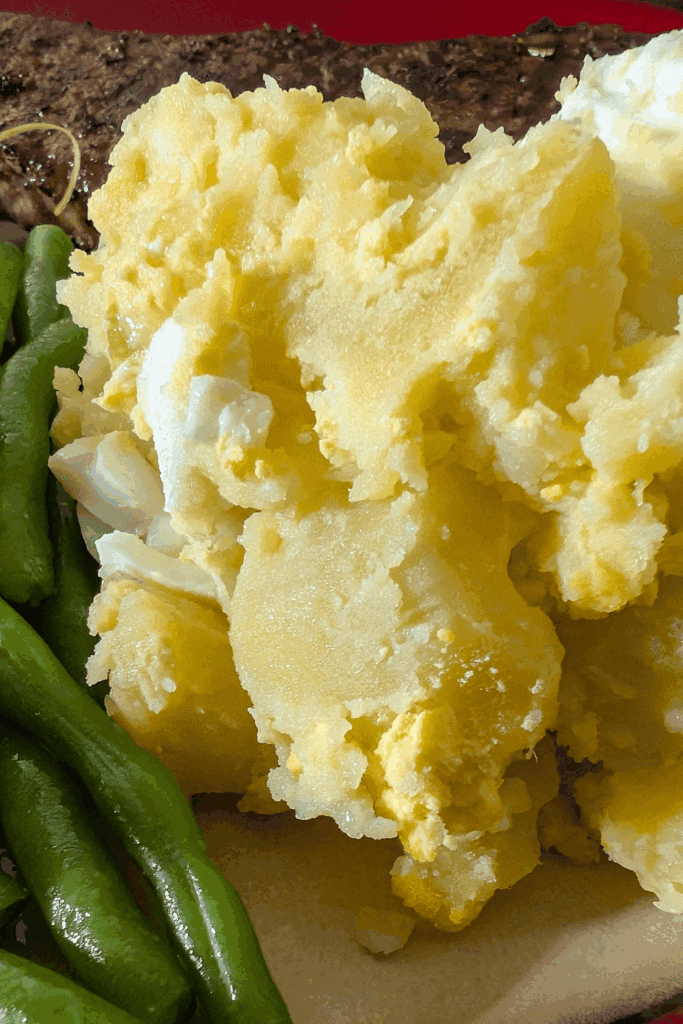
This creamy Amish potato salad is a favorite for summer picnics, church lunches, and Sunday dinners. Serve it cold in a large serving bowl next to grilled meats, corn on the cob, or your favorite veggie burgers. It’s also a hit at potlucks, especially when paired with deviled eggs, cold fried chicken, or sliced garden tomatoes.
Store any potato salad leftovers in an airtight container in the fridge for 3–4 days. It’s best served cold, and the flavor improves on the second day. Don’t freeze — the texture won’t hold up.
If you tried this Amish-style potato salad, I’d love to hear what you thought! Leave a comment and rating below to share your version — and let me know if you served it for a summer barbecue, a family dinner, or simply because you were craving a delicious salad with a tangy dressing and creamy texture.
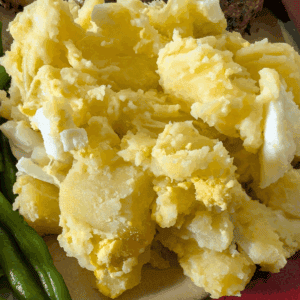
Easy Amish Potato Salad With Eggs (No Mayo)

Equipment
- Large Pot
- 2 Small Saucepan
- Colander
- mixing bowl
- Whisk
- Spatula
- Tablespoon
- Teaspoon
Ingredients
The Potato Salad
- 6-8 Cups Yellow Potato Diced, cooked
- 1 Medium Onion Yellow or Red, Diced
- 3 Stalks Celery Sliced Thin
- 4 Lrg Eggs Hard-boiled
The Egg Salad Dressing
- 2 Lrg Eggs Whisked
- ½ Tsp Dijon Mustard
- 2 Tbsp White Sugar
- ¼ Cup Apple Cider Vinegar
- 2 Tbsp Butter
- Salt To taste.
- Black Pepper Optional (for finishing)
Instructions
Boil Potatoes:
- Place diced potatoes in a pot with salted water.6-8 Cups Yellow Potato
- Bring to a boil and cook until fork-tender, 8–10 minutes.
- Drain and rinse under cold water to cool.
Boil Eggs:
- In a separate pot, cover eggs with cold water.4 Lrg Eggs
- Bring to a boil, reduce heat, and simmer 10–12 minutes.
- Drain and rinse under cold water, then peel and chop.
Make Salad Dressing:
- In a small saucepan, whisk together 2 eggs, sugar, Dijon mustard, apple cider vinegar, and butter.2 Lrg Eggs, ½ Tsp Dijon Mustard, 2 Tbsp White Sugar, ¼ Cup Apple Cider Vinegar, 2 Tbsp Butter
- Cook over medium heat, stirring constantly until the dressing thickens (about 5–7 minutes).
- Remove from heat and let cool slightly.
Assemble The Potato Salad:
- In a large bowl, combine cooked potatoes, hard-boiled eggs, diced onion, and celery.6-8 Cups Yellow Potato, 1 Medium Onion, 3 Stalks Celery
- Pour warm dressing over and gently fold until well coated.
- Add salt to taste.Salt
- Sprinkle with black pepper.Black Pepper
- Let salad cool slightly, then refrigerate for several hours or overnight in an airtight container. Serve cold.
Notes
- Use yellow, red, or white potatoes — but avoid russets, as they tend to fall apart.
- Make it a day ahead for the best flavor and texture. It gets creamier overnight!
- Don’t skip rinsing the potatoes with cold water after boiling — it keeps them from getting mushy when mixed with warm dressing.
- Store leftovers in an airtight container in the fridge for 3–4 days.
- Do not freeze — the texture will break down and become watery.
Nutrition