Herb Crusted Pork Tenderloin with Dijon and Za’atar
This herb crusted pork tenderloin has a crispy, golden breadcrumb coating made with Dijon mustard, za’atar seasoning, paprika, garlic, and a little brown sugar. The pork is pan-fried rather than roasted, making it an easy way to prepare a flavourful dinner without using the oven.
I used small, rolled pork tenderloin pieces that I found at the grocery store. If you can’t find them, you can make your own rolls from a regular tenderloin or use pork medallions instead. My rolled pieces took approximately 20 minutes to cook.
Quick Answer
This herb crusted pork tenderloin is coated in Dijon mustard and a seasoned mixture of breadcrumbs, za’atar, paprika, garlic powder, and brown sugar. The rolled pork pieces are pan-fried in four tablespoons of oil over moderate heat until golden brown and cooked through, approximately 20 minutes. The result is tender pork with a crispy, flavourful coating, all made without turning on the oven.
Prep Time:
Approximately 10 minutes
Cook Time:
Approximately 20 minutes
Rest Time:
3 minutes
Yield:
Approximately 4 servings
Flavour:
Savoury, tangy, mildly sweet and herb-seasoned
Best For:
Family dinners and weeknight meals
Why I Made This Pork Tenderloin Recipe
I found a small package of rolled pork tenderloin pieces at the grocery store and thought they would make something different for dinner.
I already had za’atar seasoning in my cupboard, along with Dijon mustard and breadcrumbs. Rather than making a traditional roast, I decided to give the pork a seasoned breadcrumb crust and fry the individual pieces in a skillet.
The Dijon mustard worked well for holding the breadcrumbs onto the outside of the pork. I added paprika for colour, garlic powder for flavour, and a teaspoon of brown sugar to balance the tanginess of the za’atar and mustard.
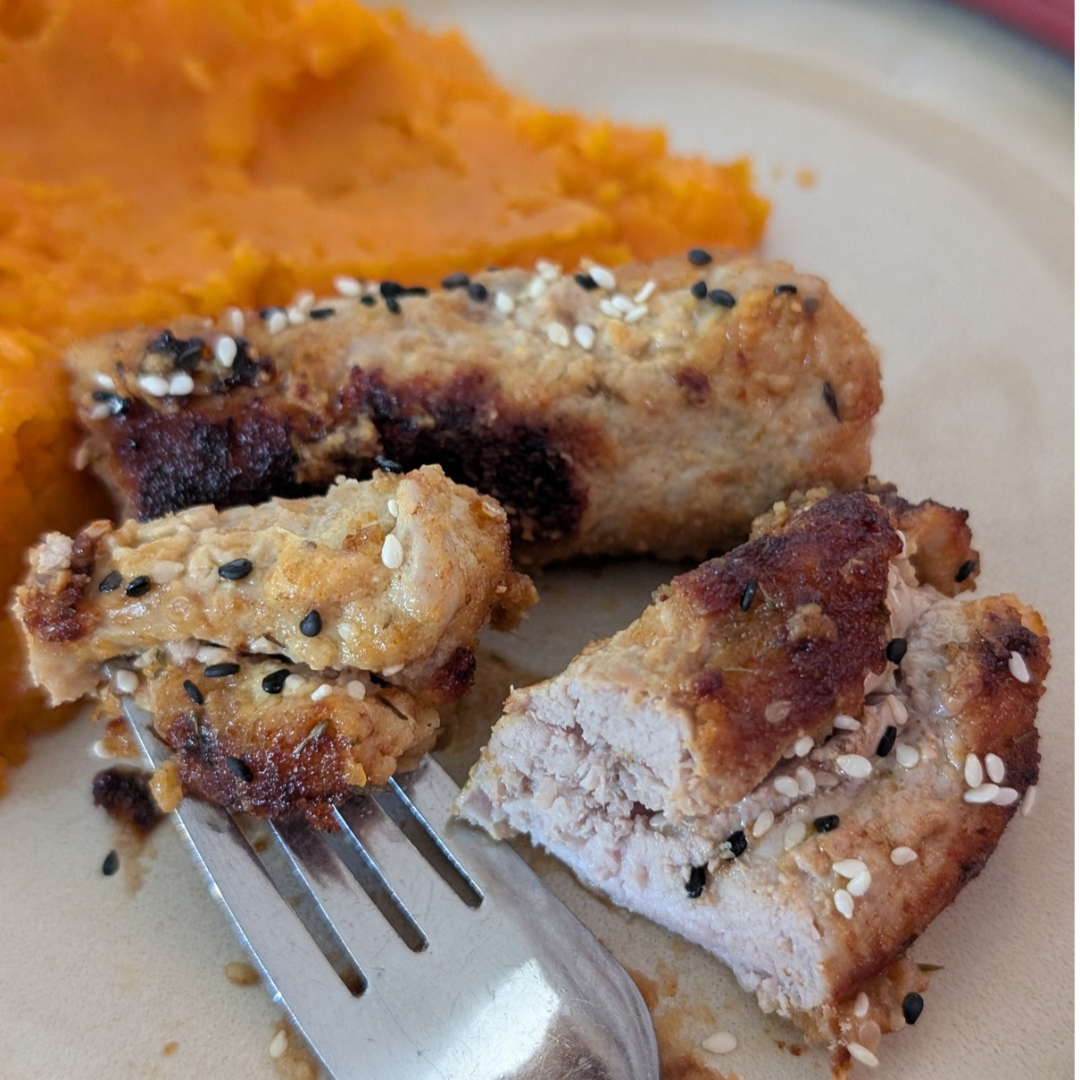
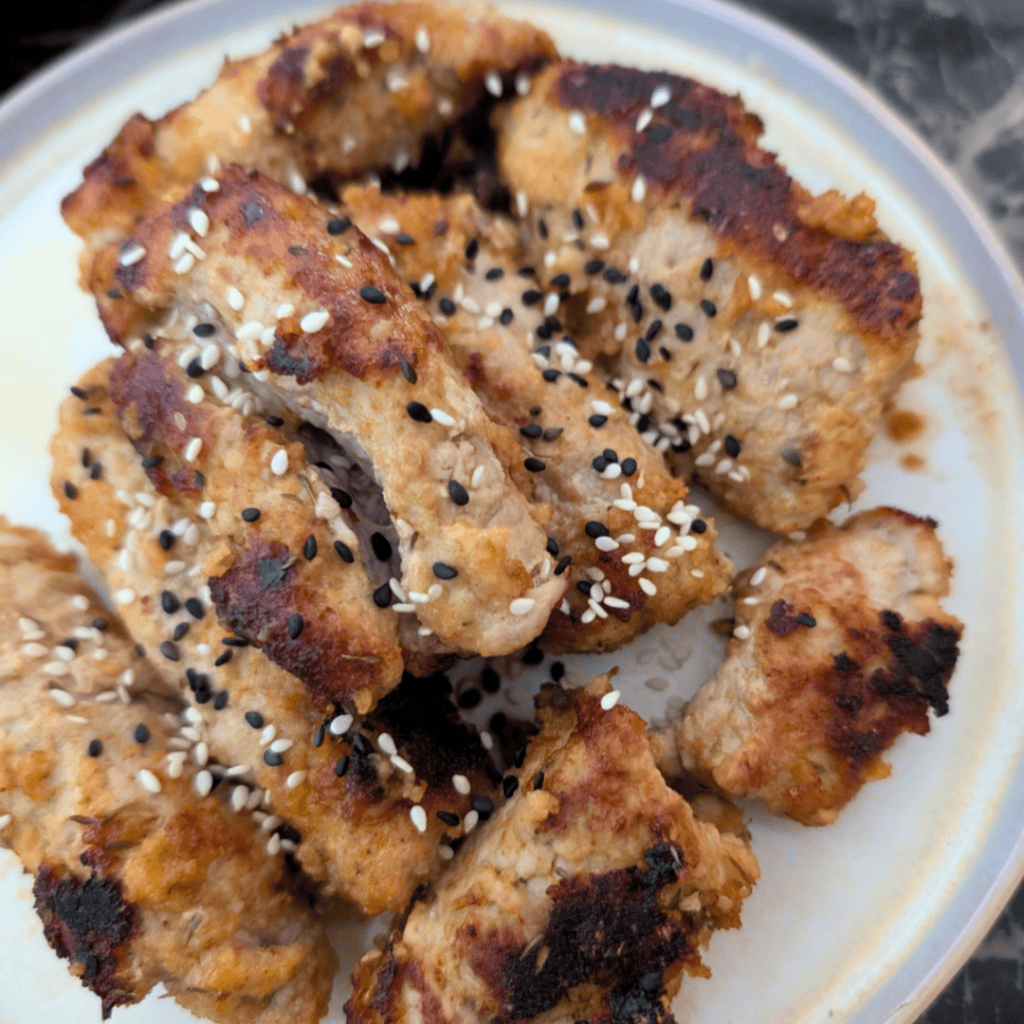
I cooked the pork over moderate heat so the breadcrumb coating could brown without burning. The rolled pieces took approximately 20 minutes, and I finished them with a sprinkle of black and white sesame seeds for presentation.
Cost Rating: 🍳🍳 Moderate Cost — Yield 4 Pork Servings
Cost guideline:
Cost Per Batch: Estimated $12–$18 CAD
Cost Per Serving: Estimated $3–$4.50 CAD
Cost estimates are provisional Canadian grocery estimates, not calculated from a verified receipt. Prices vary by store and location.
The pork tenderloin makes up most of the expense for this recipe. The remaining ingredients are small amounts of pantry staples, including breadcrumbs, mustard, spices, and cooking oil.
The estimated cost assumes approximately one pound of pork. Your total will depend on the price of the tenderloin and whether you already have za’atar in your spice cupboard.
Why You’ll Love This Herb Crusted Pork Tenderloin
A different flavour combination. Za’atar adds a tangy, earthy flavour that works well with the mild pork.
Uses pantry ingredients. Aside from the pork, you may already have most of what you need.
Flexible preparation. Rolled tenderloin pieces are convenient, but you can also prepare smaller portions from a regular pork tenderloin.
Budget Tip:
Buy regular pork tenderloin when it’s on sale. You don’t need to find the specialty rolled pieces I purchased.
A regular tenderloin can be sliced into medallions or prepared into smaller rolls. This lets you use whatever cut or package offers the better price.
You can also prepare the breadcrumb seasoning from ingredients already in your cupboard. If you regularly use za’atar, buying a larger package may offer better value than purchasing a small specialty jar.
How to Make Herb Crusted Pork Tenderloin
Start by mixing the breadcrumbs, za’atar seasoning, paprika, garlic powder, brown sugar, and a little salt in a shallow bowl. Give everything a good stir so the seasonings are evenly mixed through the breadcrumbs. A shallow bowl makes it easier to coat the pork without making too much of a mess.
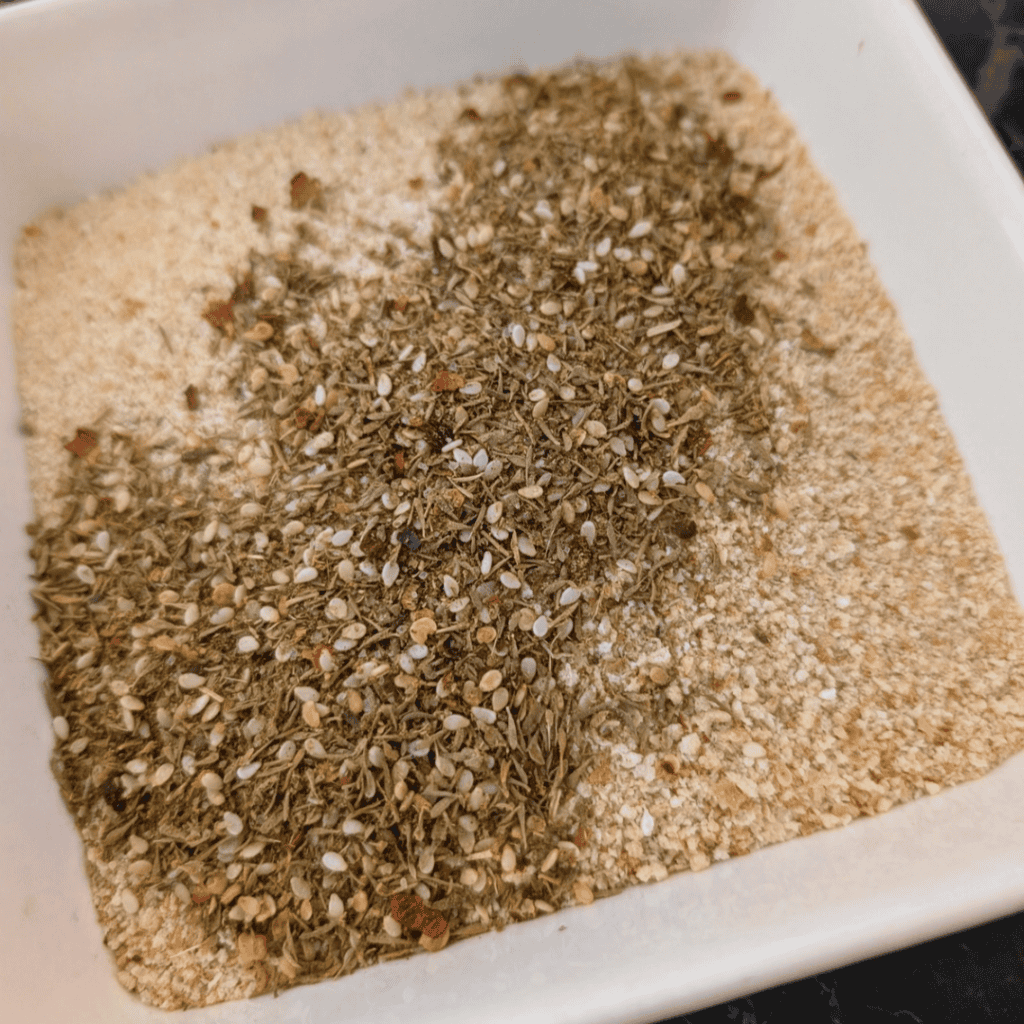
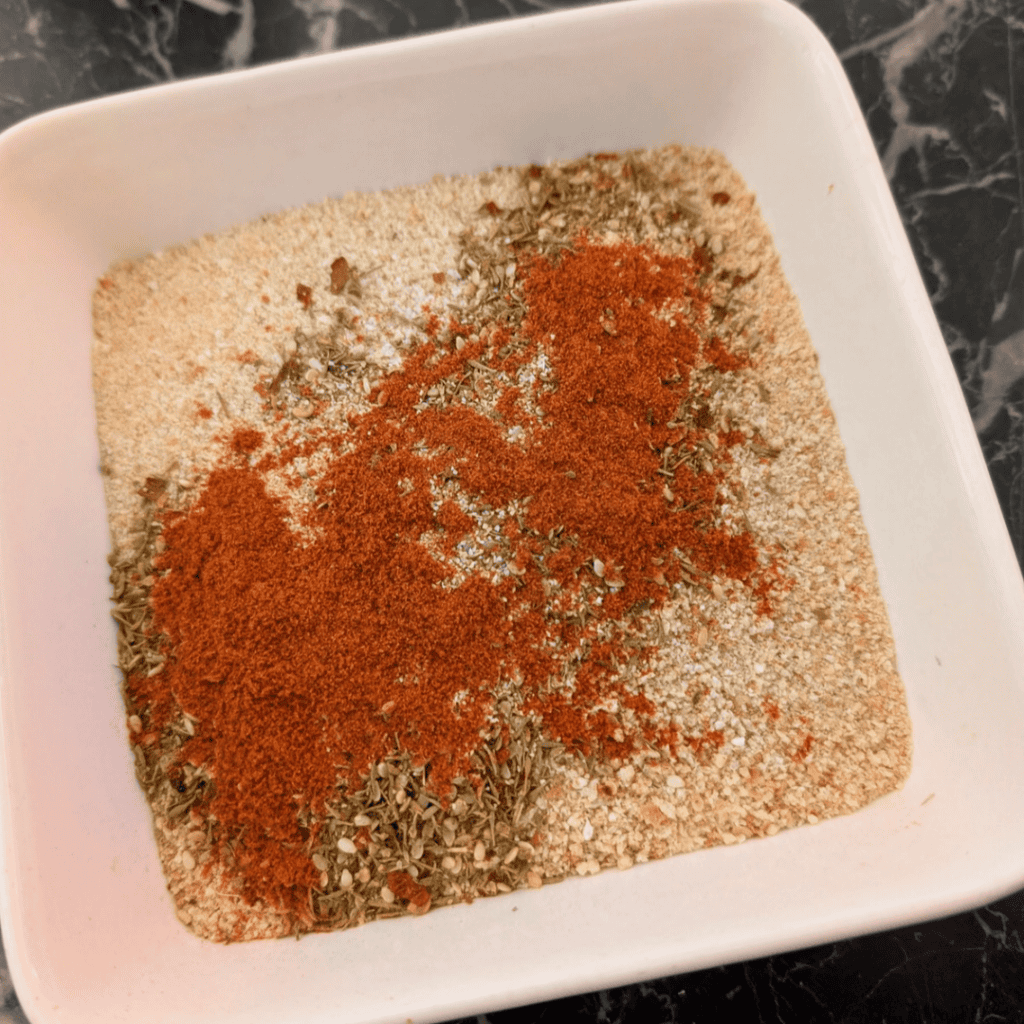
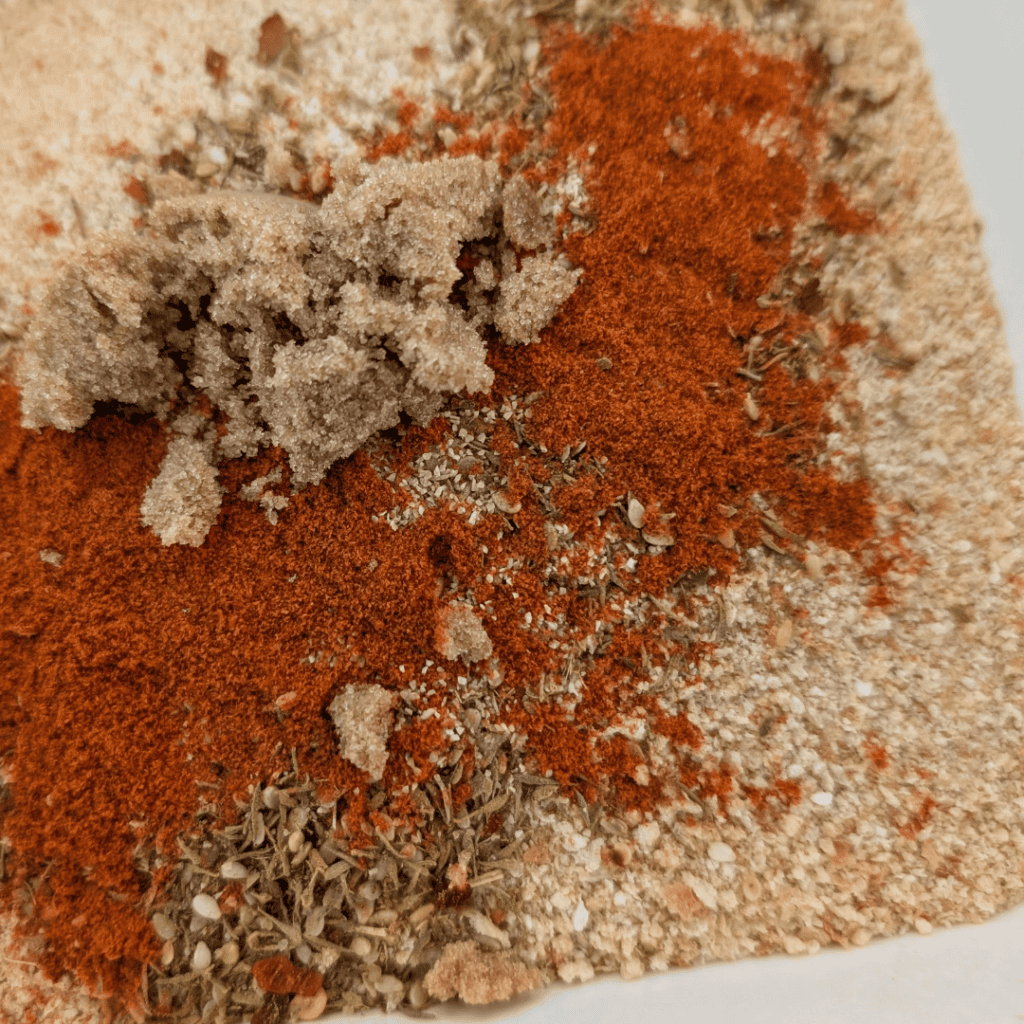
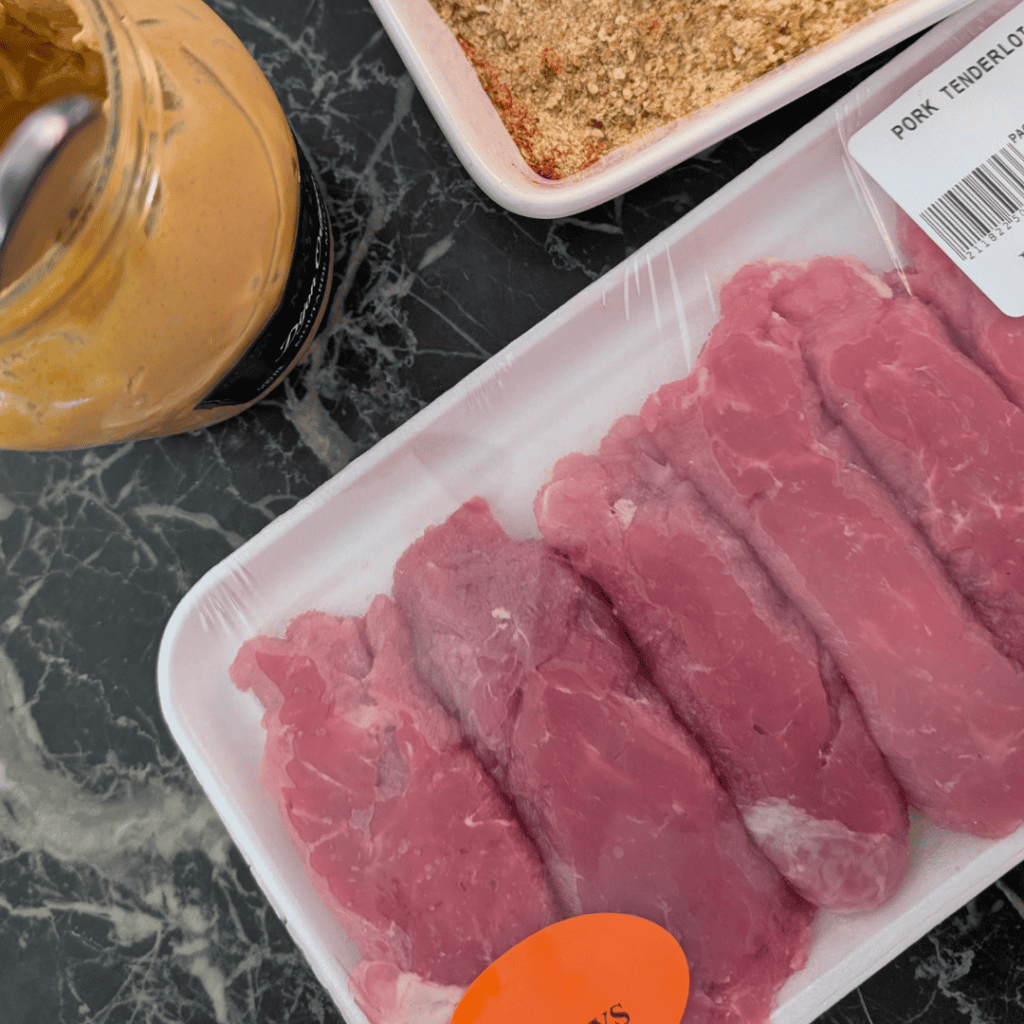
Spoon some Dijon mustard into a small dish and grab your pastry brush. Brush the outside of each pork tenderloin roll generously with mustard. You don’t want it dripping off, but don’t be shy with it either. The mustard is what helps all those seasoned breadcrumbs stick to the pork. I like putting some in a separate dish so I’m not dipping a brush that’s touched raw meat back into the mustard jar.
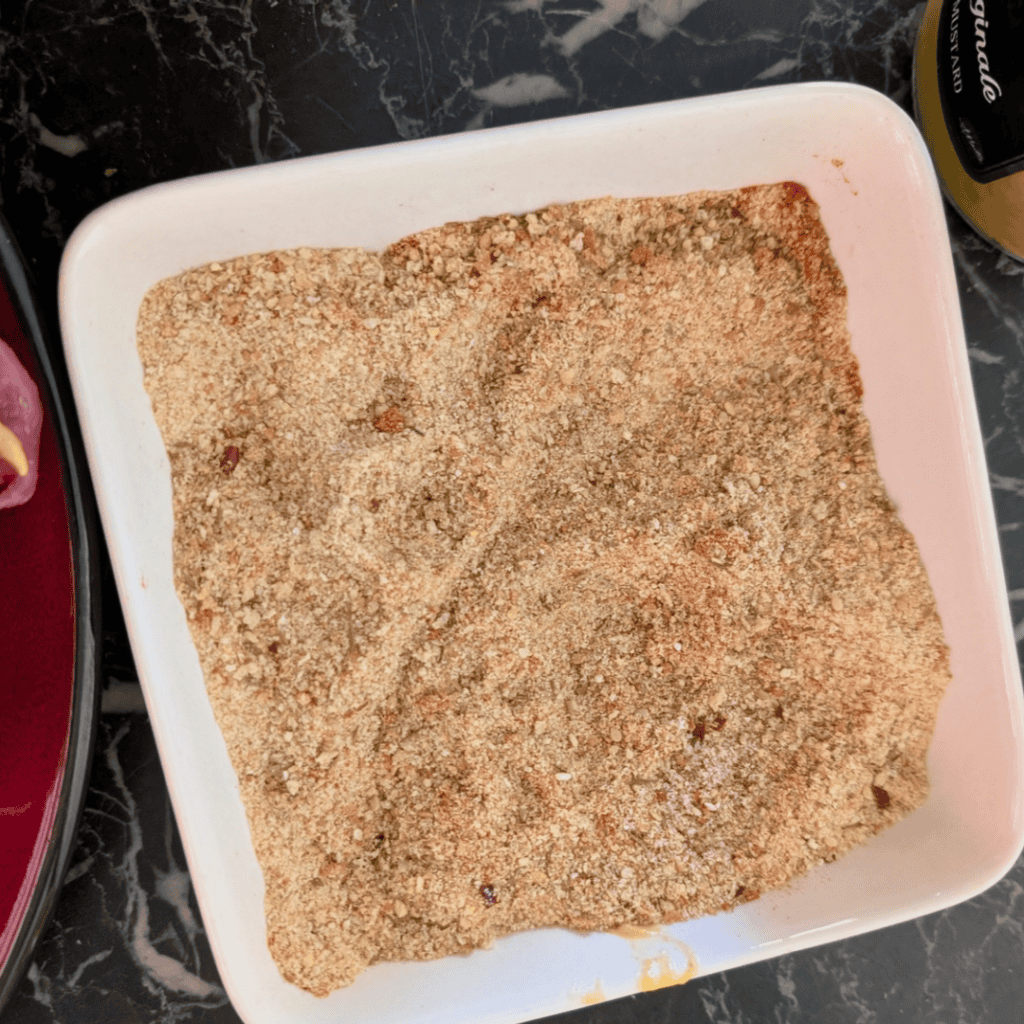
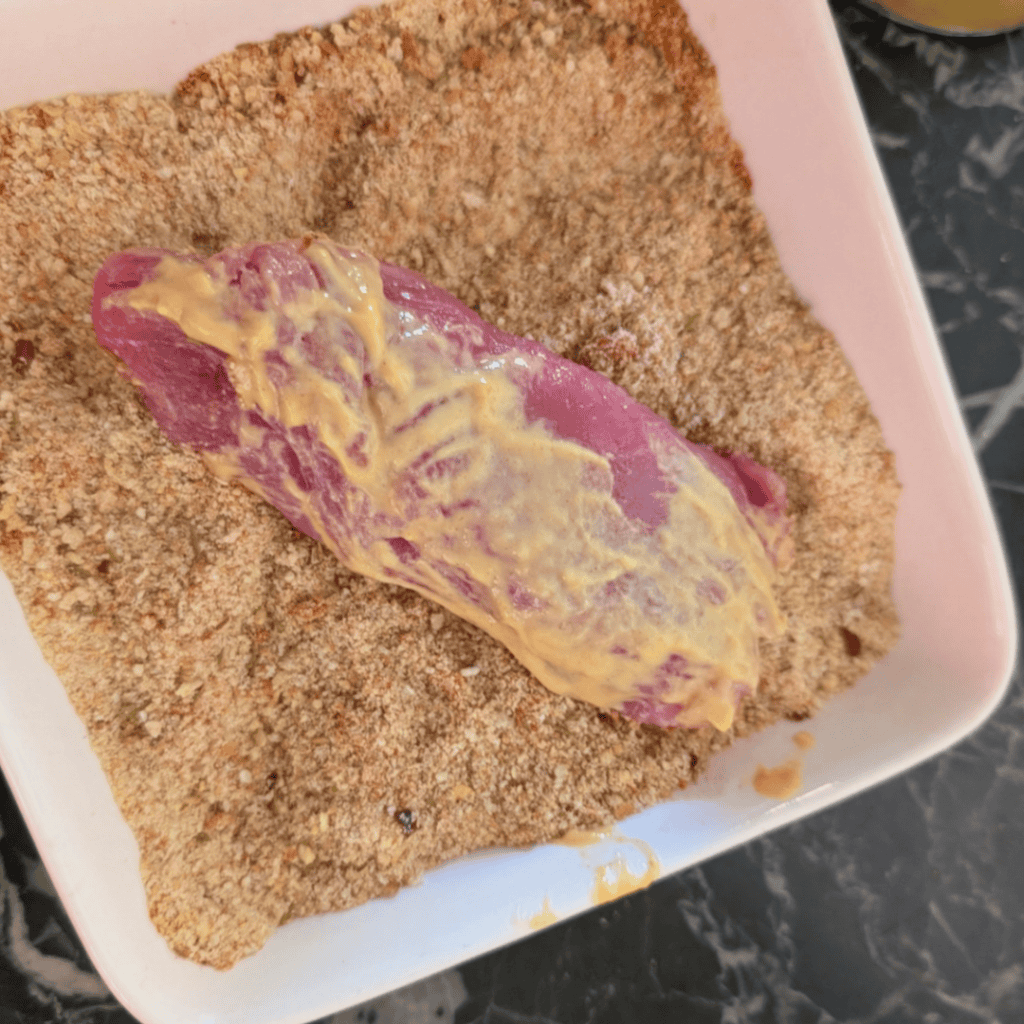
Place each mustard-coated pork roll into the seasoned breadcrumbs and gently roll it around until the outside is completely covered. Press the crumbs on lightly to help them stick, making sure you get the sides too. Repeat until all your pork pieces have a nice coating.
Add four tablespoons of cooking oil to a large frying pan and heat it over medium-low to medium heat. Once the oil is hot, carefully place the breaded pork into the pan, leaving a little room between the pieces. The breadcrumbs are going to soak up some of that oil as they cook, so don’t be tempted to cut back too much. Let the pork brown gradually, turning the pieces every so often so the coating cooks evenly. If you notice the breadcrumbs getting dark too quickly, turn the heat down a little.
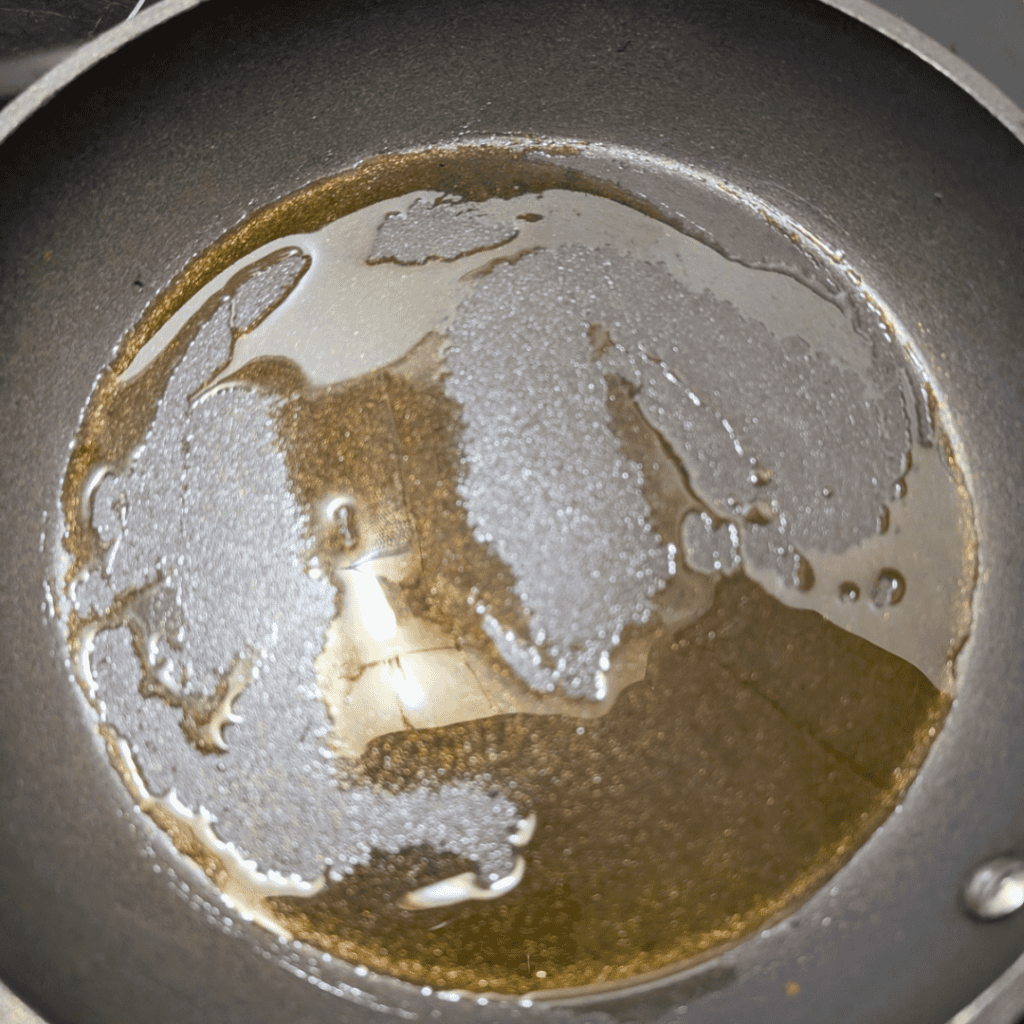
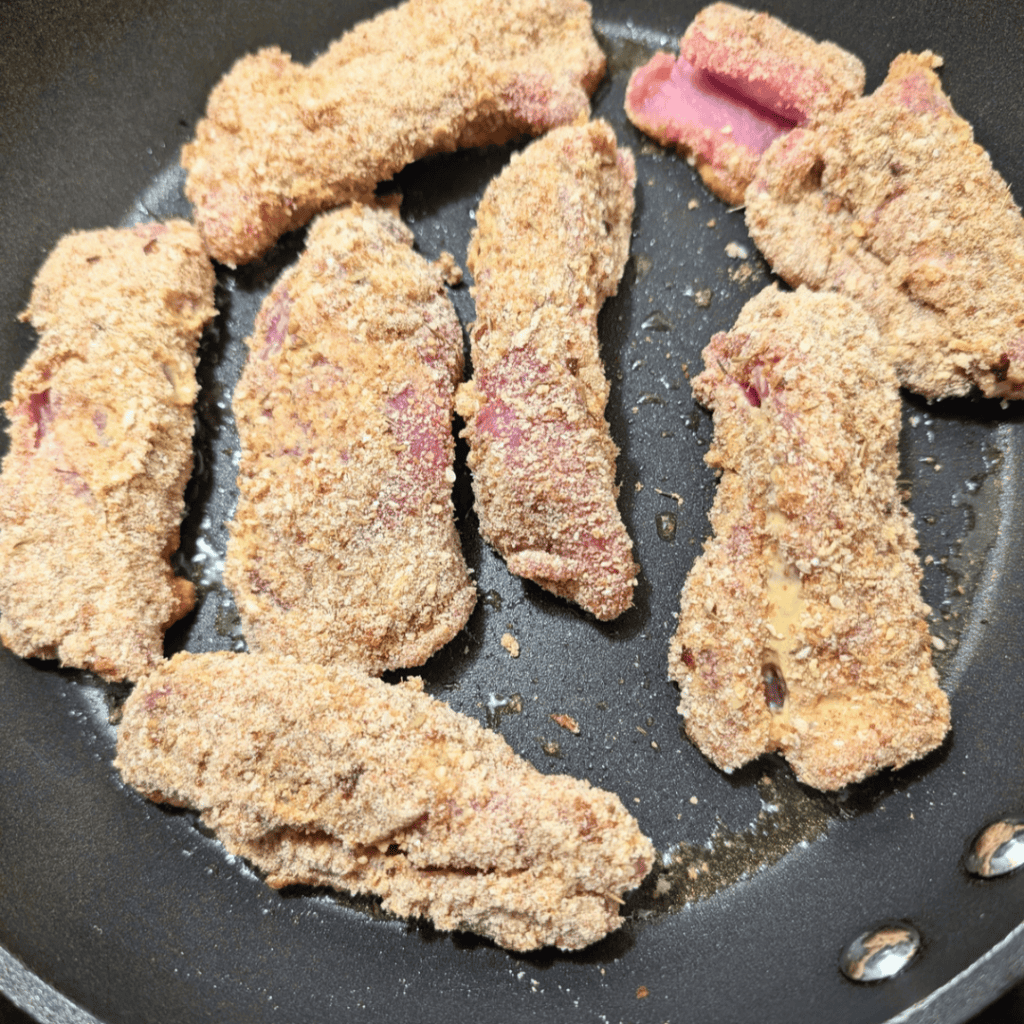
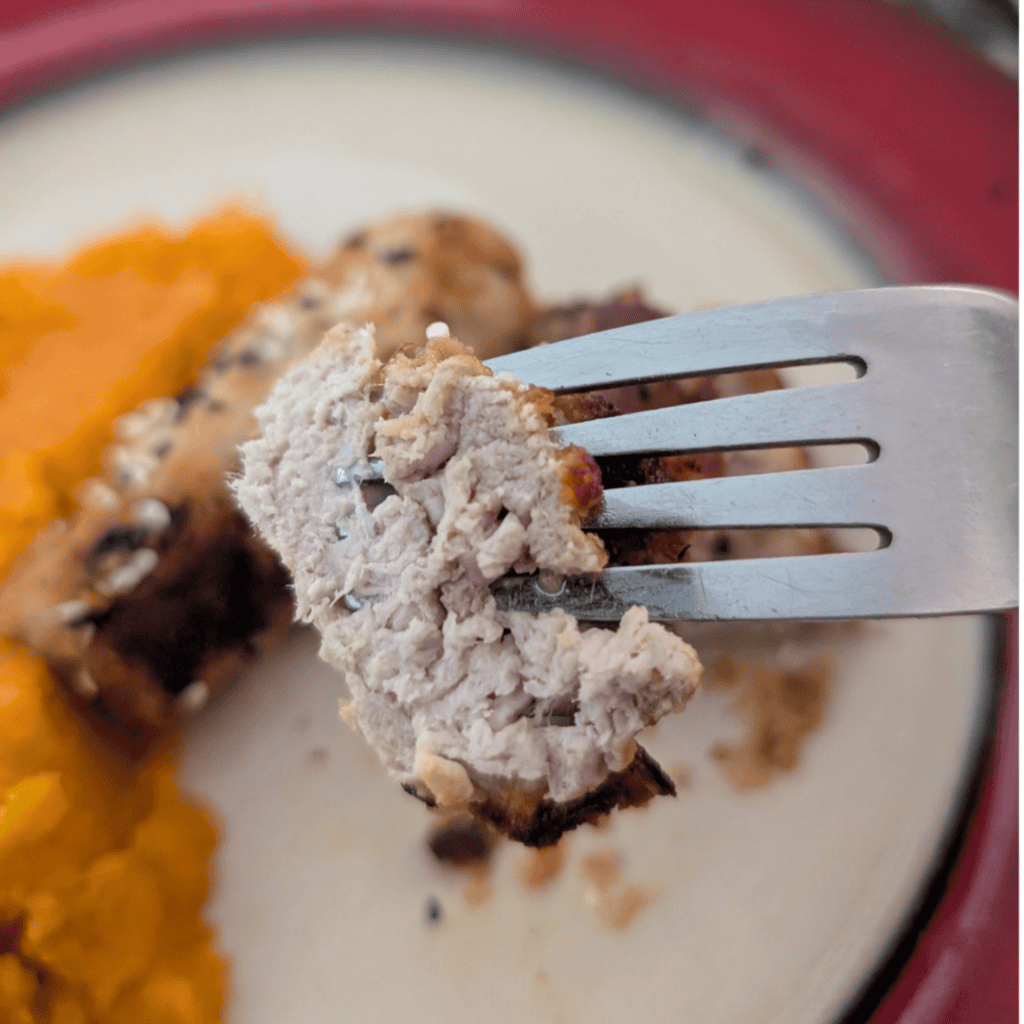
My rolled pork tenderloin pieces took about 20 minutes to cook, but yours may take a little more or less time depending on how thick they are. Use a meat thermometer to check the thickest part of the pork. You’re looking for an internal temperature of 145°F (63°C). Once they’re done, remove them from the frying pan and let them rest for at least three minutes before serving.
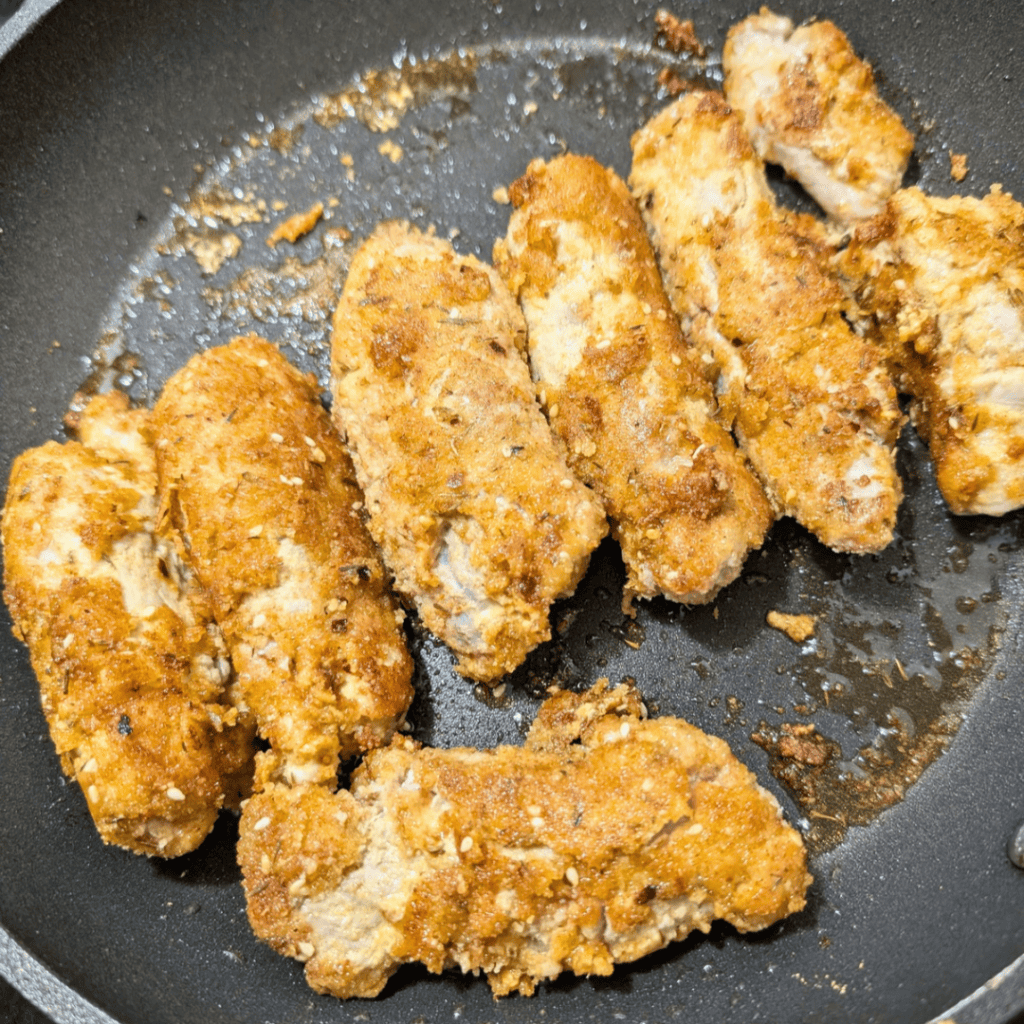
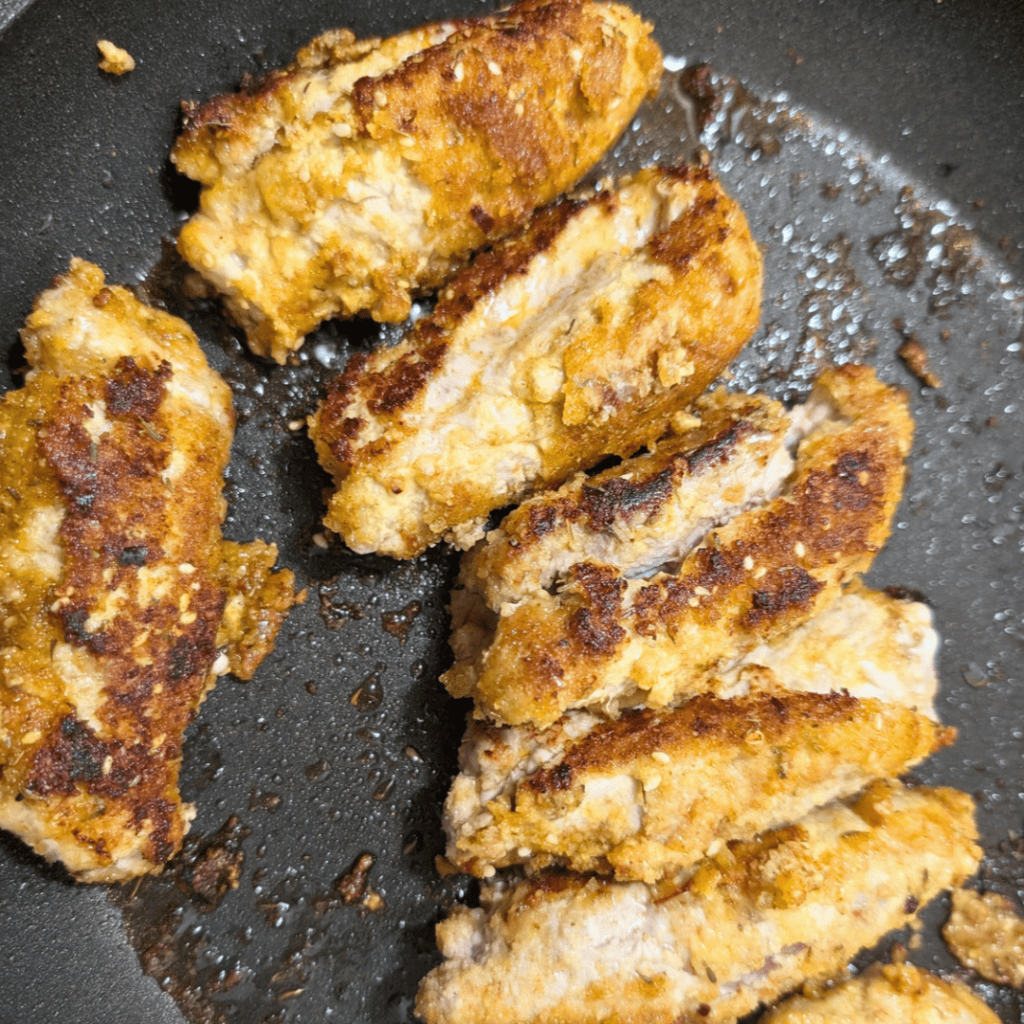
I finished mine with a sprinkle of white and black sesame seeds, just to dress them up a little. That’s completely optional, but I thought they looked lovely against the golden breadcrumb coating. Serve the pork while it’s still warm and the outside is nice and crispy.
Ingredients for Herb Crusted Pork Tenderloin
This recipe uses a few pantry spices, plain breadcrumbs, and Dijon mustard to make a seasoned coating for the pork.
Pork Tenderloin: I used approximately one pound of small, rolled pork tenderloin pieces that I found at the grocery store. If you can’t find them, look for a regular pork tenderloin. Choose one that you can cut into smaller portions for coating and frying.
Plain Breadcrumbs: Half a cup of plain breadcrumbs gives the pork its crispy exterior. I prefer plain breadcrumbs here because I’m adding quite a bit of seasoning myself, and I don’t want the flavours competing.
Za’atar Seasoning: Two tablespoons give the coating its tangy, earthy flavour. Check your seasoning blend for added salt, since the ingredients can vary between brands.
Paprika: One tablespoon adds colour and flavour to the breadcrumb mixture. I used regular paprika for this recipe.
Garlic Powder: One teaspoon mixes evenly into the breadcrumbs and adds garlic flavour without introducing extra moisture.
Brown Sugar: One teaspoon balances some of the tanginess from the mustard and za’atar. It also encourages browning, so keep an eye on the heat while the pork is cooking.
Salt: Add a little to the breadcrumb mixture, keeping in mind that your za’atar seasoning may already contain salt.
Dijon Mustard: I used approximately two tablespoons to coat the outside of the pork. I like putting extra mustard in a separate dish so I can dip my pastry brush into it without contaminating the jar. Brush it on generously so the breadcrumbs have something to stick to.
Cooking Oil: You’ll need about four tablespoons for pan-frying. The breadcrumbs absorb oil as they cook, so this is one recipe where you don’t want to start with just a teaspoon in the pan.
White and Black Sesame Seeds: These are completely optional. I sprinkled them over the cooked pork for presentation because I liked how they looked against the golden coating.
Substitutions and Add-Ins for Herb Crusted Pork Tenderloin
There is some flexibility with the pork and seasonings, although changing the breadcrumb coating or cooking method may affect how the recipe turns out. The original recipe was made with rolled pork tenderloin pieces.
Pork Tenderloin: If you can’t find the rolled pieces I used, you can slice a regular pork tenderloin lengthwise into thin strips and roll them yourself. You can also cut the tenderloin into medallions. Both alternatives will need their cooking times adjusted according to thickness. I haven’t tested these alternatives with this exact coating.
Plain Breadcrumbs: Panko breadcrumbs are another option, although their larger flakes will give the coating a different texture and may not cling as evenly to the rolled pork. I haven’t tested them in this recipe.
Za’atar Seasoning: Different brands of za’atar can be used, but the amount of sumac, herbs, sesame seeds, and salt may vary. A different blend can change the flavour quite noticeably. I would keep za’atar as the main seasoning rather than replacing it with an unrelated herb blend.
Paprika: Smoked paprika can be used if you prefer a smoky flavour, but it will change the taste of the coating. Sweet paprika is a closer option if your regular paprika is unavailable.
Garlic Powder: Granulated garlic is a reasonable alternative. Fresh minced garlic isn’t my first choice for this coating because it introduces moisture and can burn while the breadcrumbs are frying.
Brown Sugar: You can leave out the teaspoon of brown sugar if you prefer not to add sweetness. The coating will still contain the same herbs and spices, although its flavour and browning may change slightly.
Salt: Adjust the amount according to the za’atar blend you’re using. If your seasoning already contains salt, you may need very little additional salt.
Dijon Mustard: I recommend keeping the Dijon because it helps the breadcrumb mixture adhere to the pork. Other mustards may change the flavour and texture of the coating, and I haven’t tested them here.
Cooking Oil: A neutral cooking oil suitable for pan-frying is a good choice. Canola or vegetable oil would work. Butter isn’t a direct replacement I’d recommend because the breadcrumb coating needs time to brown while the pork cooks through.
White and Black Sesame Seeds: You can use either colour on its own or leave them off entirely. They’re only added after cooking, so omitting them won’t change how the pork is prepared. If you prefer cutting your tenderloin into medallions instead of making rolls, I also have a recipe for easy fried pork medallions with Parmesan breading. It’s another way to give smaller portions of pork a seasoned coating before frying.
Expert Tips for Herb Crusted Pork Tenderloin
Tip #1: Use Enough Oil: Don’t skimp on the cooking oil for this recipe. The breadcrumbs absorb quite a bit as they fry, which is why I used four tablespoons. You want enough oil in the pan for the coating to brown evenly without drying out or sticking.
Tip #2: Keep the Heat Moderate: The breadcrumb mixture contains paprika and a little brown sugar, so it can darken quickly. Keep your frying pan over medium-low to medium heat. If you notice the coating getting too brown before the pork is cooked, turn the heat down a little.
Tip #3: Be Generous with the Dijon: Brush the mustard over the entire outside of each pork roll, including the sides. You don’t want it dripping, but you do need a good coating to help the breadcrumbs stick. Gently press the seasoned crumbs onto the pork rather than just sprinkling them over the top.
Tip #4: Check the Pork with a Thermometer: My rolled pieces took approximately 20 minutes, but cooking time will depend on their thickness. Check the center of the thickest piece with an instant-read thermometer. Once it reaches 145°F (63°C), remove the pork from the pan and let it rest for at least three minutes.
Serving Suggestions
The za’atar breadcrumb coating has plenty of flavour, so I would keep the sides fairly simple. Mashed potatoes, rice, or steamed green beans would all work well without competing with the seasoning. I like keeping the sides fairly simple when the pork has a strongly seasoned coating. My oven roasted cubed potatoes are one option, or you could make parsnip and potato chunky mash for something a little different.
If you want some vegetables alongside the pork, my Mediterranean roasted vegetables with pearl couscous would make a nice accompaniment. For a lighter side, try this tomato cucumber salad with fresh basil.
Storing and Reheating Leftovers
Refrigerator: Allow any leftover pork to cool slightly, then place it in an airtight container and refrigerate within two hours of cooking. Store for up to three to four days. The breadcrumb coating will soften somewhat in the refrigerator.
Reheating: Warm the pork gently in a lightly oiled frying pan, turning carefully to keep the coating in place. Reheat until the center reaches 165°F (74°C). Avoid using high heat, which can burn the breadcrumbs before the pork is heated through.
Make Ahead: You can mix the dry breadcrumb coating ahead of time and keep it in a sealed container until you’re ready to cook. I would wait until cooking time to brush the pork with mustard and add the breadcrumbs so the coating doesn’t become damp.
Freezing: I haven’t tested freezing this finished recipe, so I can’t say how well the breadcrumb coating will hold up after thawing and reheating.
FAQ
Final Thoughts
This herb crusted pork tenderloin is a nice change from the usual roasted pork dinner. The Dijon mustard holds the seasoned breadcrumbs in place, while the za’atar adds a little tanginess that works well with the pork. Just remember to keep the heat moderate and use enough oil so the coating browns without burning.
Have you cooked with za’atar seasoning before, or is this a new spice blend for your kitchen?
Herb Crusted Pork Tenderloin with Dijon and Za’atar

Equipment
- Frying Pan
- Basting Brush
- Small Plate
- Plate
- Tablespoon
- Teaspoon
Ingredients
- 1 lb Rolled pork tenderloin pieces Approximately 454 g
- ½ Cup Plain breadcrumbs
- 2 Tbsps Za’atar seasoning
- 1 Tbsp Paprika
- 1 Tsp Garlic powder
- 1 Tsp Brown sugar
- ½ Tsp Salt
- 6 Tbsps Dijon mustard Basting with
- 4 Tbsps Cooking oil For pan-frying
- White and black sesame seeds Optional garnish
Instructions
- Mix the breadcrumbs, za’atar seasoning, paprika, garlic powder, brown sugar, and salt in a shallow bowl until evenly combined.½ Cup Plain breadcrumbs, 2 Tbsps Za’atar seasoning, 1 Tbsp Paprika , 1 Tsp Garlic powder, 1 Tsp Brown sugar, ½ Tsp Salt
- Spoon Dijon mustard into a separate small dish. Use a pastry brush to generously coat the outside of each rolled pork tenderloin piece.6 Tbsps Dijon mustard
- Roll each mustard-coated piece in the seasoned breadcrumbs, pressing gently to coat all sides.1 lb Rolled pork tenderloin pieces
- Add four tablespoons of cooking oil to a large frying pan and warm over medium-low to medium heat.4 Tbsps Cooking oil
- Place the coated pork into the pan and cook for approximately 20 minutes, turning occasionally until the breadcrumbs are golden brown and the pork reaches an internal temperature of 145°F (63°C).
- Remove the pork from the pan and let it rest for at least three minutes. Sprinkle with white and black sesame seeds, if desired, and serve warm.White and black sesame seeds
Nutrition